
Erasmus accreditation (2024-2025)
ERASMUS+: Training courses for teaching staff
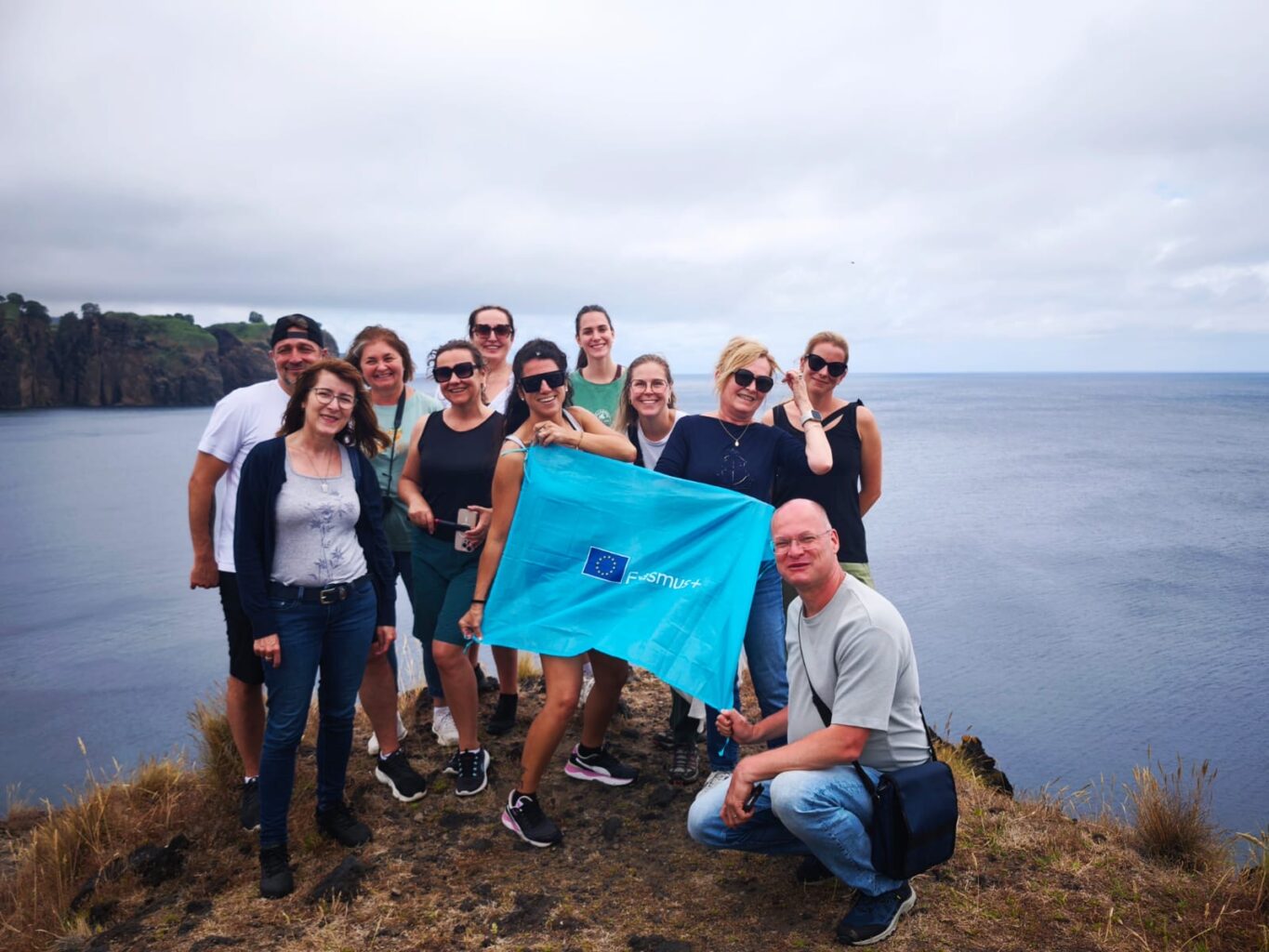
As part of the activities carried out during the first year of the Erasmus+ accreditation, teachers Cinzia Ostrouska and Martina Starec took part in training courses between July 13 and 18, 2025, in Dublin and Ponta Delgada respectively.
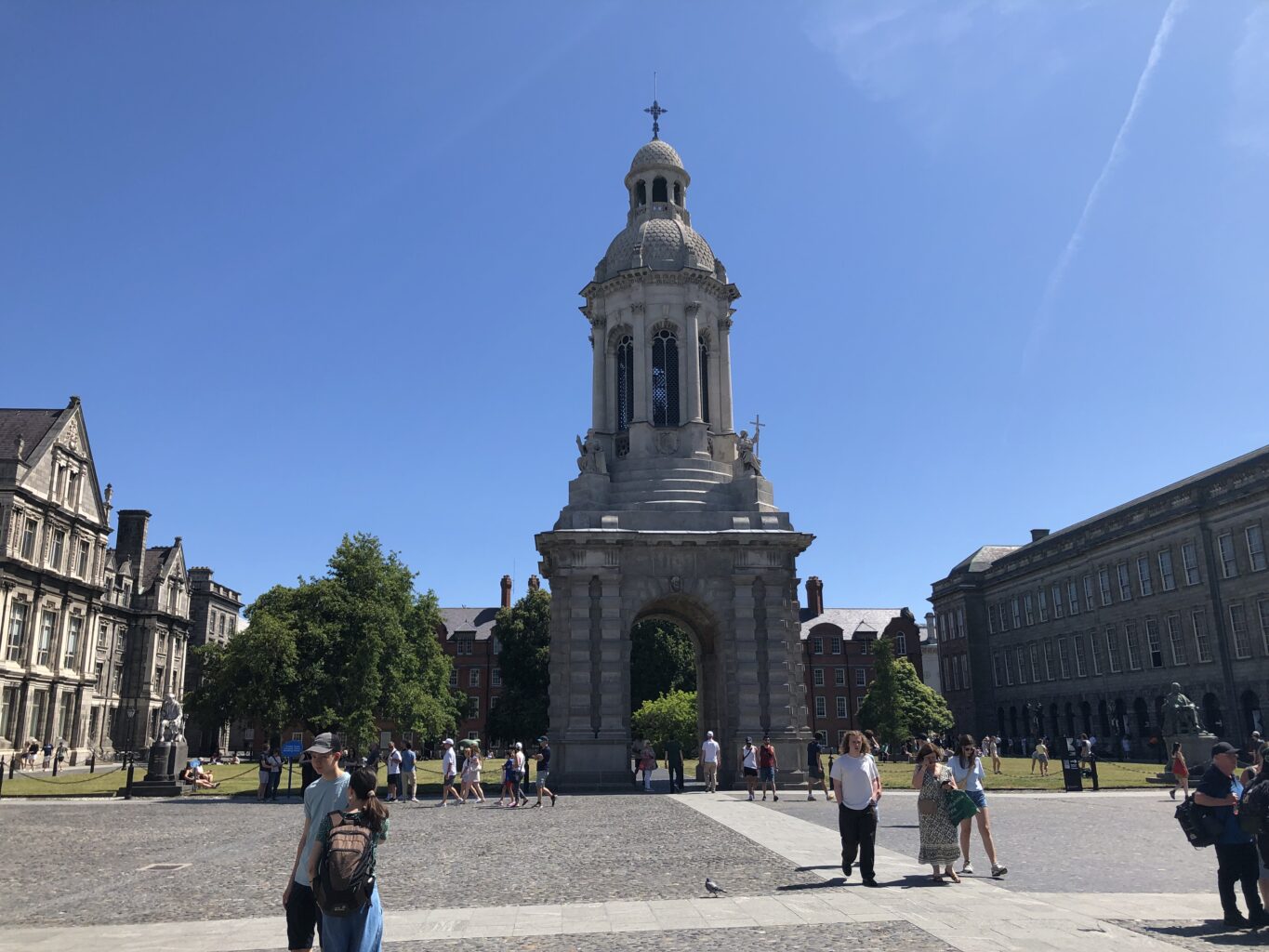
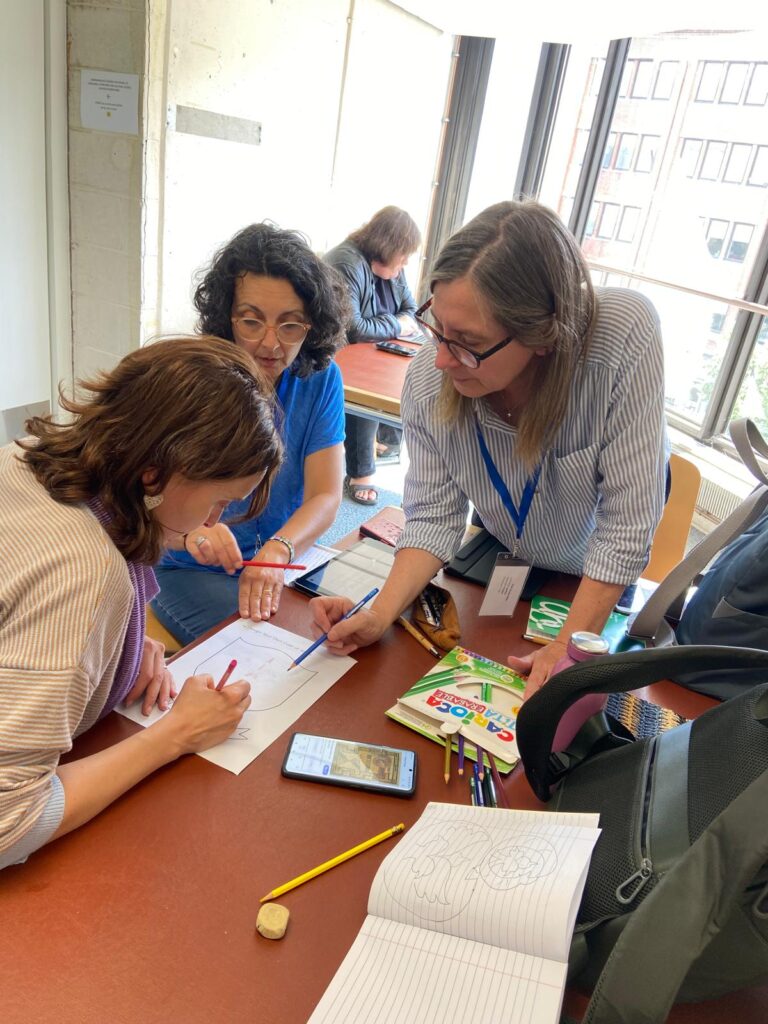
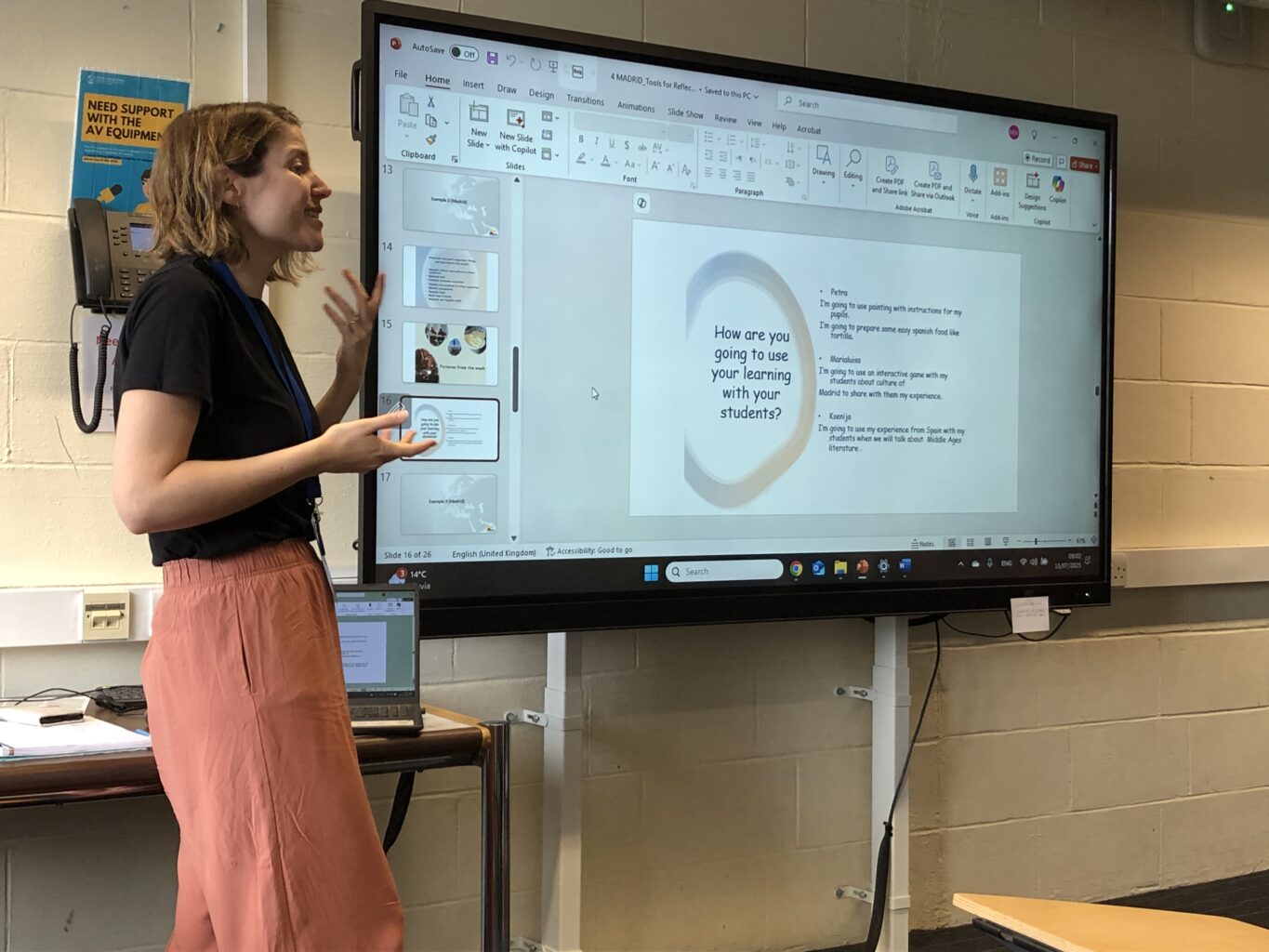
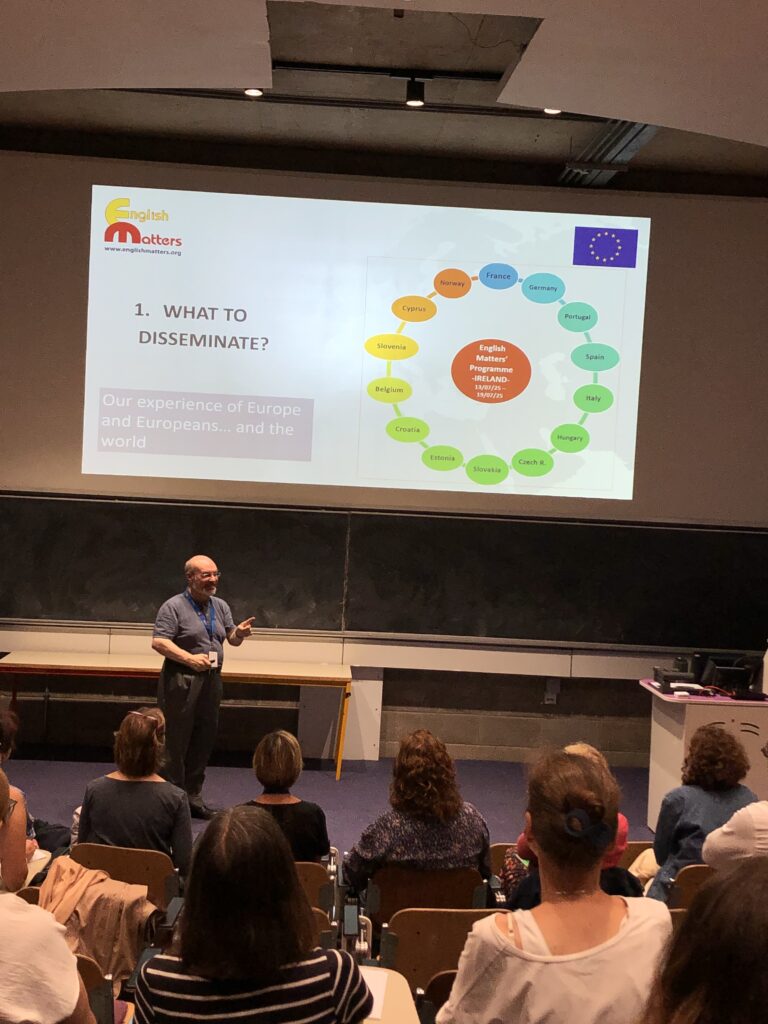
Teacher Cinzia Ostrouska attended the course Activate Your English for Teaching (B1+, B2), organized by the European programme English Matters at Trinity College in Dublin. The objectives of the course were to improve general language and communication skills in English and to learn about Irish history and culture.
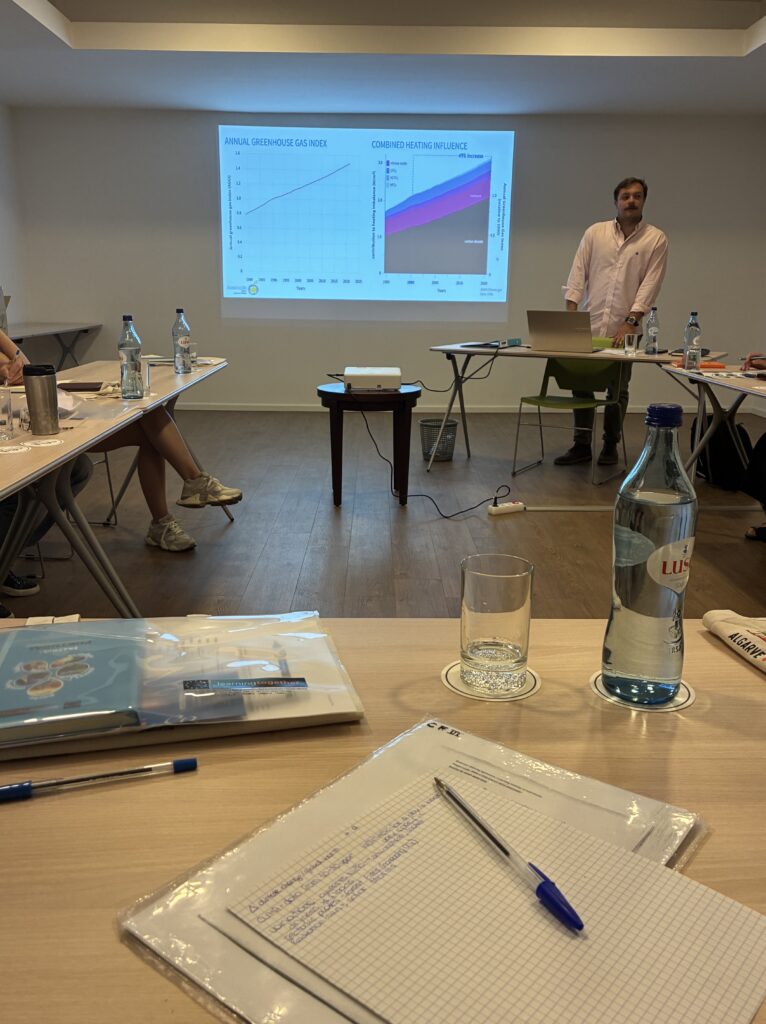
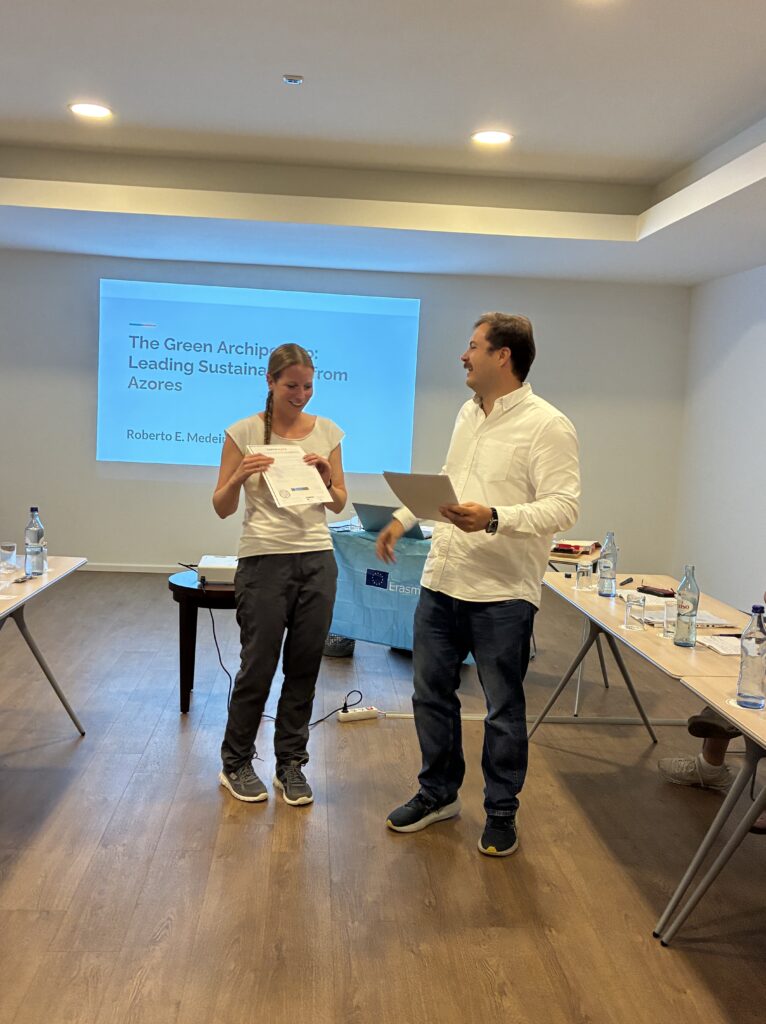
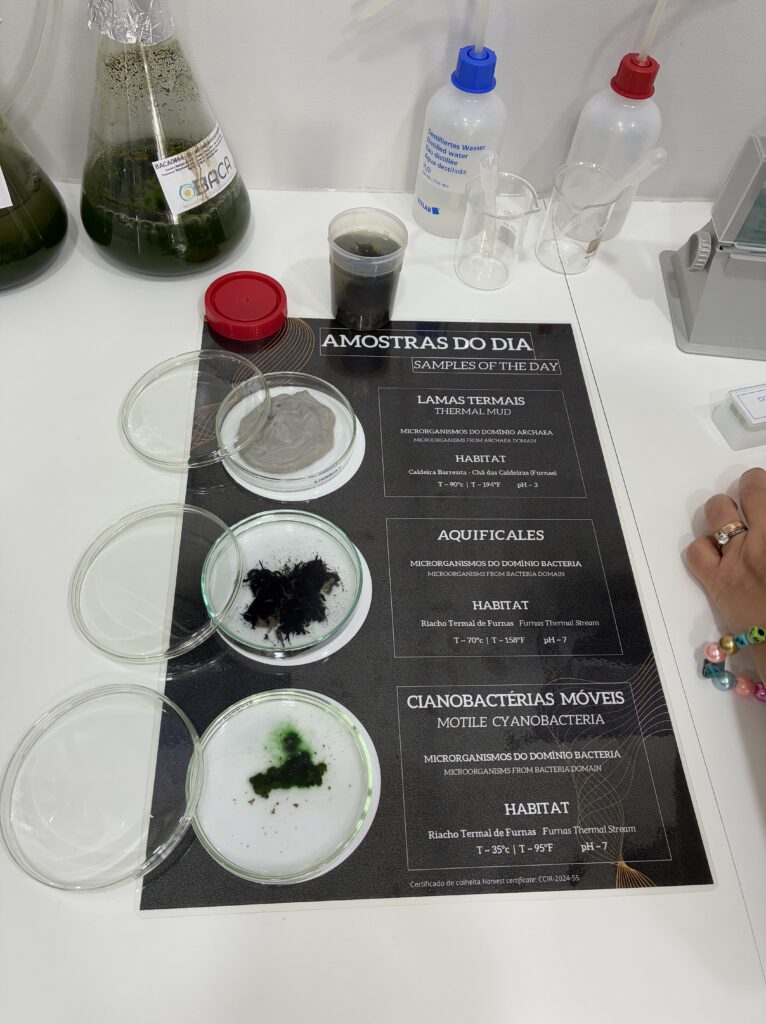
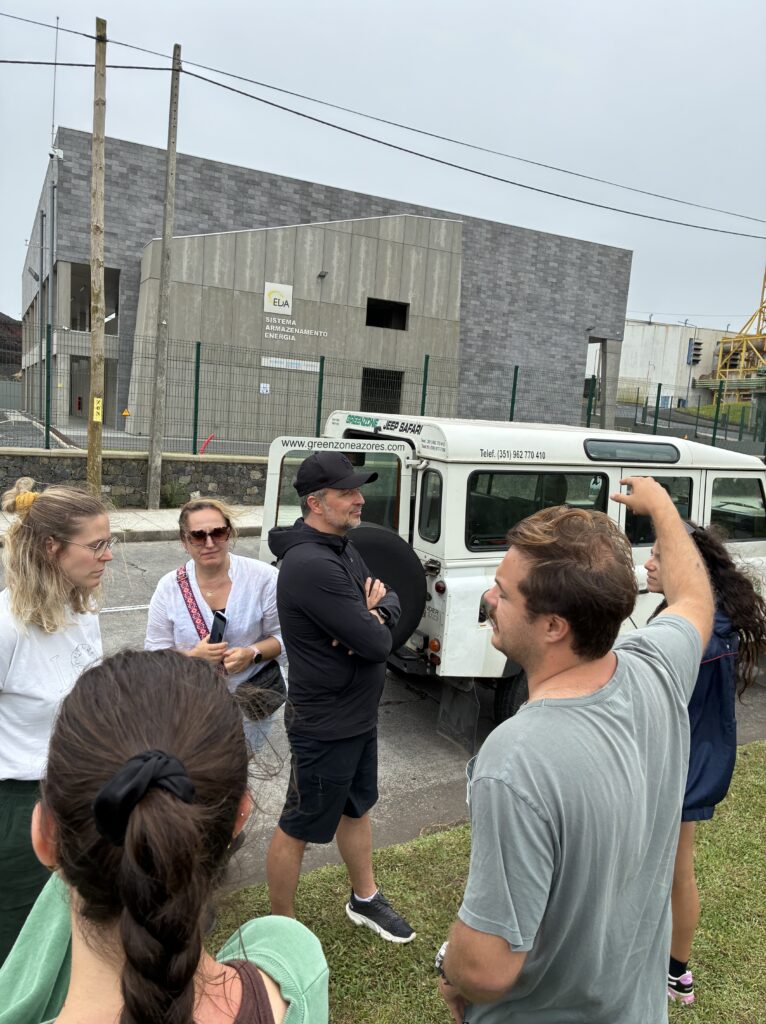
Teacher Martina Starec attended the course There is no Planet B, organized by Learning Together in the city of Ponta Delgada on the Azorean island of São Miguel. The main topics of the course were sustainability, ecology, and renewable energy.
All Erasmus+ project activities naturally focus on communication in English, learning about foreign cultures, and above all, fostering a sense of European community.
ERASMUS+: Individual mobility
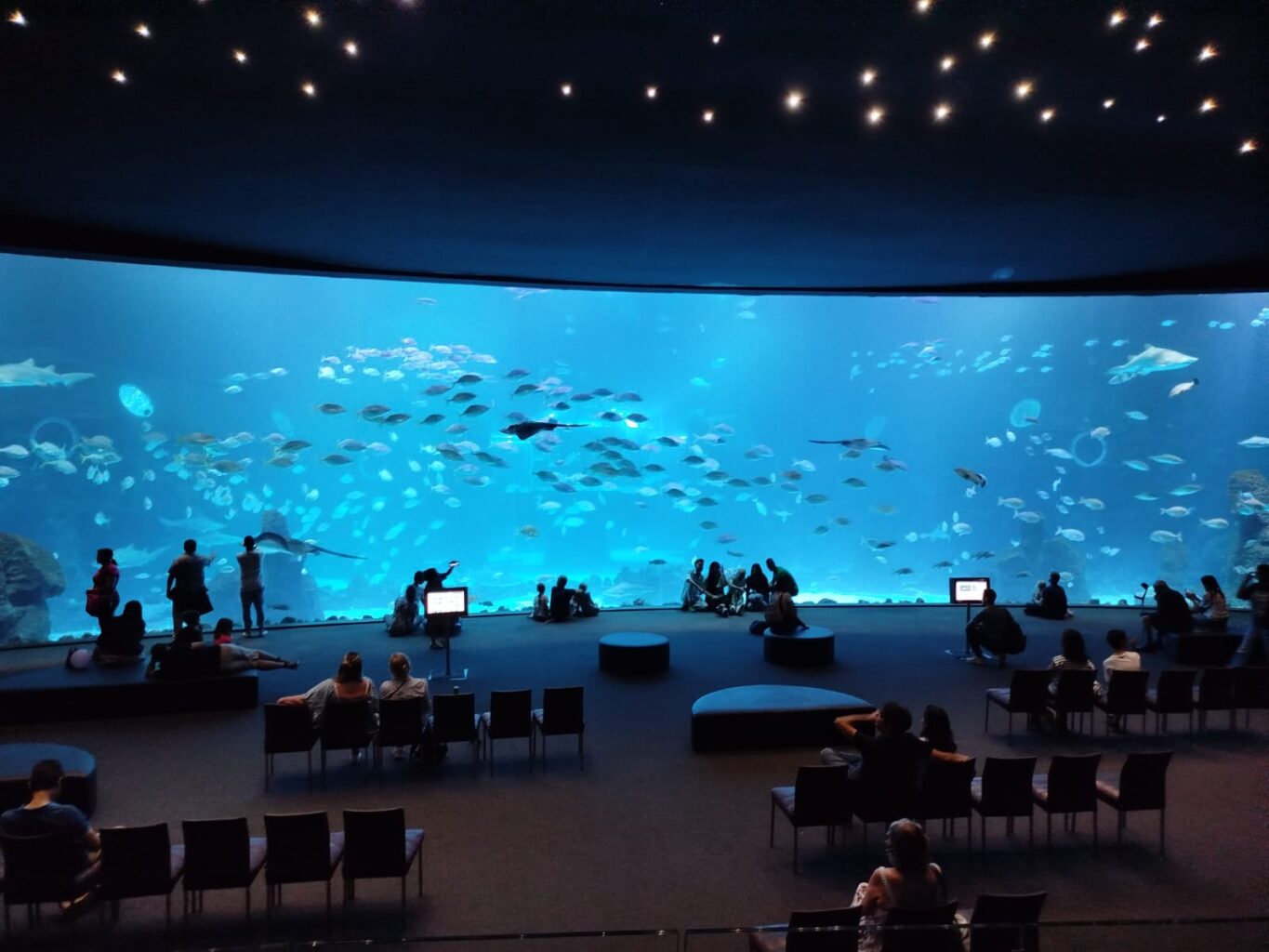
From 3 April 2025, 2 students from the Biochemistry and 2 students from the Electronic programme have started a 12-day individual mobility at the IES A.C. Pérez in Gran Canaria. The students will be individually involved in classes in the Health Sciences and Aquaculture Department and in the Telecommunications and Electronics Department. Their first day at the school was dedicated to getting to know how the school system works, familiarising themselves with the different school departments and meeting new classmates. They visited the marine biology department, which also houses a sanctuary for injured turtles run by the university.


At the weekend, students visited the old part of the city of Vegueta, Las Palmas, where they learned about the colonial past, visited Christopher Columbus’ house, the Cathedral of Santa Anna and the exotic market of the old city. They also learned about the rich pre-colonial history of the archaeological sites of the city of Galdar. On Sunday, they walked through the sand dunes of Maspalomas.
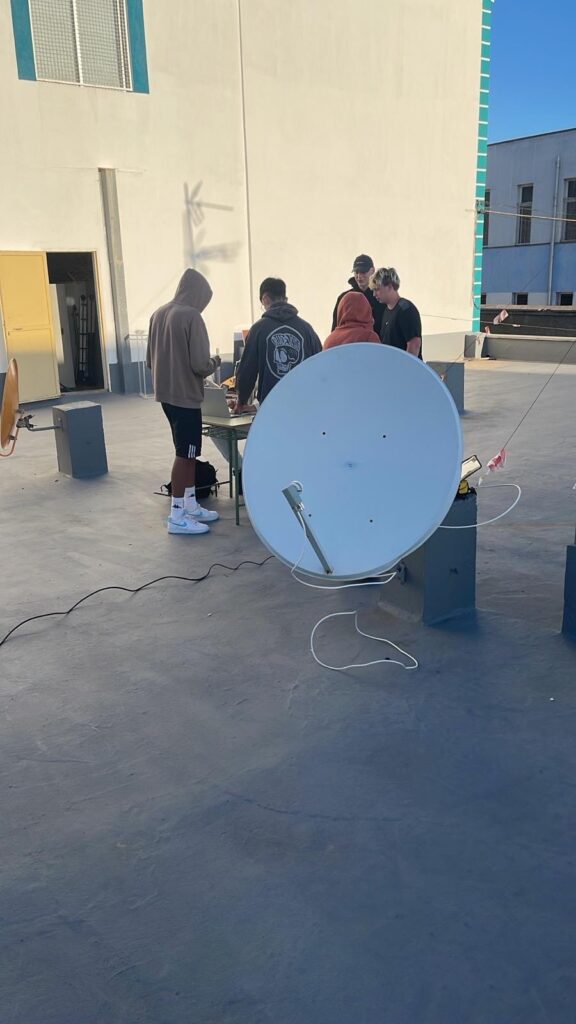
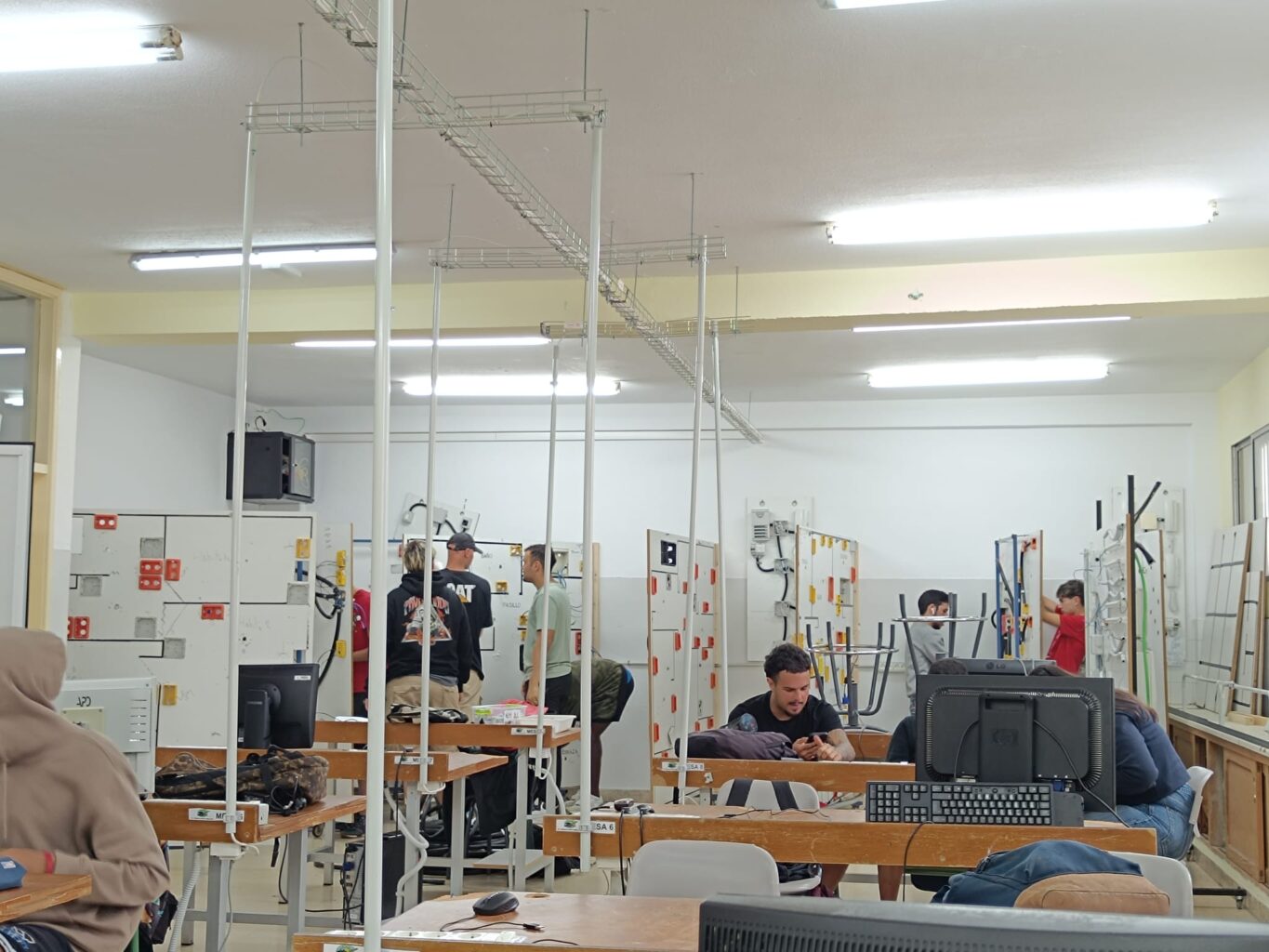
On Monday, students joined their classes, namely the electronics class, where they worked with the KNX SIMULATOR, assembling 3 network circuits and connecting them with switches and a circuit breaker, and in a laboratory where they checked signals with antennas. The biochemistry students went to the branch school department on the coast of Taliarte, where they took classes in aquaculture laboratories. Here they studied the food chain of farmed fish that feed on microorganisms such as rotifers, counted the presence of microorganisms in 1 ml, fed moray eels, crustaceans, octopuses and fish and recognized the white spot disease and the danger of spreading Ichthyophthirius multifiliis in all aquariums. The most exciting part was working with the loggerhead turtles. These turtles that can reach 160 kilograms are at risk of extinction. The students learned about the program that aims to reintroduce and preserve this important ocean turtle in Gran Canaria.


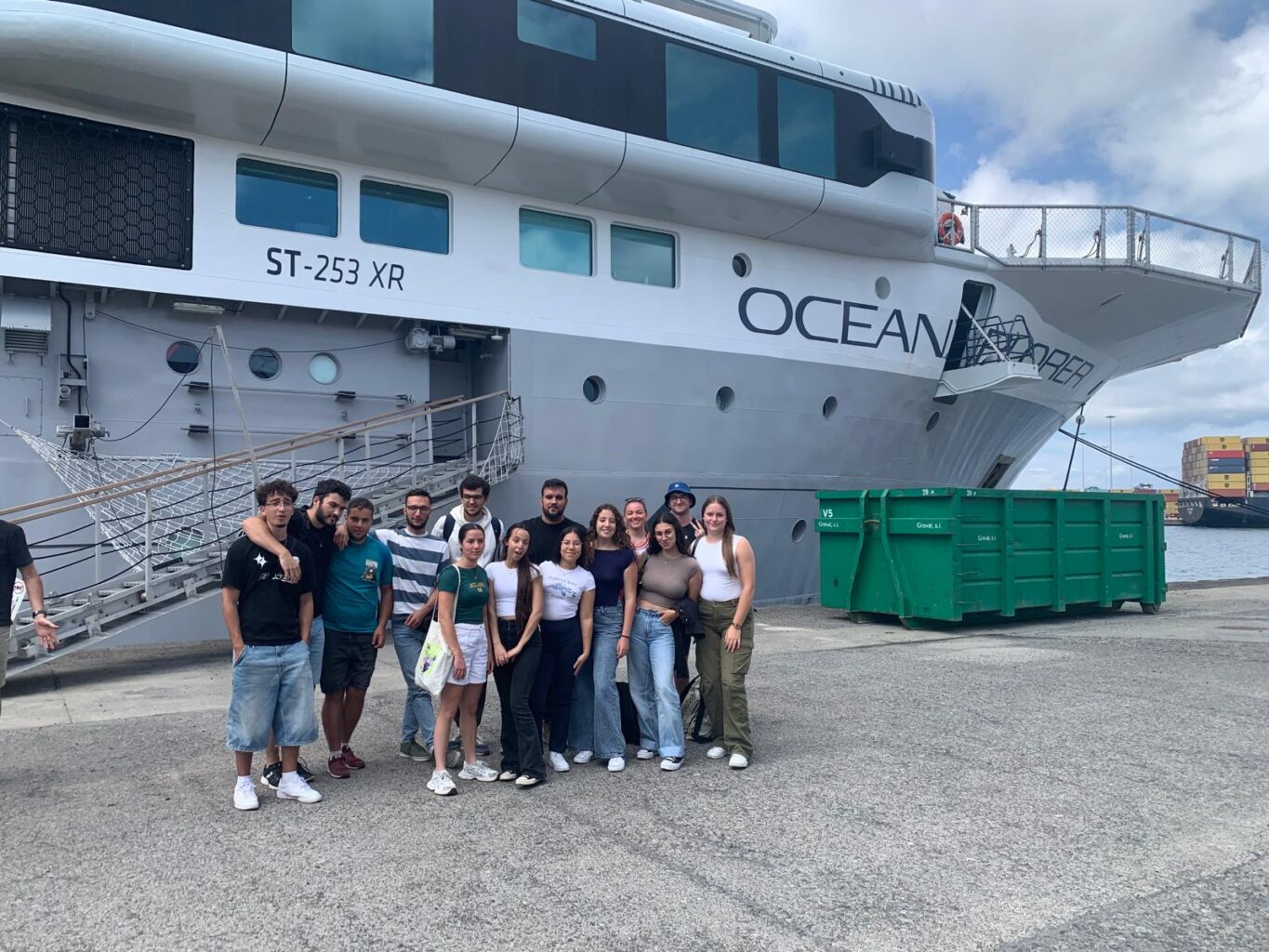
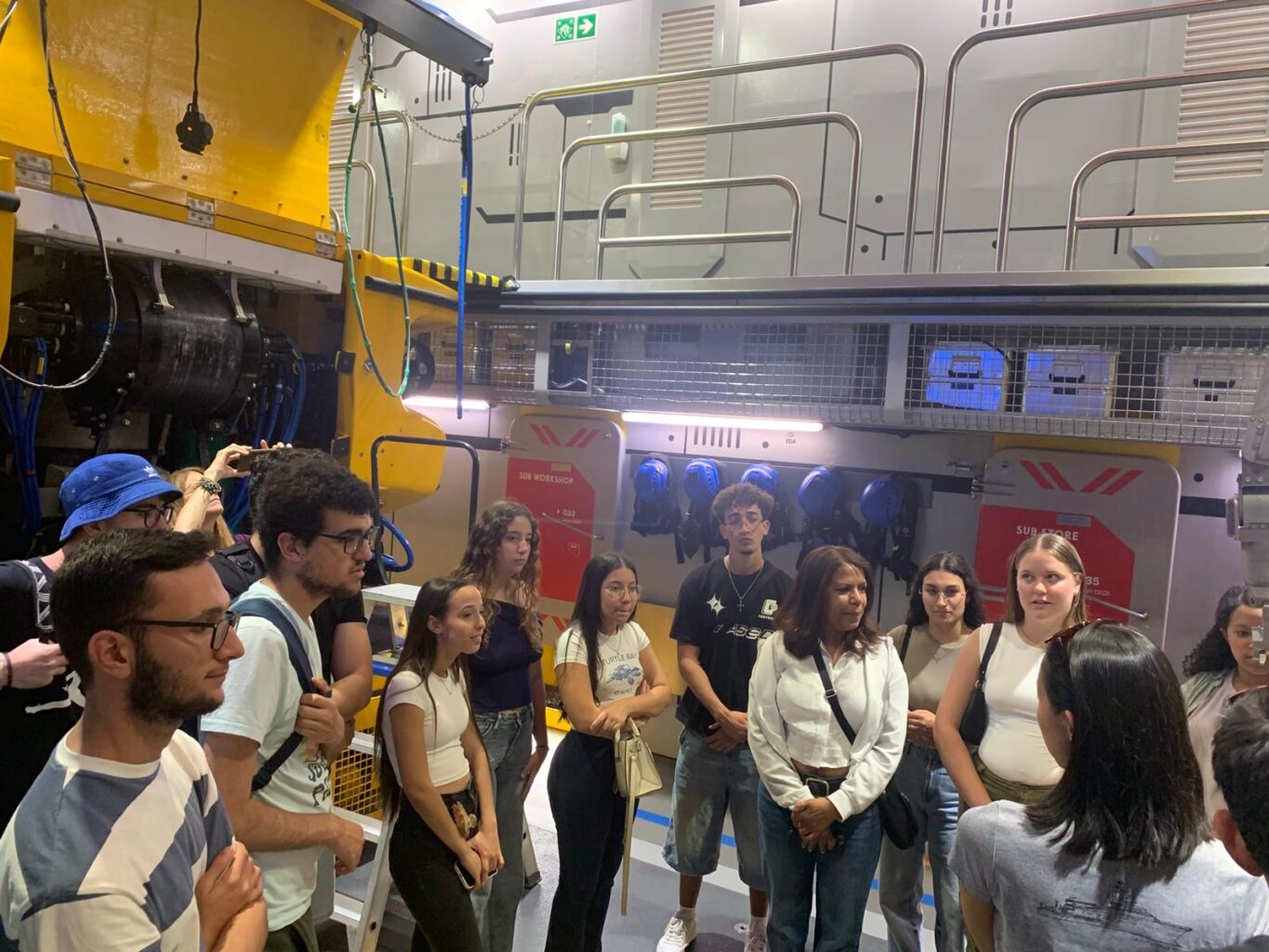
On Tuesday, the students of the biochemistry section together with the students of the aquaculture department had an extraordinary experience: they visited the research vessel OceaneXplorer, which is used to explore ocean depths up to 6,000 meters. They were introduced to the research laboratories, they discovered the functioning of submarines for seabed research and the hyperbaric chambers, which are absolutely necessary for the rapid regeneration of underwater researchers.Over the next few days, the students from the biochemistry department went to the Aquaculture Department where they measured water parameters, identified the characteristics of marine animals, their feeding cycle and even dissected a moraine. The most exciting part was working with the Caretta caretta turtle. The Stefan students learned about a programme that aims to reintroduce and conserve this important ocean turtle in Gran Canaria.
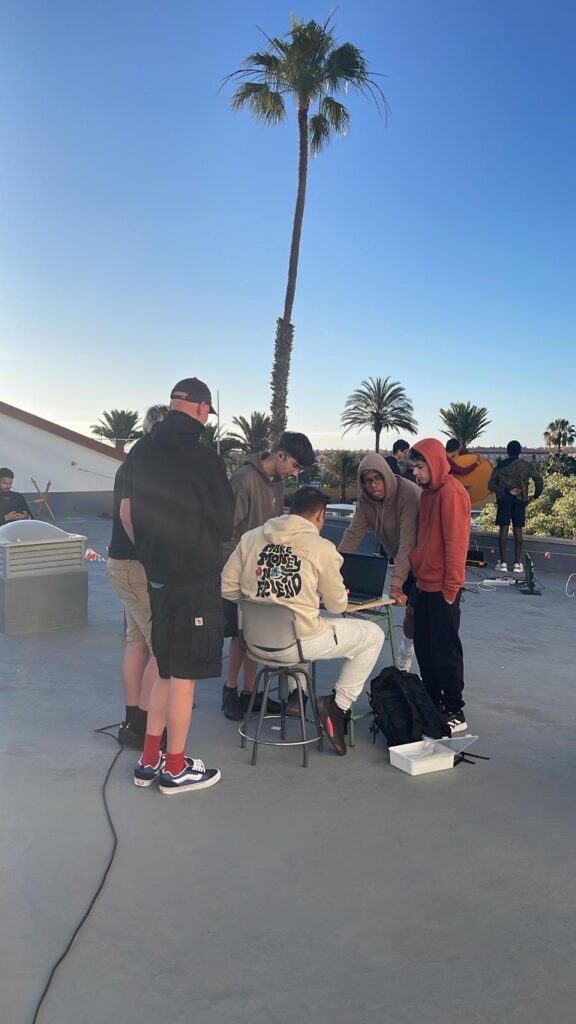
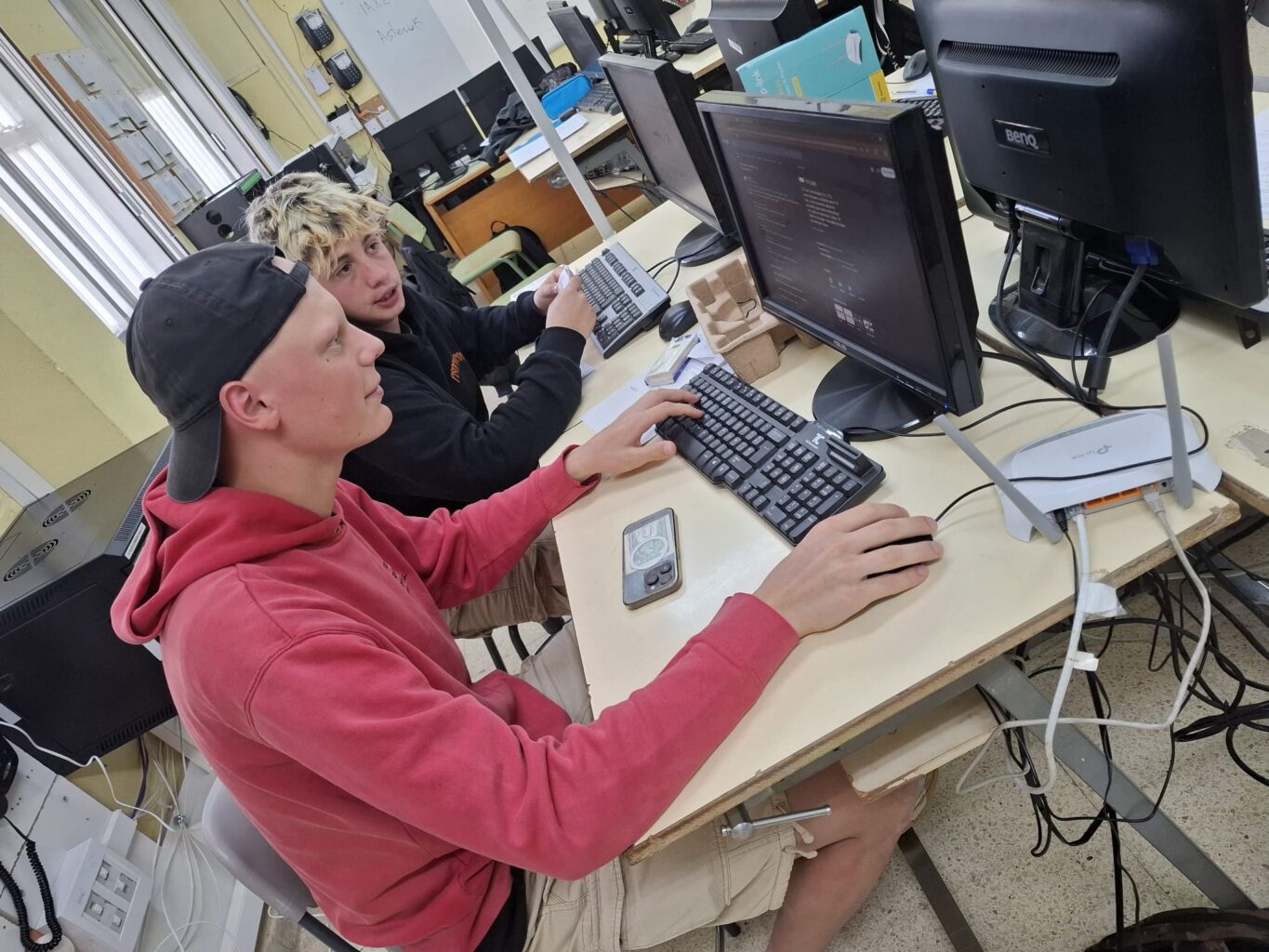
The students from the electronics department, on the other hand, actively participated in the telecommunications and electronics workshops. They made a connection between two telephones using the computer, learned about a new software used for telephone exchanges, Zoiper 5, tested the operation of transistors and designed electrical circuits using National Instruments’ Circuit Design Suite. In the following days, they participated in domotics, electrical wiring and computer workshops. They also learnt how fibre optics work and how to use a media converter.
Into the Woods: Forest and Waters
The students from class 4B who joined the Erasmus+ Mobility project left well before dawn on Monday 24th of March for Ljubljana, where they took a flight to Sweden. In the late afternoon they arrived in Örebro, where they were welcomed by their host families.
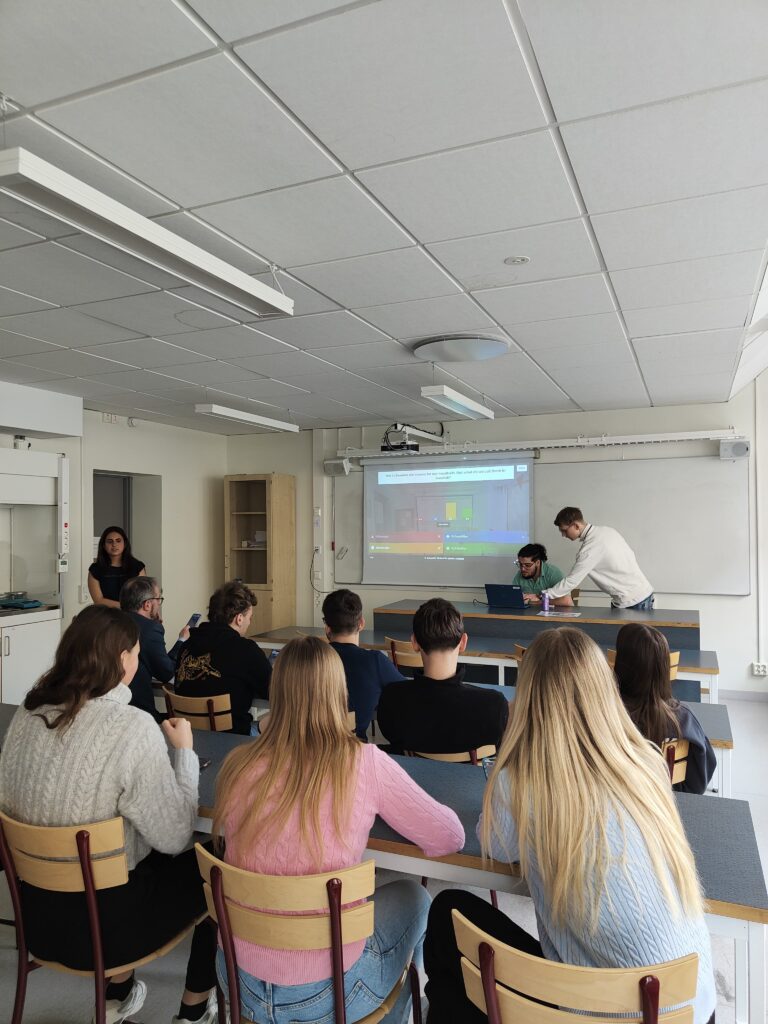
On Tuesday morning, the students from Rudbecksgymnasiet presented the program and introduced the theme: “Swedish Forest”. Immediately afterwards, our students were officially welcomed by the new headmaster of the school, Simon Ekdahl, who was extremely enthusiastic about the mobility exchange.
The first laboratory activity involved the analysis of water in three stages: first, they carried out the activity of flocculation (removal of water turbidity), then the electrolysis of silver nitrate and copper sulphate, and finally the analysis of spring water and domestic well water with the help of a spectrophotometer.
On Wednesday they went by bus to Grimsö Wildlife Research Center, a forest and wildlife research center, where they were presented the research work of the centre in general, and then their specific research on lynxes and wolves in Sweden.
After leaving the center, the pupils from both schools went to Skärmarboda, a beautiful nature reserve, where the forest is still in its primitive and unexploited state, where the only human trace is the path, which is only a small part of a longer transversal route that passes through hundreds of kilometers of forests, hills and lakes and passes near the city of Örebro. The bright sun added a magical touch to the walk through the beautiful Nordic forest.
On Thursday, the activities took place again at school. First, the students gathered in the biotechnology lab, where they performed DNA analysis. After the Swedish students explained to them how the activity works, they did the work: DNA samples from 5 different animals were broken down into particles with the help of restriction enzymes working at a temperature of 37°C, then they were colored and carefully transferred to a small tank, where electrophoresis took place. During this process, the DNA particles travelled from negative to positive charge along the previously prepared gel, and at the end of the process we could observe the path taken by the different particles. Since the students also had an unknown pattern that they had to identify, they were able to find out which animal the pattern belonged to by comparing the length of the different paths.
After completing the laboratory activities, the students, accompanied by their Swedish classmates, who had taken up the roles of tour guides for the occasion, visited the centre of Örebro. The cloudy sky, the cold and the wind forced them into not spending too much time in individual places, except for the castle, which is the most famous attraction in the city. But the guides still enriched the walk in the old town with lots of information and witty comments. The visit ended in the historic district of Örebro, Wadköping, located on the banks of the river Svartån. In this district you can visit many wooden houses from the 18th and 19th centuries that house exhibitions and small museums, as well as shops selling local crafts.
Friday was dedicated to a new laboratory activity related to the theme of the forest, namely the “Kappa Number”, a process that measures the amount of lignin in the wood pulp used to make paper. The Swedish students first explained the procedure of the activity and said that a high amount of lignin means that the paper will yellow faster, therefore a lower number indicates a better quality of paper. Then the groups first oxidized the lignin with potassium permanganate, then obtained potassium iodate, and finally performed a titration with sodium thiosulfate. The same process was also performed with a sample that did not contain lignin in order to compare the results. At the end, a number is obtained, and with the help of a simple formula, gives us the “Kappa Number”. After the experiment, which showed that the quality of the wood mass was very high, the students took some time to prepare reports on all the laboratory activities carried out as part of the mobility exchange. After lunch, the Swedish children had a fun and lively lesson in elementary Swedish, followed by a snack of typical local dishes.
Saturday was reserved for the morning activities with the hosting families and the afternoon for cultural activities. Some did these activities together, while others did them individually. For example, one group visited the oldest and at the same time largest water park in Sweden, Gustavsvik, a second group visited the nature reserve near the fourth largest lake in Sweden, Hjälmaren, and saw the city from the viewpoint on the Swampen water tower, a third group tried riding Swedish horses, one pupil went on a hike to the Kvarntorpshogen hill, where the Swedish family showed her the panorama of the entire city.
On Sunday morning, they went together to Stockholm, where, after a walk through the old town, they visited the Vasa Museum, which houses a perfectly preserved royal ship from 1628, which sank during its maiden voyage in Stockholm Bay and remained buried in the mud at the bottom of the sea for 333 years. The pupils then took a tour of the old town and finally, with tears in their eyes, said goodbye to their Swedish peers, who returned to Örebro by bus. Before the flight back to Trieste, the students visited the Town hall, where among other things the prestigious Nobel Prizes are awarded, and the museum dedicated to the legendary band ABBA.




Newspaper article published in Primorski dnevnik
Newspaper article published in Novi Glas
Local Tv about our project
From 22 to 25 October our class 4.KB hosted the Swedish students from Rudbecksgmnasiet in Orebro. The visit was part of an Erasmus+ programme which focused on different aspects of coffee.
Initially we visited together the coffee producer Primo Aroma, where the owner, Fabrizio Polojaz, explained how and where coffee is grown and what types of coffee are the most used, then explained and demonstrated the roasting and packaging process. In the afternoon, the students walked through Prosek and Kontovel to Miramare Castle, where they enjoyed a guided tour.
As part of the programme, the guests also visited Venice, walking along the canals and visiting some less usual places.
The programme at school was very interesting: the students first extracted caffeine from different drinks, then they analyzed it; second, they observed what happens to the beans during the traditional coffee roasting process.
Finally, our students visited the Giant Cave together, which totally fascinated the Swedish guests.
The students and their families were very excited about the visit. They are looking forward to travelling to Orebro in Spring and doing new lab activities at their school.


