
Pure Water, Clear Future
Mobility in Sweden 20th -25th april 2026

DAY 1:
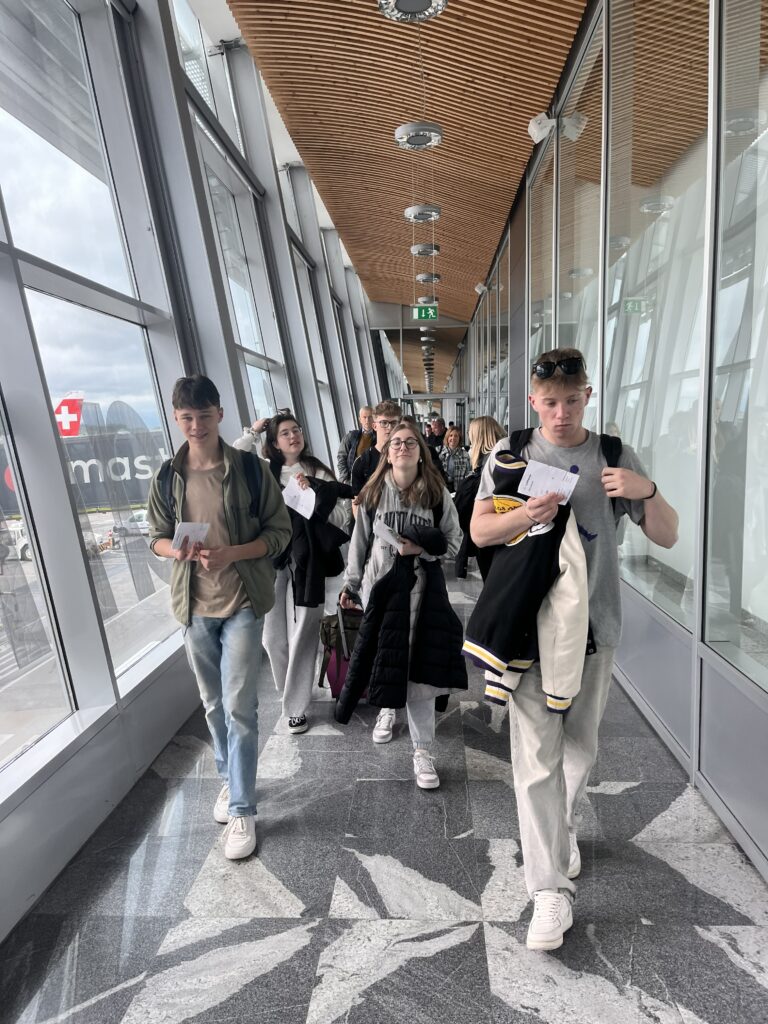
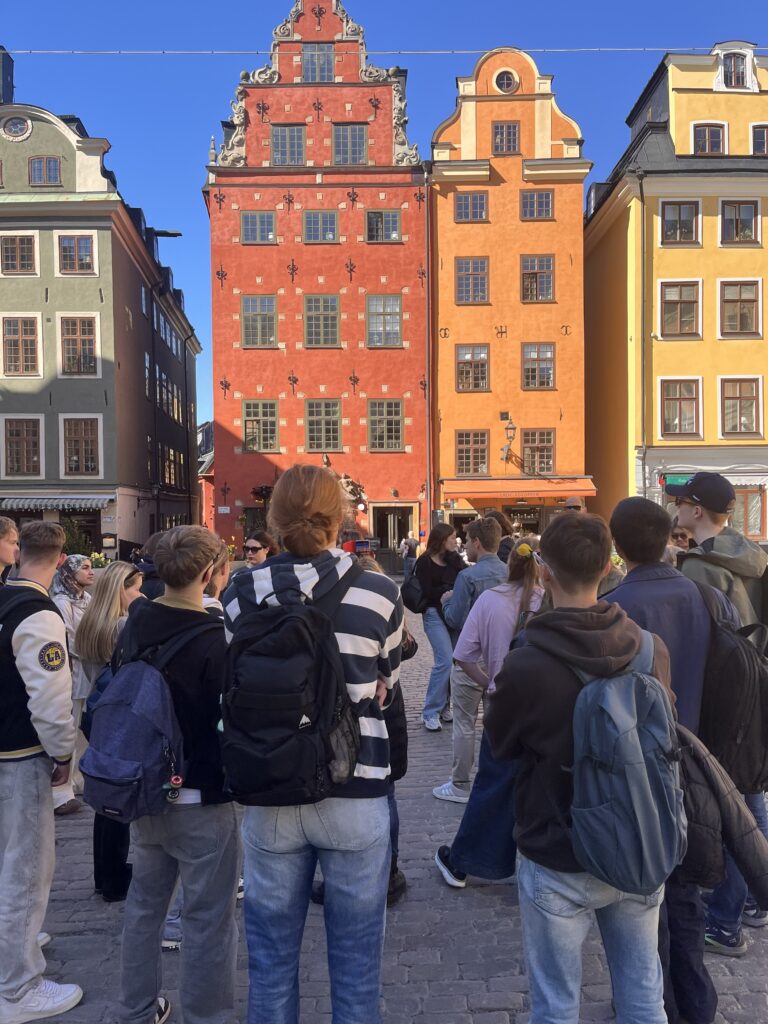
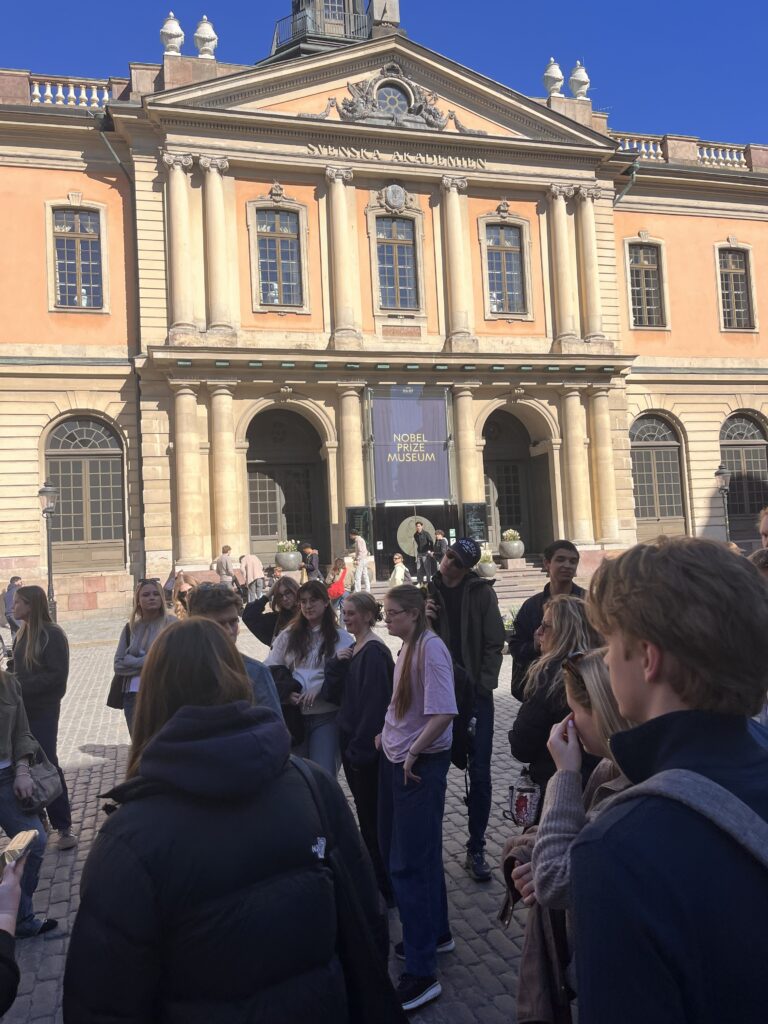
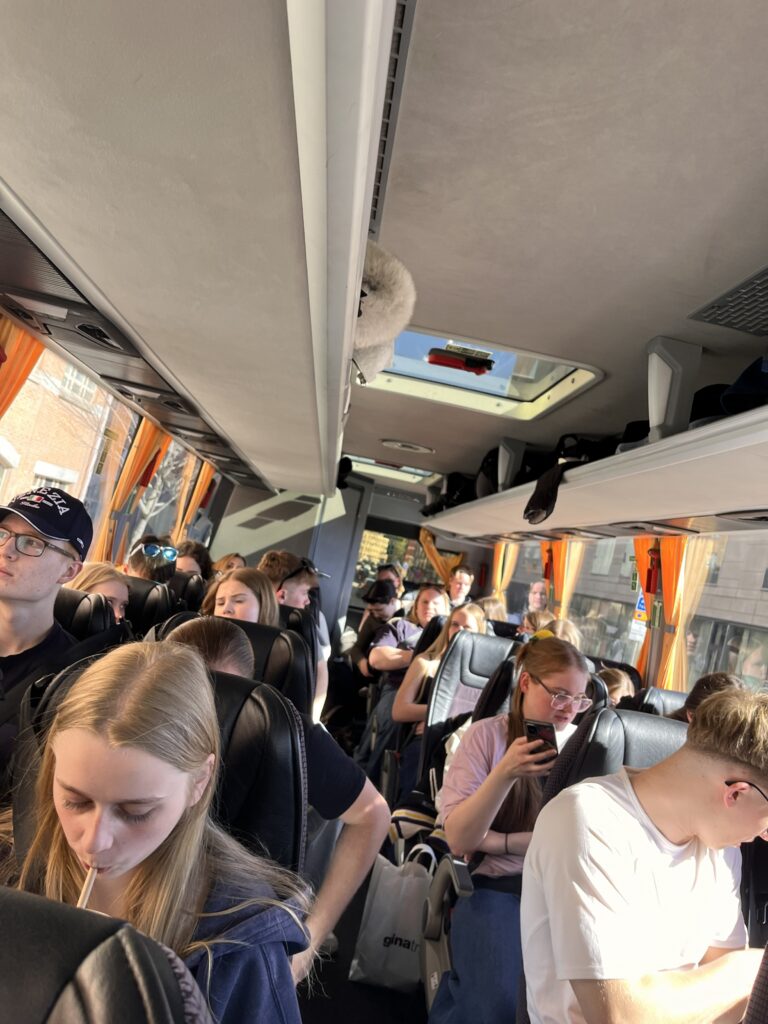
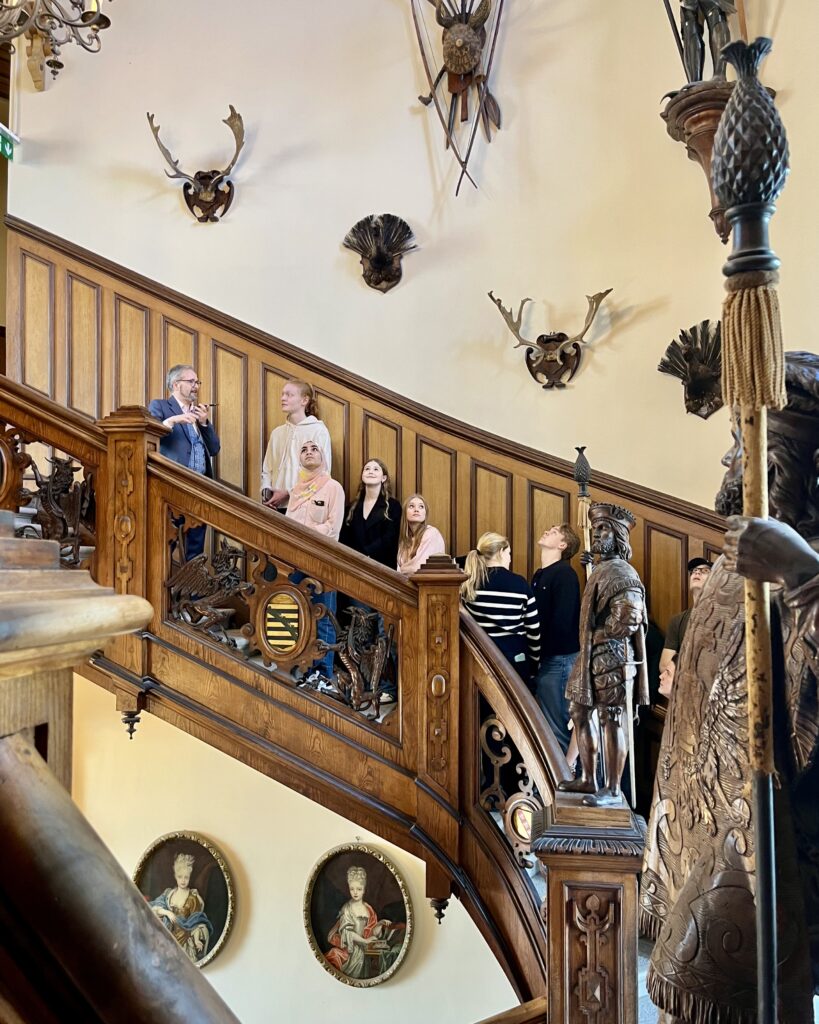
In the morning, we met with Swedish students and teachers and visited the capital Stockholm. We walked along the banks of the Norrström river/canal and admired the majestic palaces, which looked even more impressive under the sunny and pleasantly warm weather. Our route took us past the City Hall, where the Nobel Prize ceremony takes place, and we then visited the old town with its medieval charm. We continued with a visit to the Vasa Museum, where the famous Vasa ship is exhibited. The ship sank in 1628 during its maiden voyage. After lunch we continued our journey to Örebro where we stayed for the following days.
DAY 2:
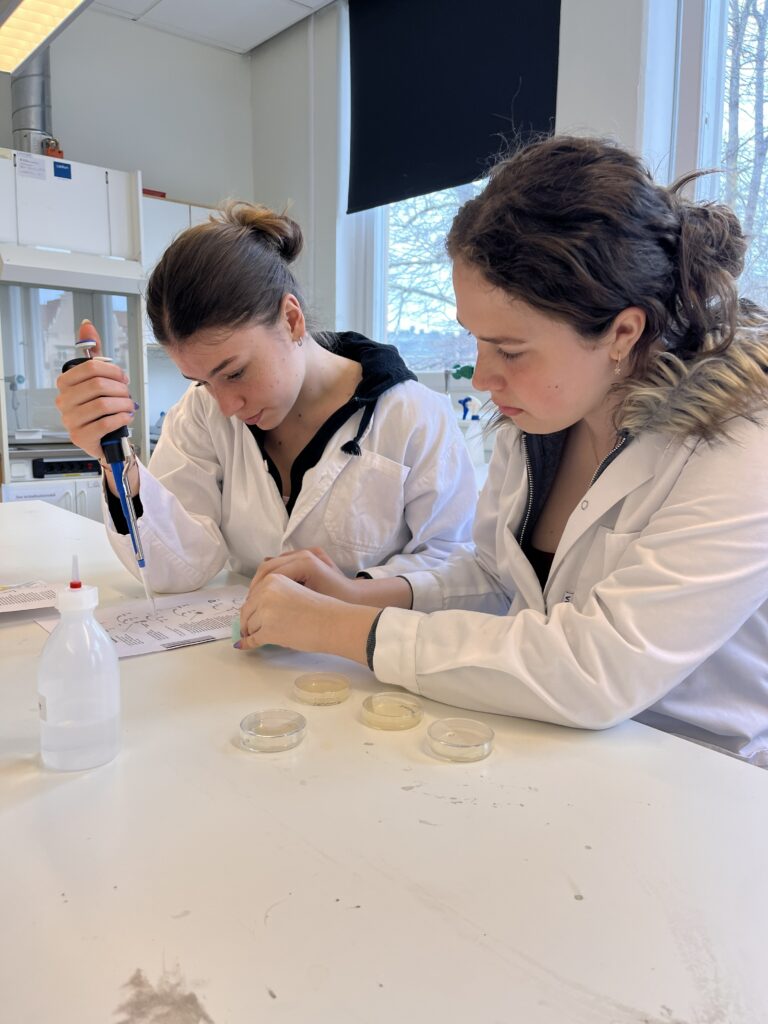
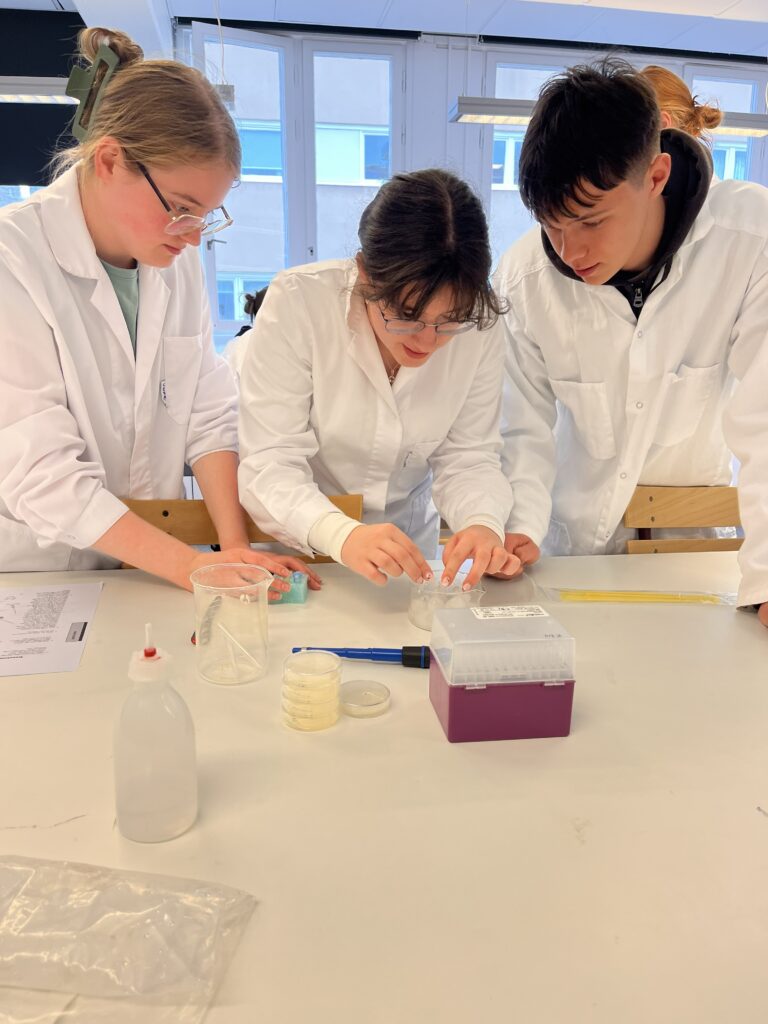
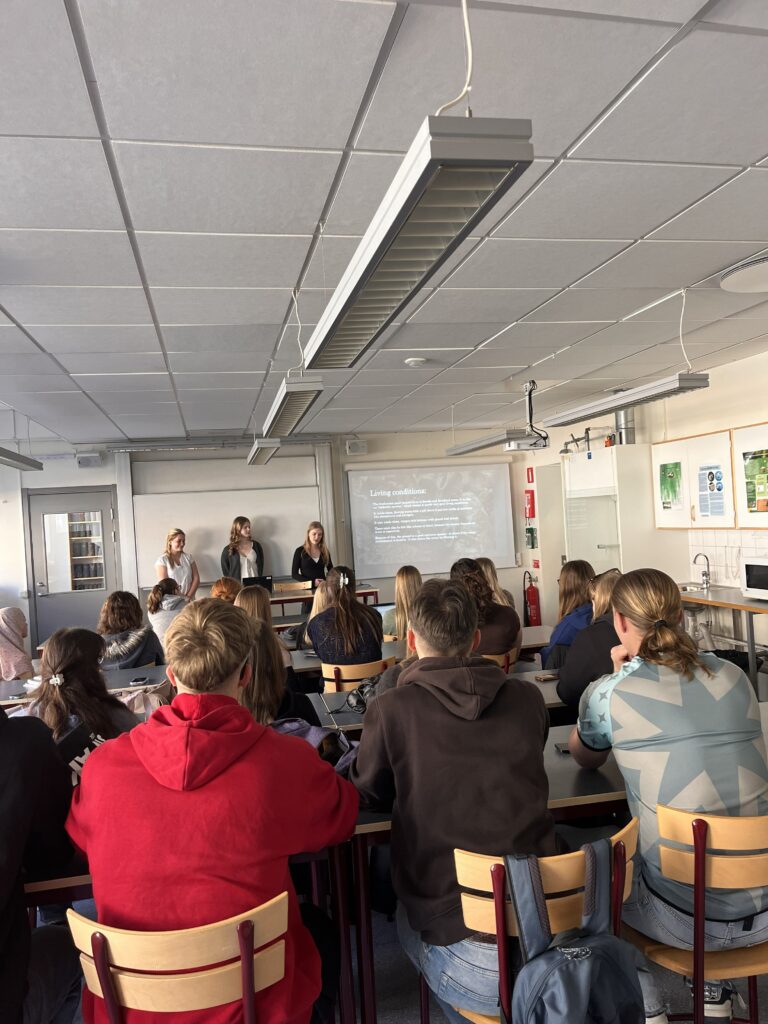
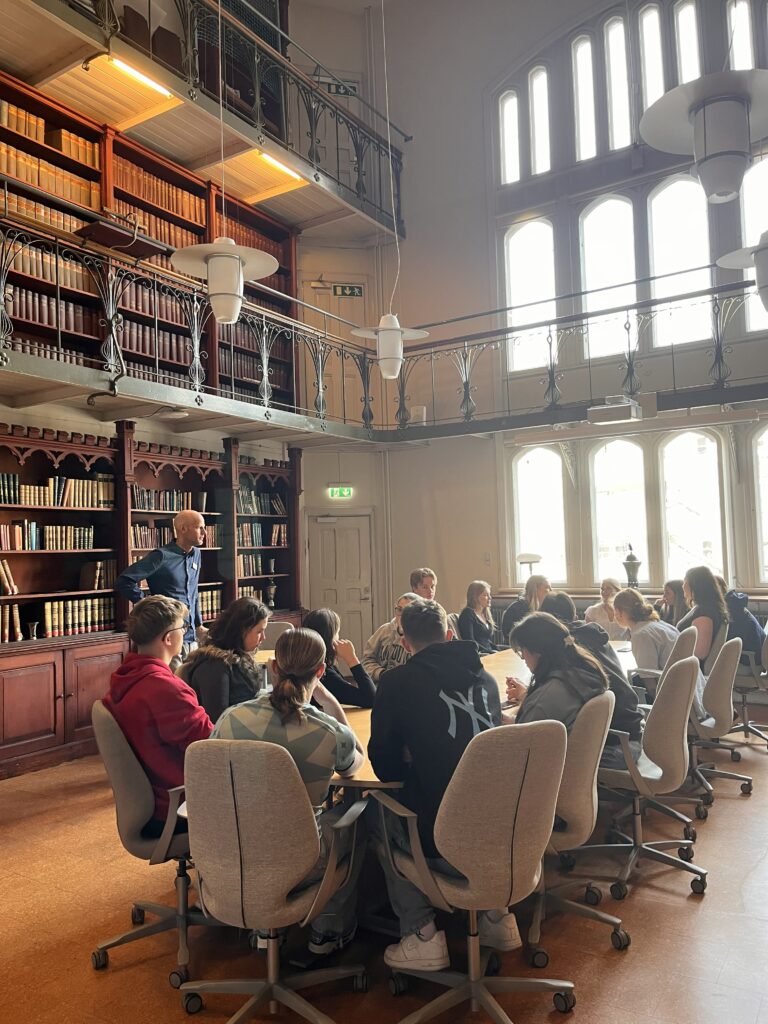
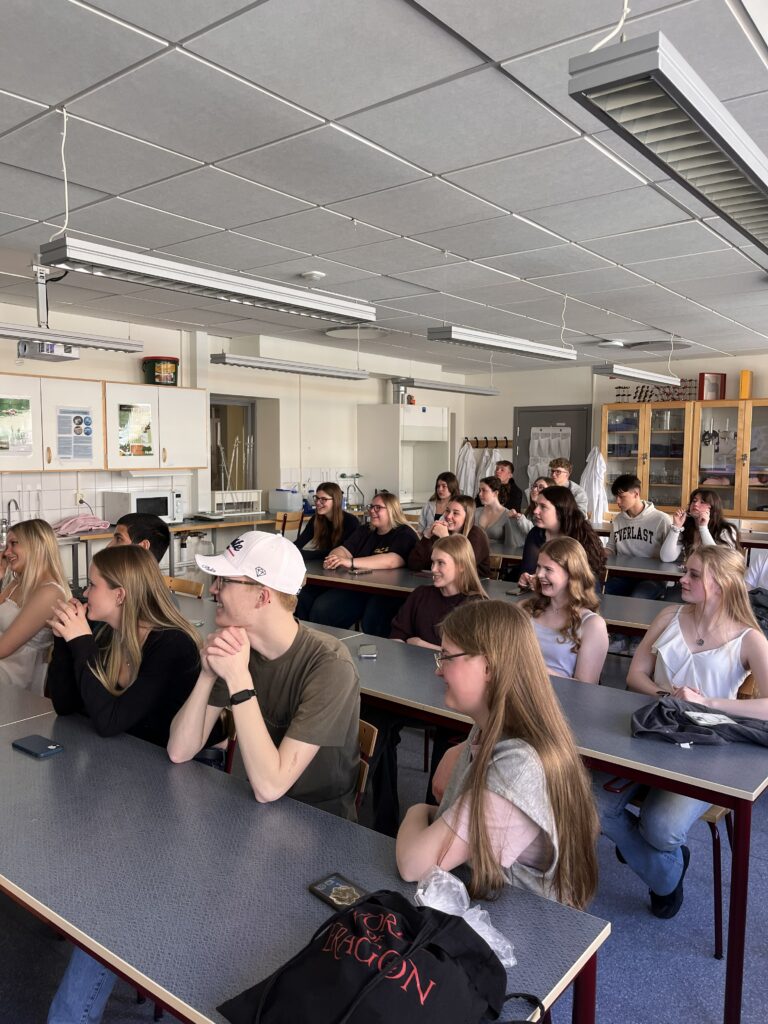
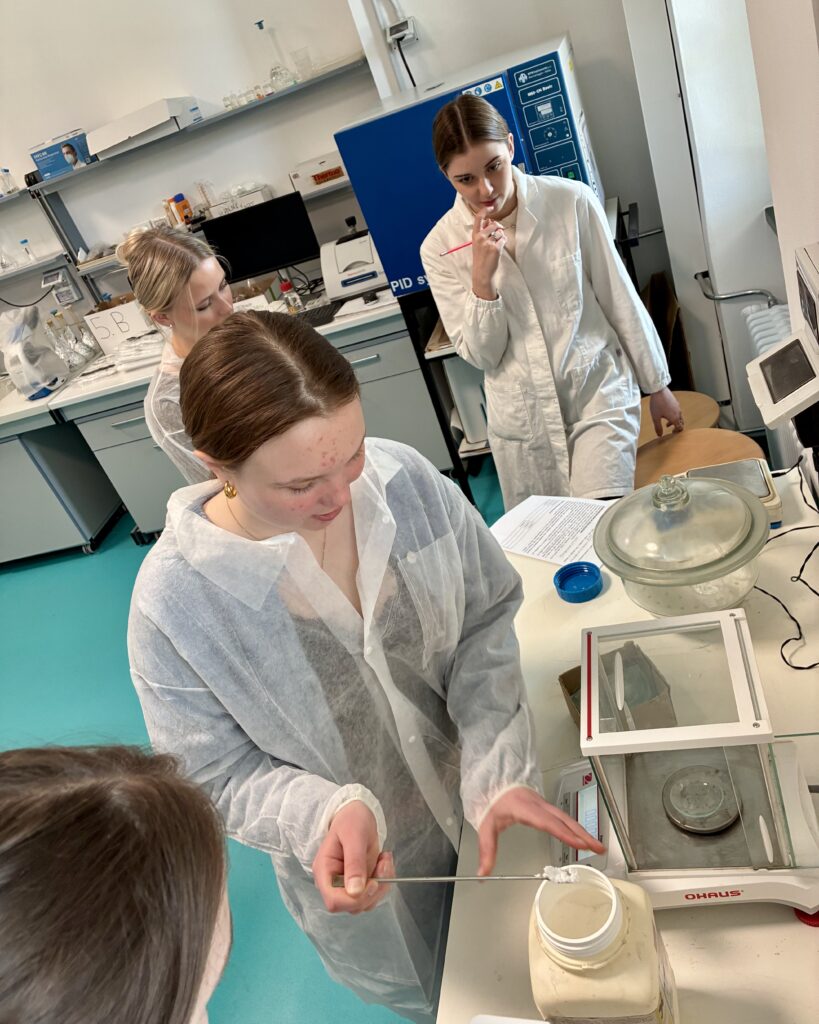
In the morning, students at the school introduced the main topic of the project: they presented fresh water sources and vegetation in Sweden, highlighting the importance of protecting natural water resources. This was followed by a lecture entitled “Water For All” by Mikael Lorin from the company Epiroc, which works on ensuring access to water and restoring water resources in different parts of the world. The speaker provided a detailed presentation of a project in Uganda, where drilling wells allows local communities and nearby villages to access clean drinking water. After lunch in the school cafeteria, a laboratory activity on bacterial transformation took place. Students inserted the pGLO plasmid into bacteria Escherichia coli, which enables the bacteria to produce fluorescence. The results of the experiment can only be evaluated after the incubation period.
DAY 3:
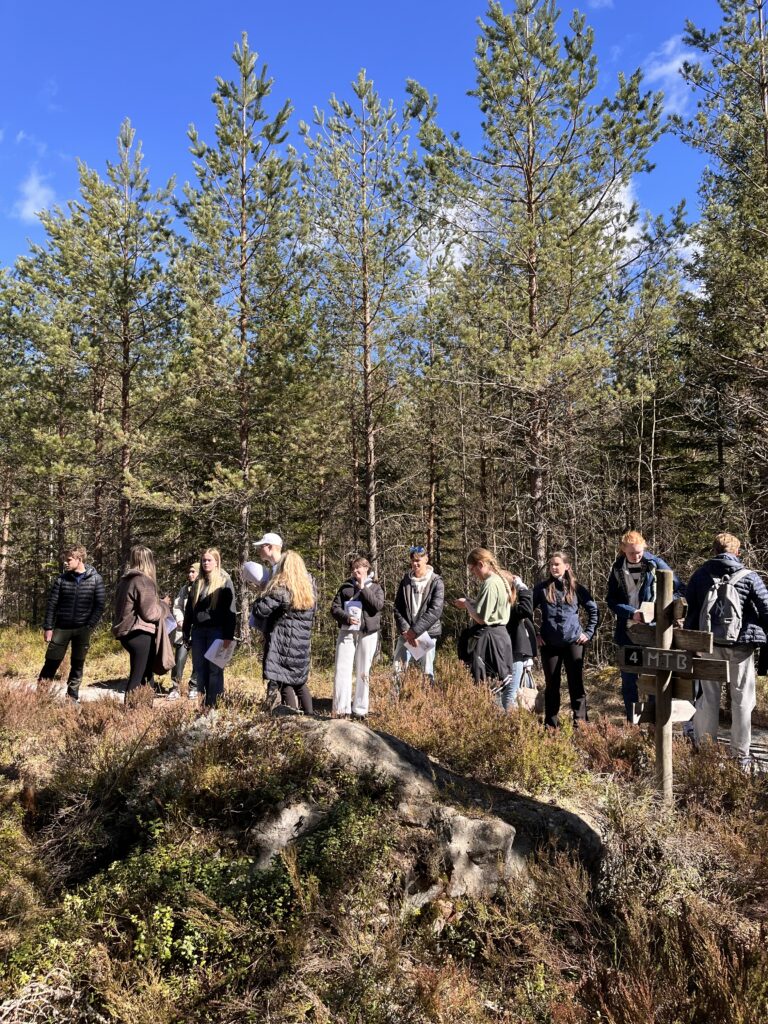
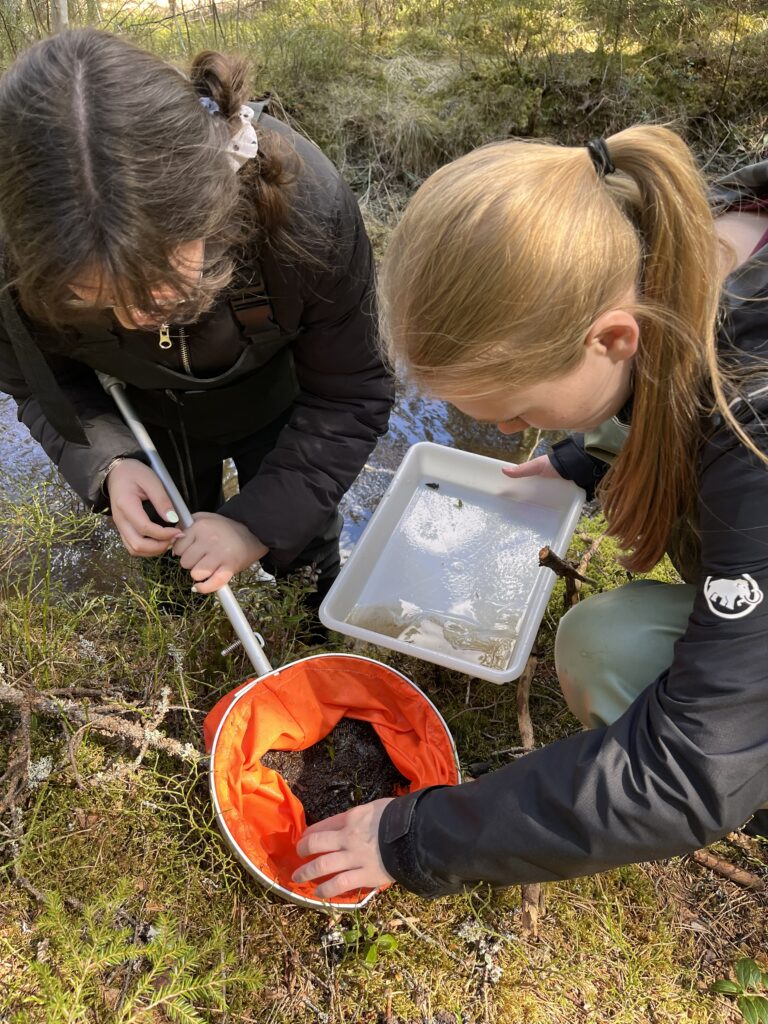
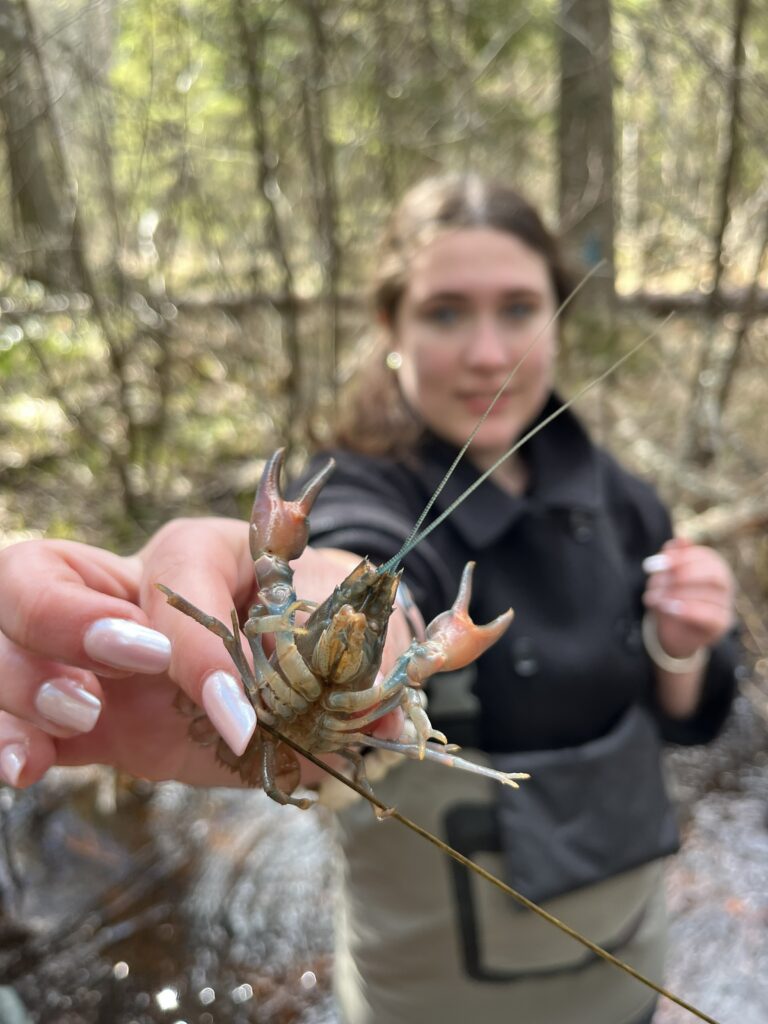
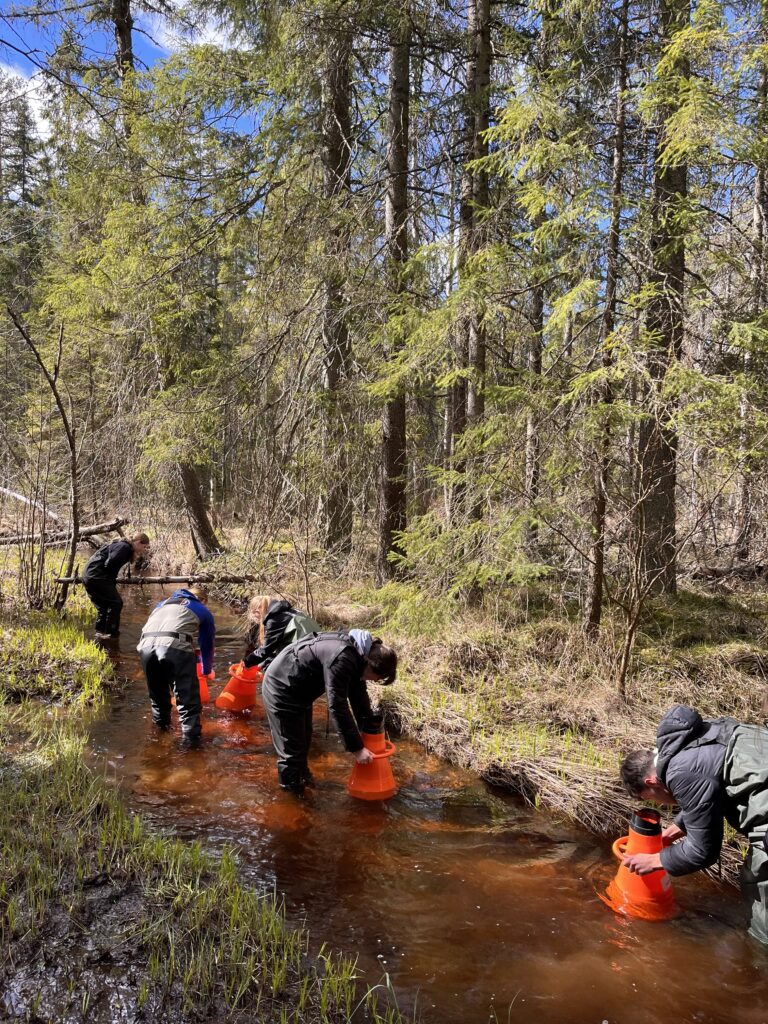
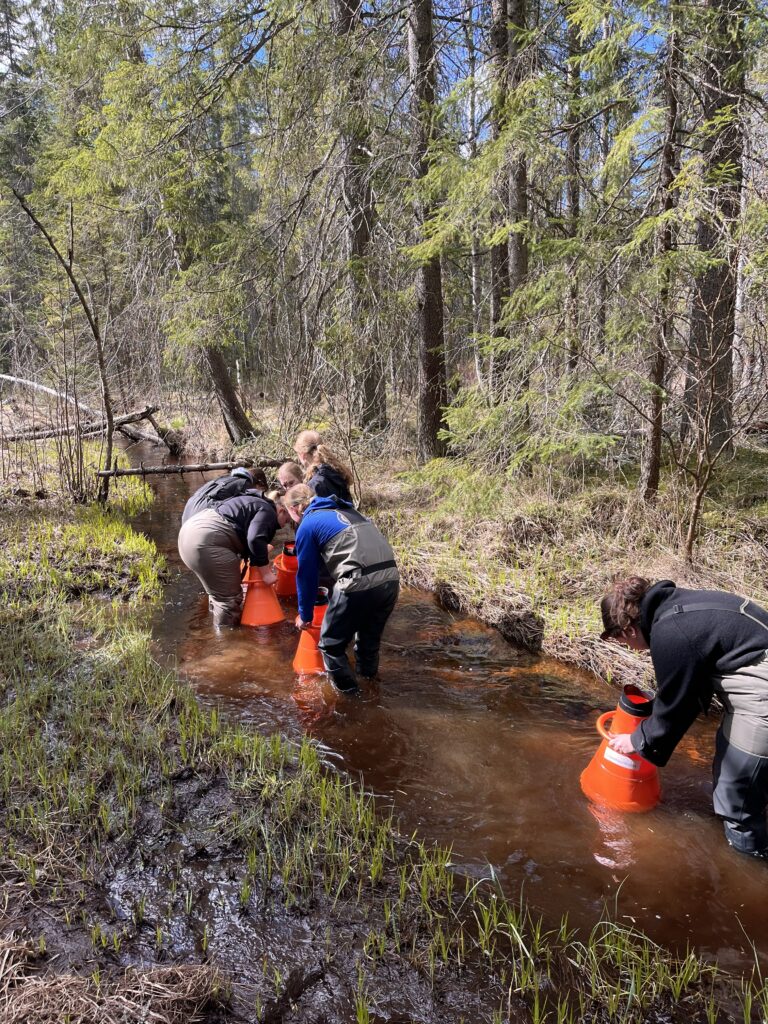
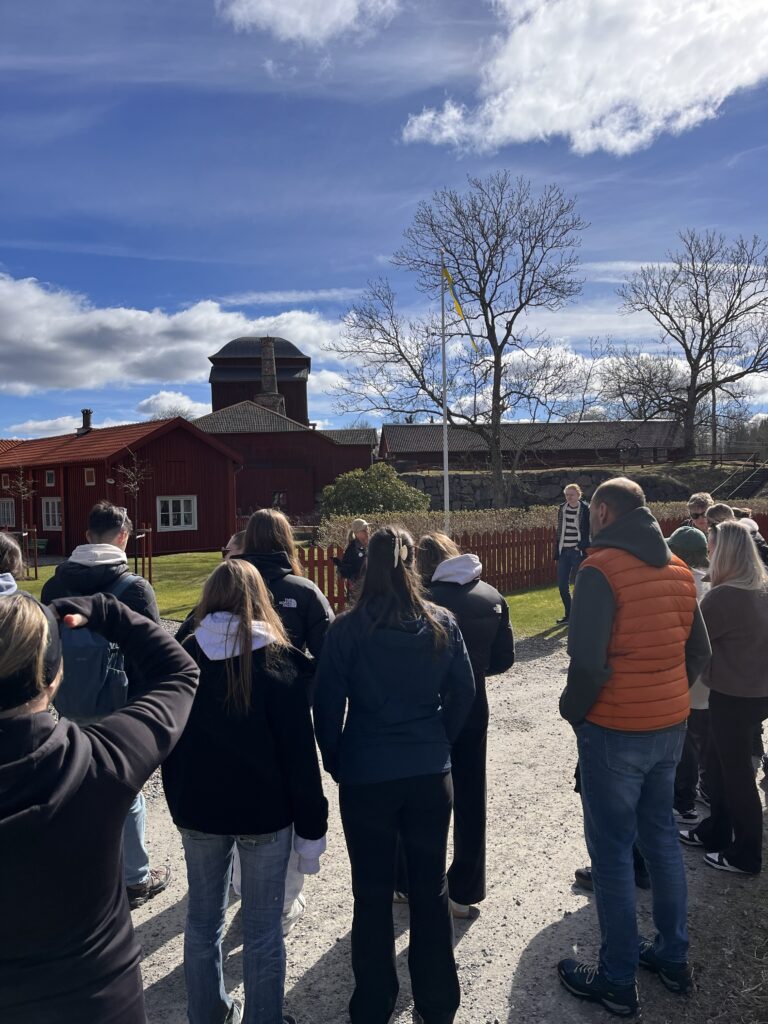
In the morning, we went to Pershyttan, a former mining village with a rich industrial history. After a guided tour of the blast furnace and the mine, which have not been in operation since the 1960s, we began our fieldwork. In a nearby stream, we searched for freshwater pearl mussels and identified benthic invertebrates, which are important indicators of water quality. The Swedish students then took us on a long walk through the forest, where they showed us the most characteristic plant species of the area. Among the animals, we observed some butterflies and bumblebees, and we also encountered two species of snakes: the grass snake and the common European adder.
DAY 4:
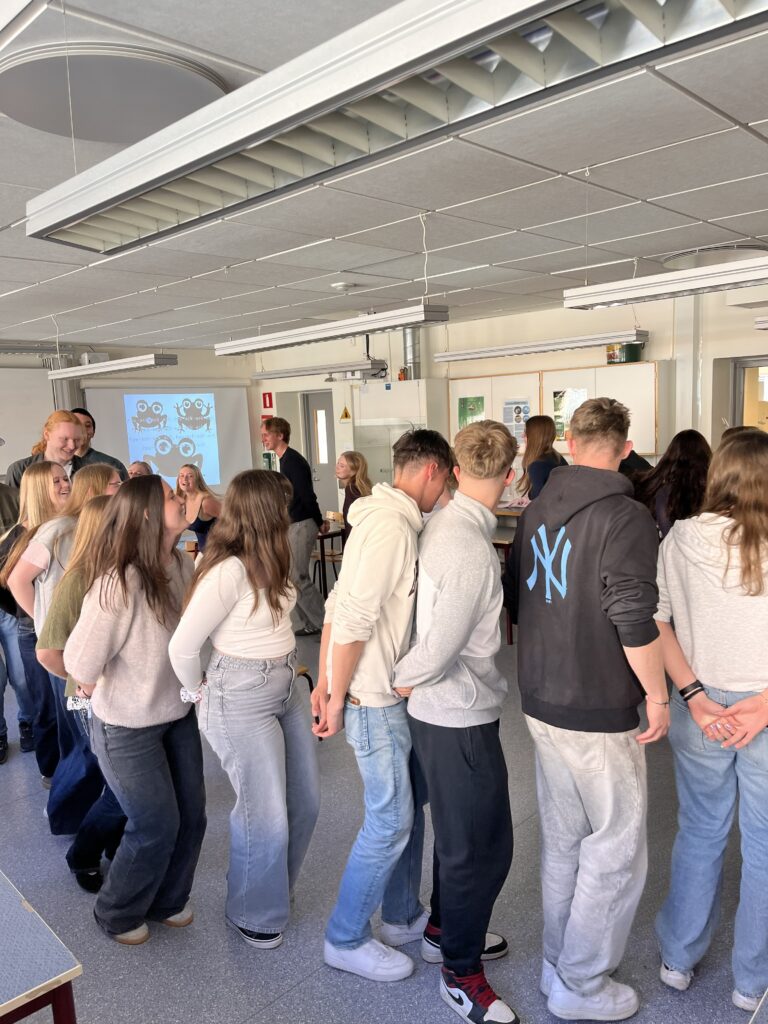
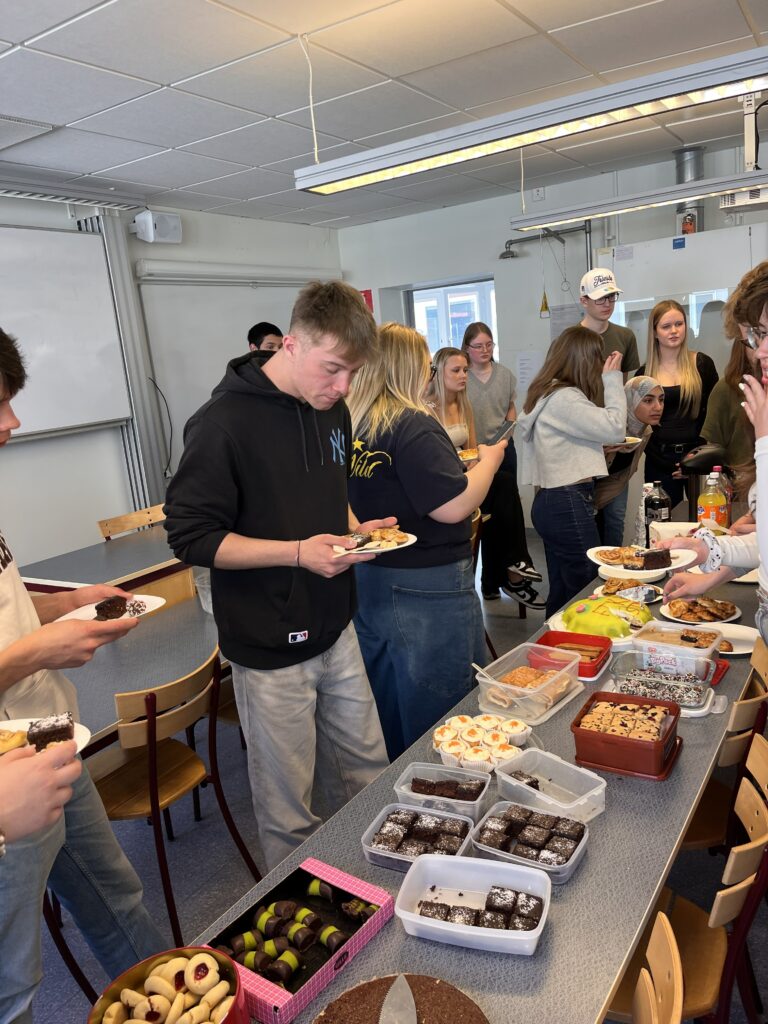
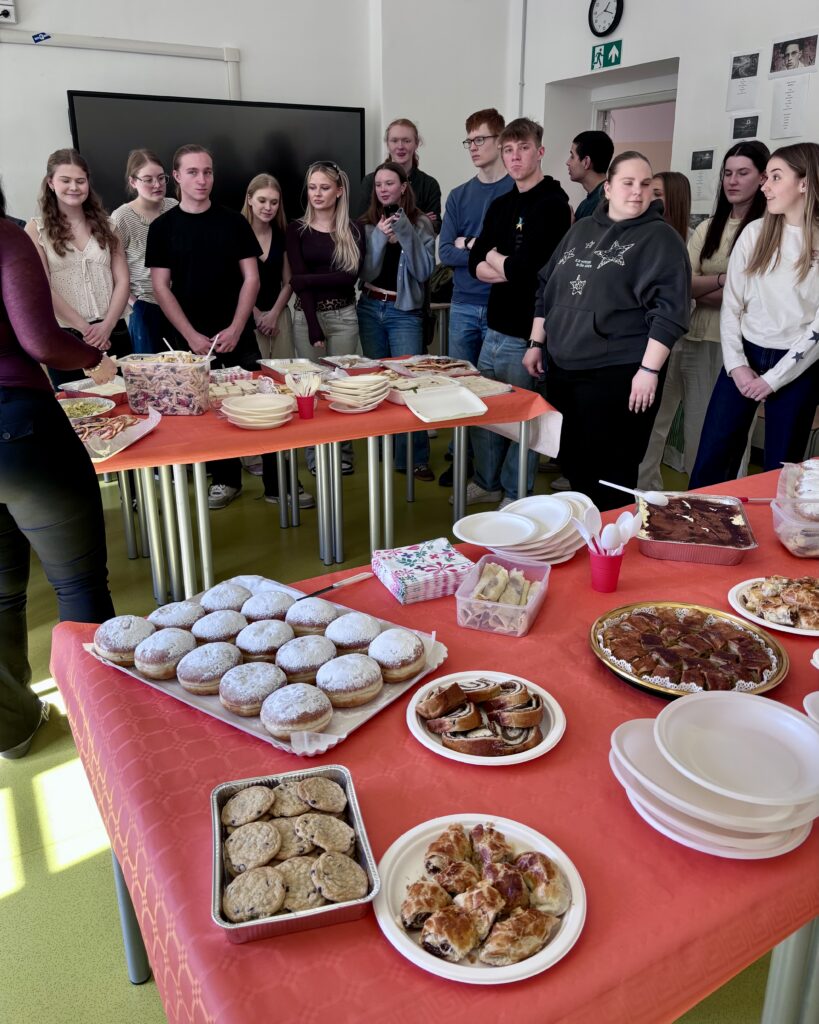
The day began in the laboratory, where we analyzed the results of the bacterial transformation with the pGLO plasmid. In some samples, we observed that the bacteria had successfully taken up the plasmid and were emitting fluorescence. This was followed by a presentation of Swedish traditions, dances, and cuisine. Our students learned some steps of the traditional dances performed during the Midsummer celebration and tasted traditional Swedish sweets—fika. After evaluating the work carried out during the exchange, the Swedish students guided us on a tour of the city. We ended the day in a relaxed and friendly atmosphere, competing in a game of mini golf.
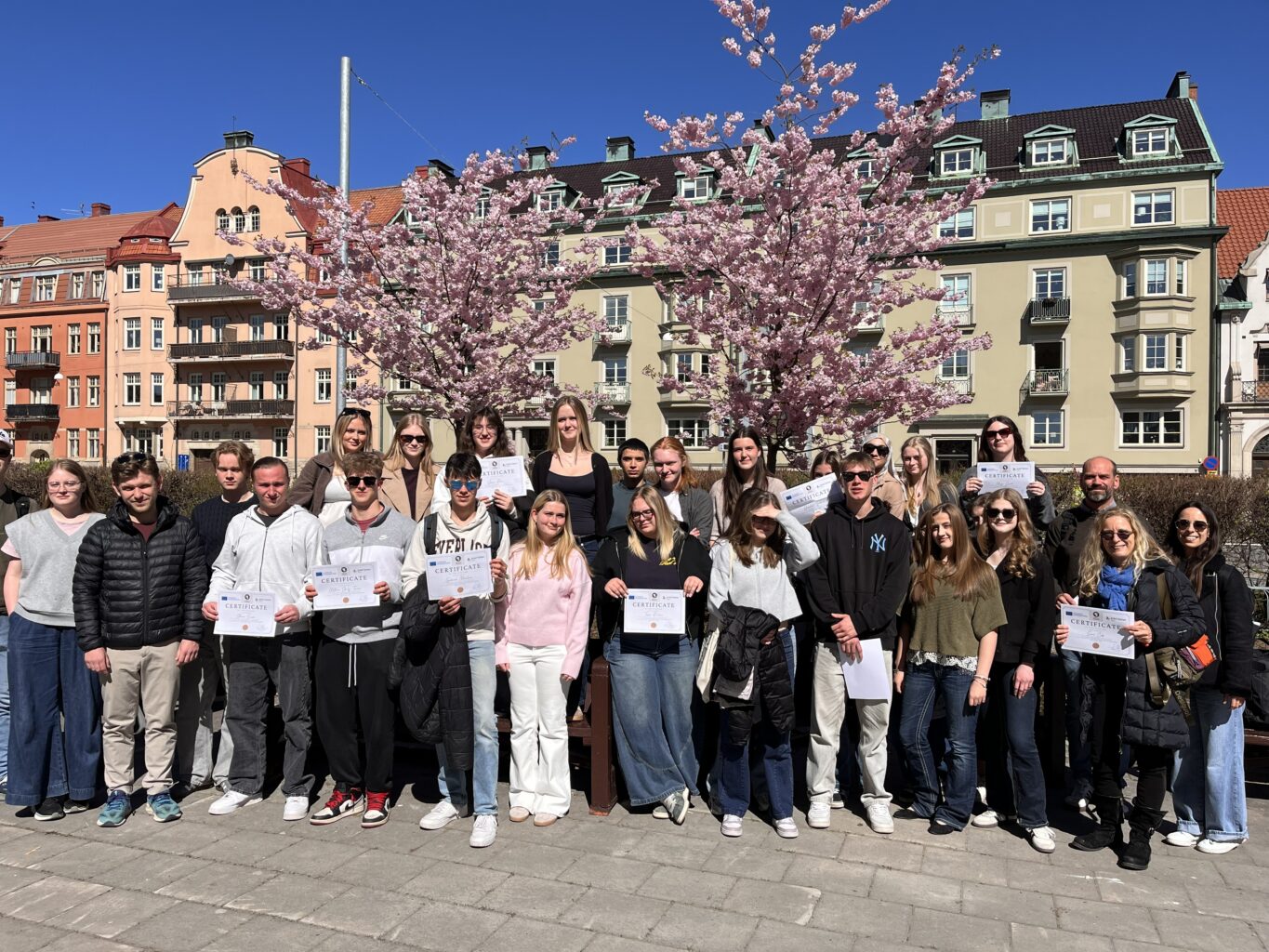
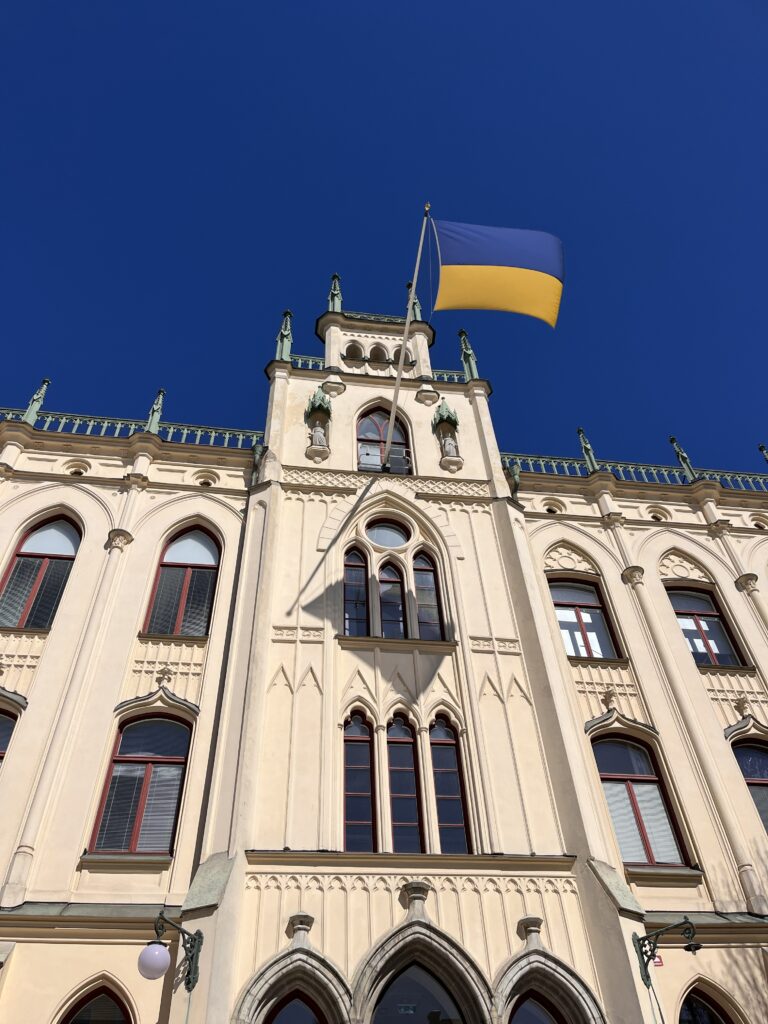
Mobility of Swedish students at the Stefan school
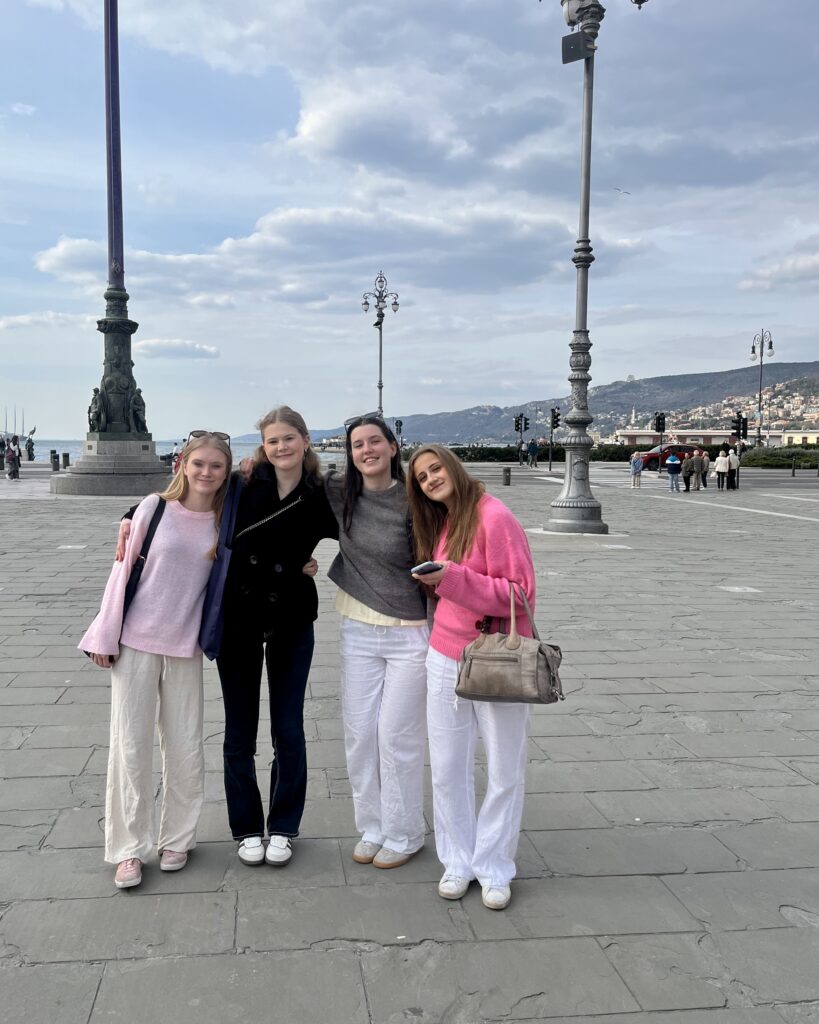
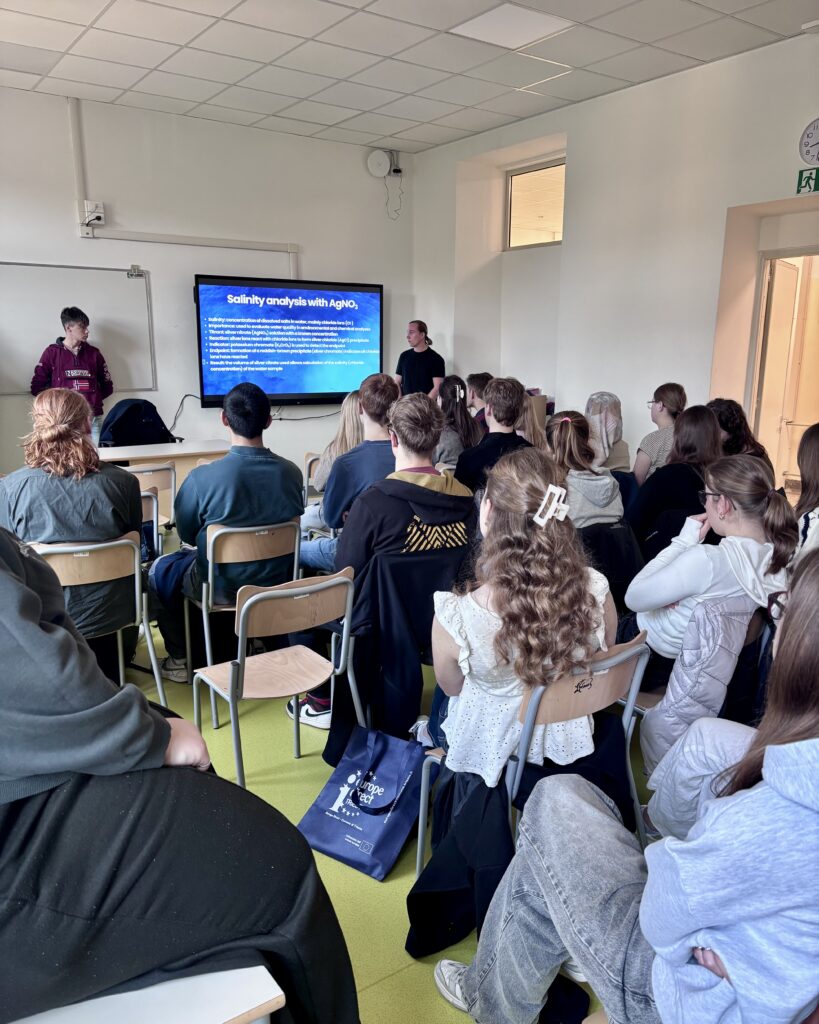
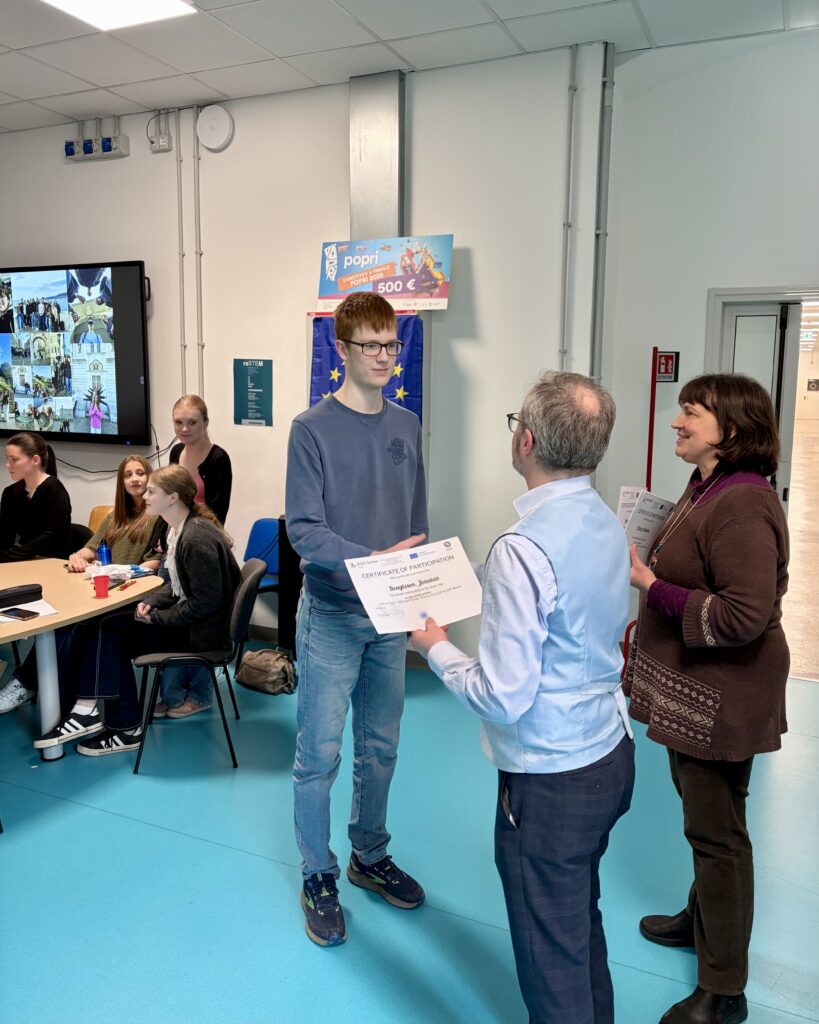
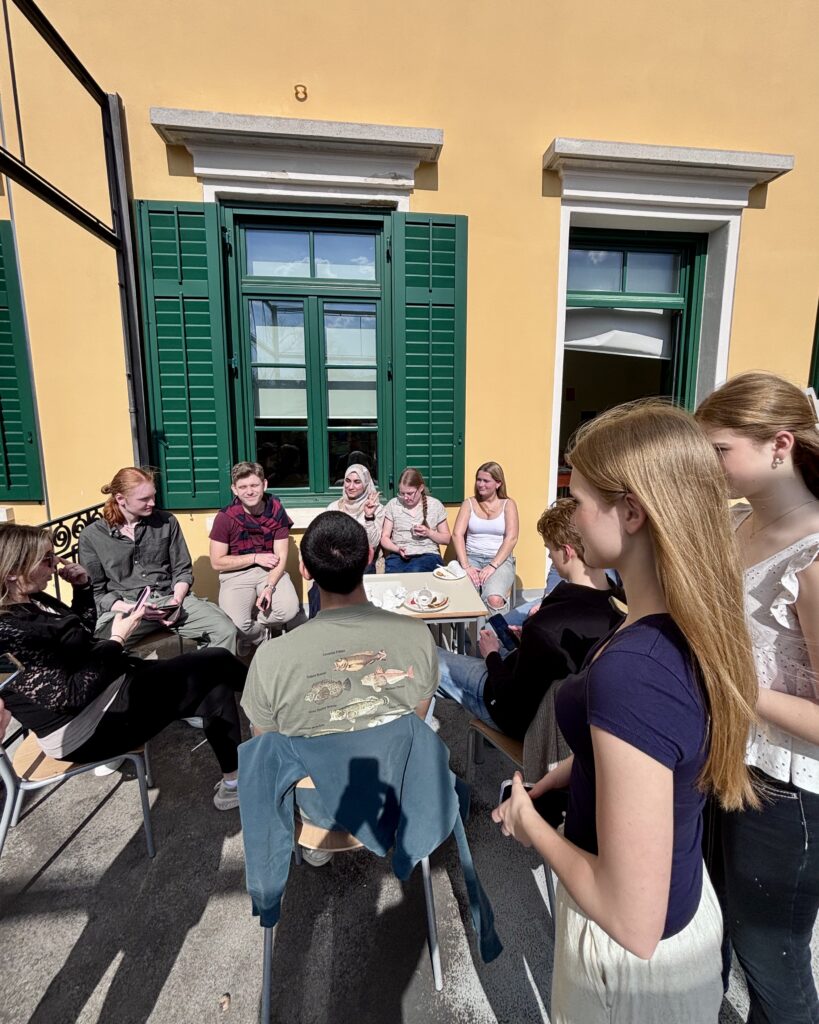
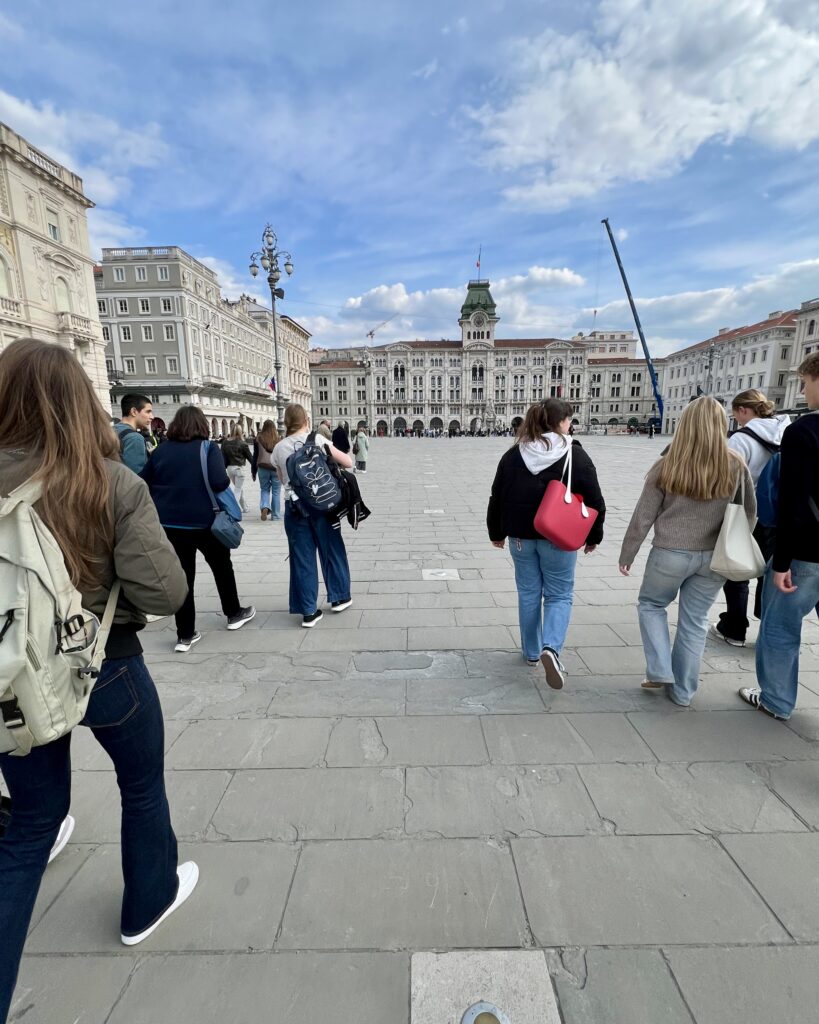
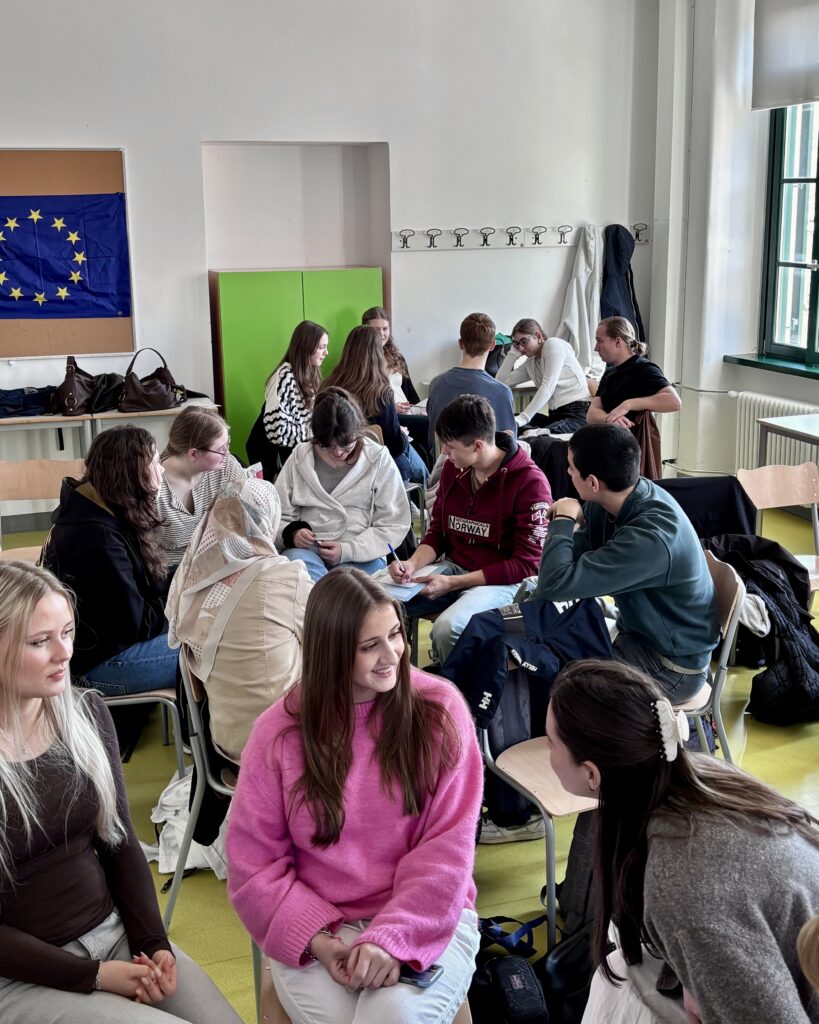
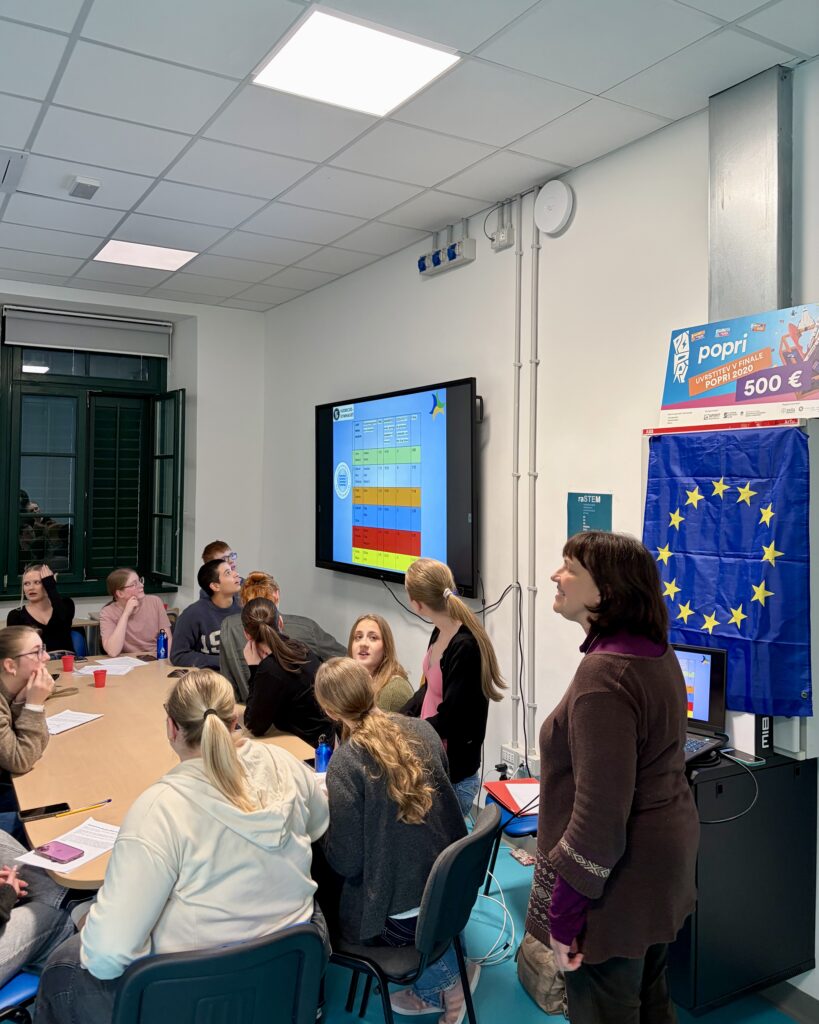
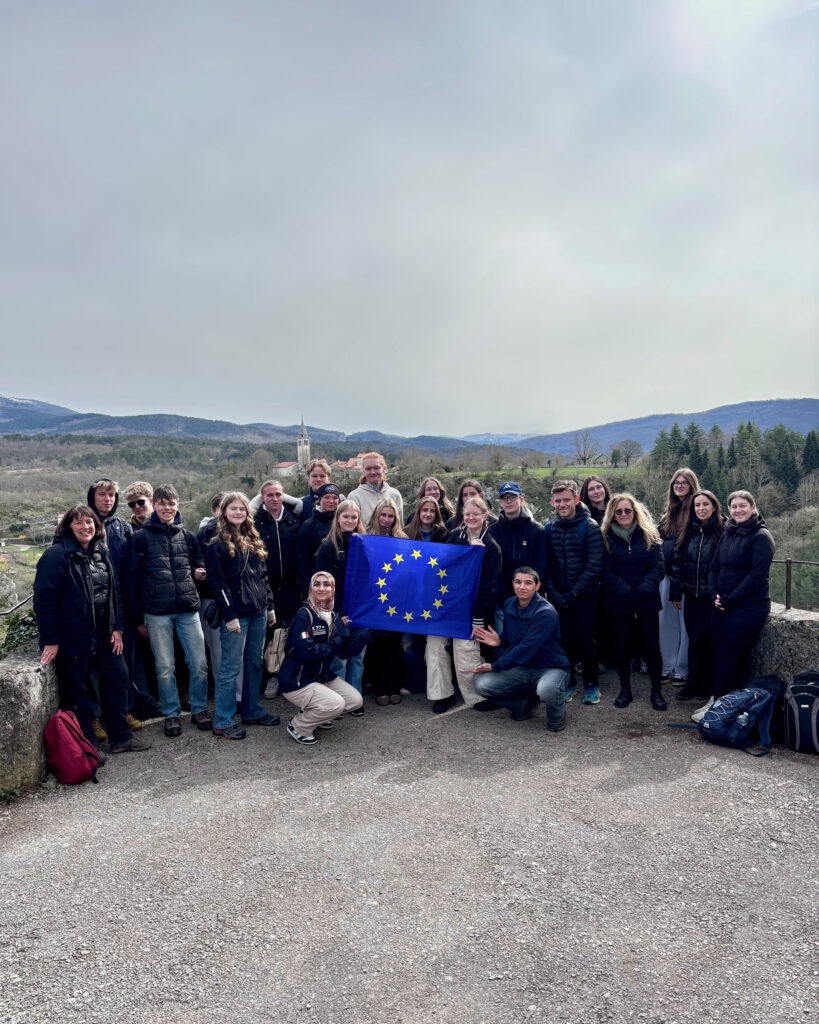
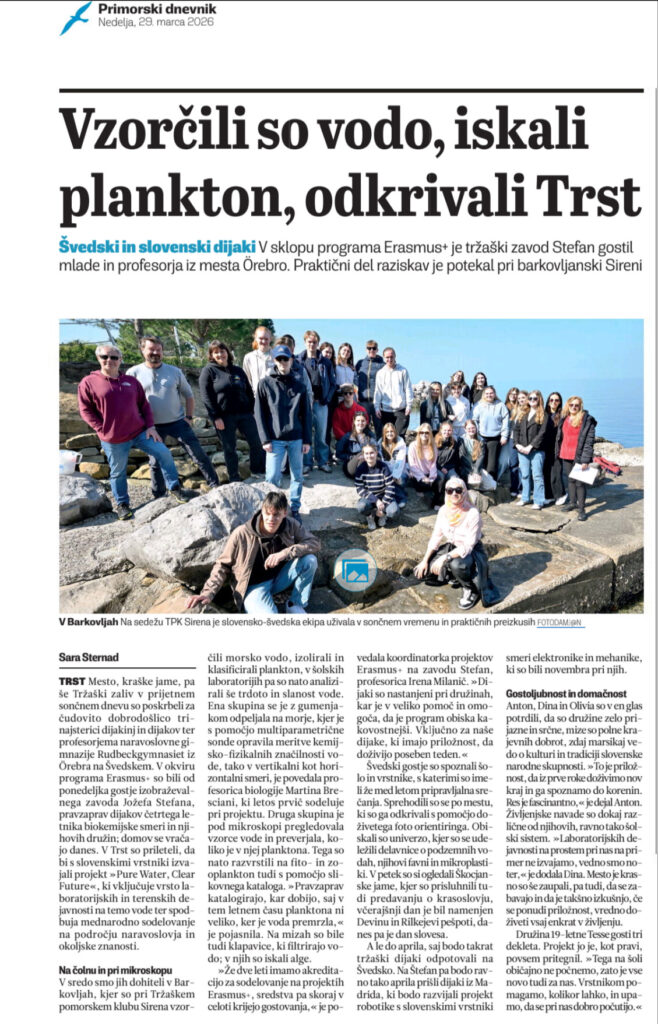
From March 23 to 29, students from the Natural science high school Rudbeckgymnasiet from the city of Örebro, Sweden, will be hosted at the Jožef Stefan school as part of the Erasmus+ programme. The project, titled Pure Water, Clear Future, includes a series of laboratory and field activities focused on water and promotes international cooperation in the fields of natural and environmental sciences.
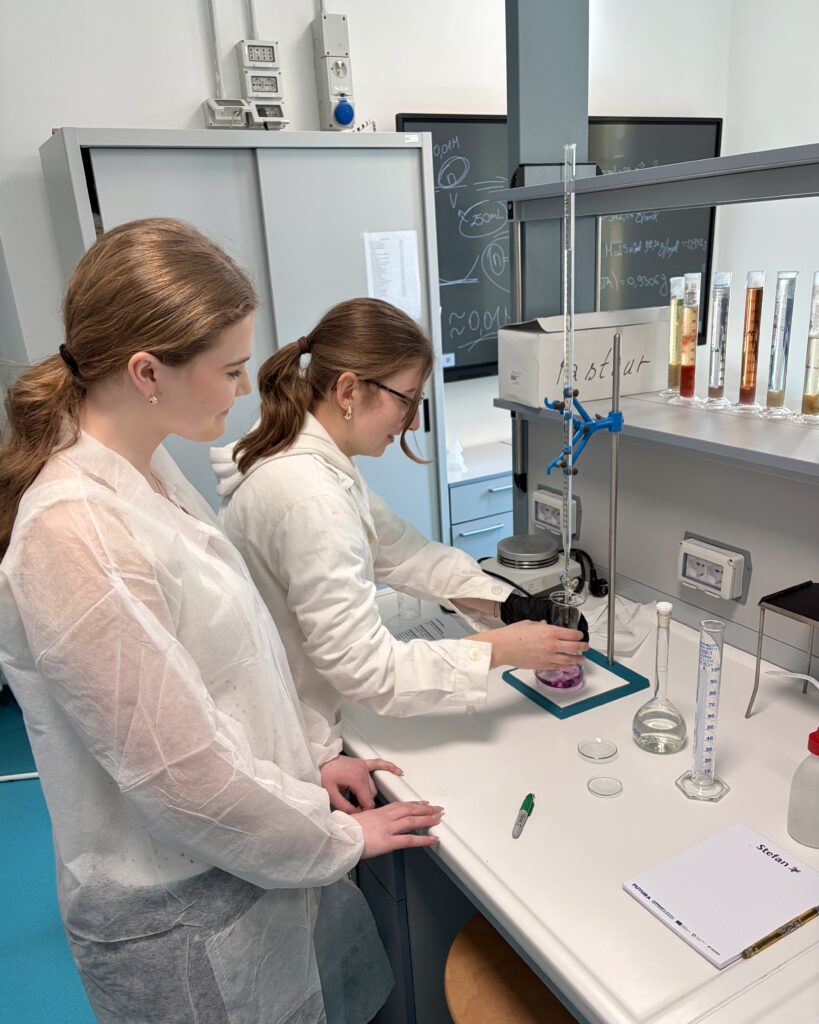
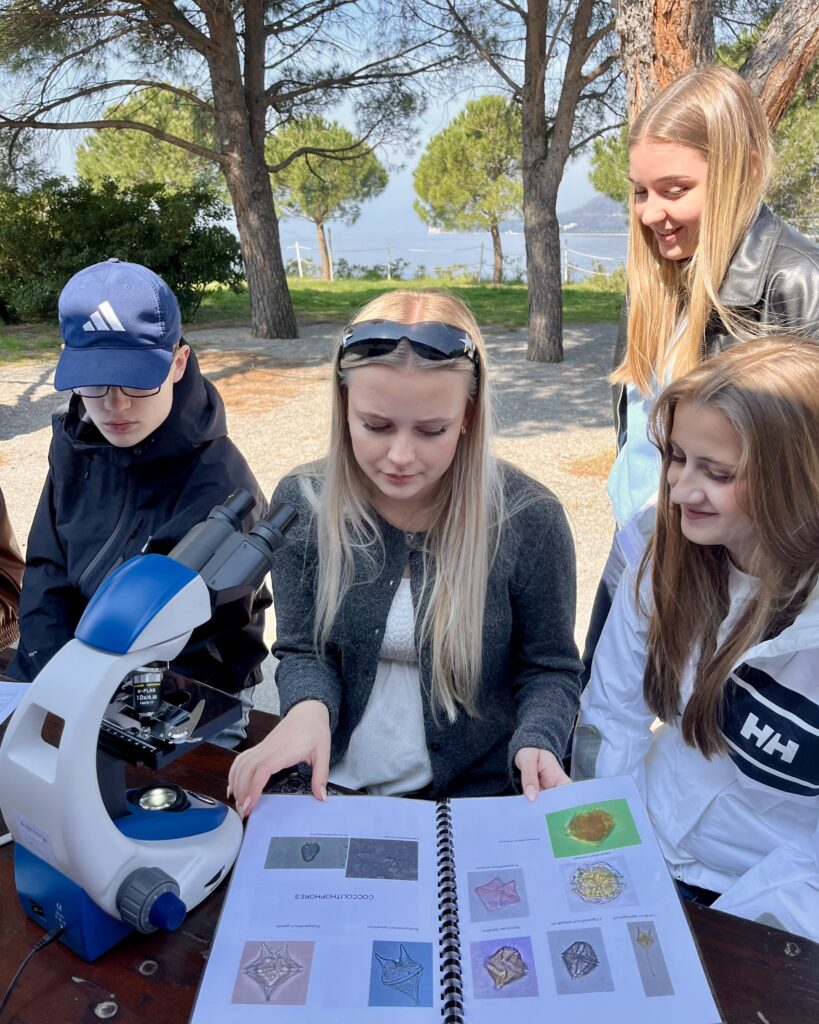
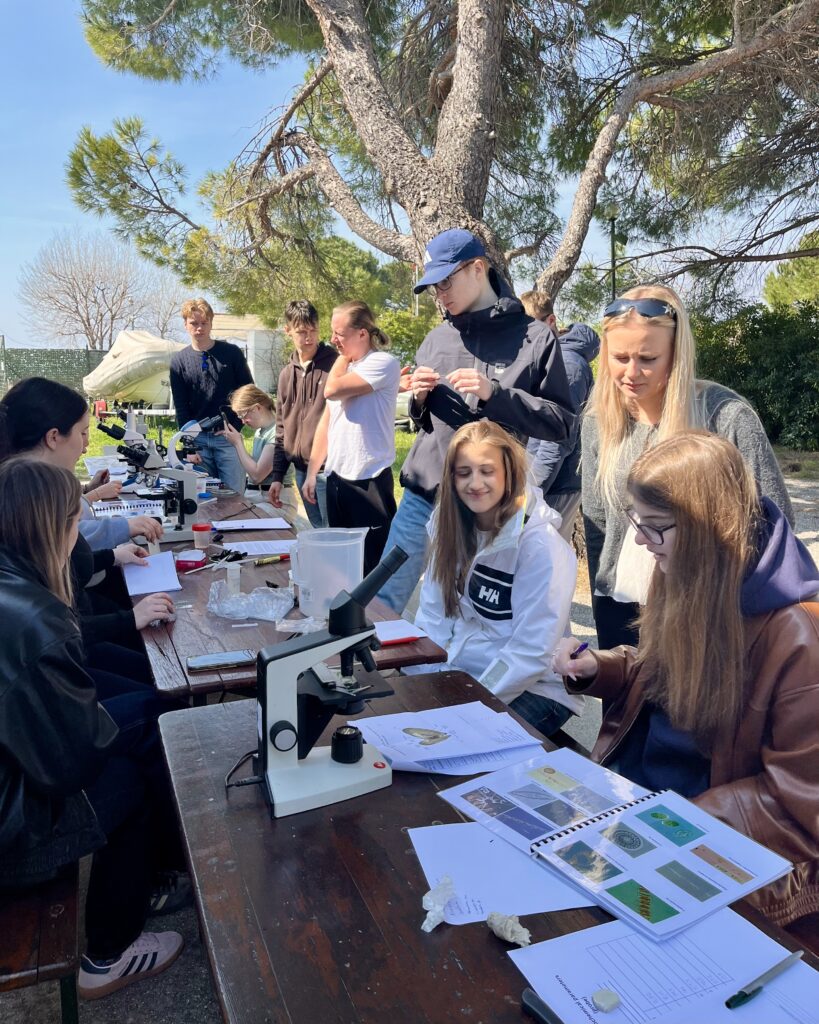
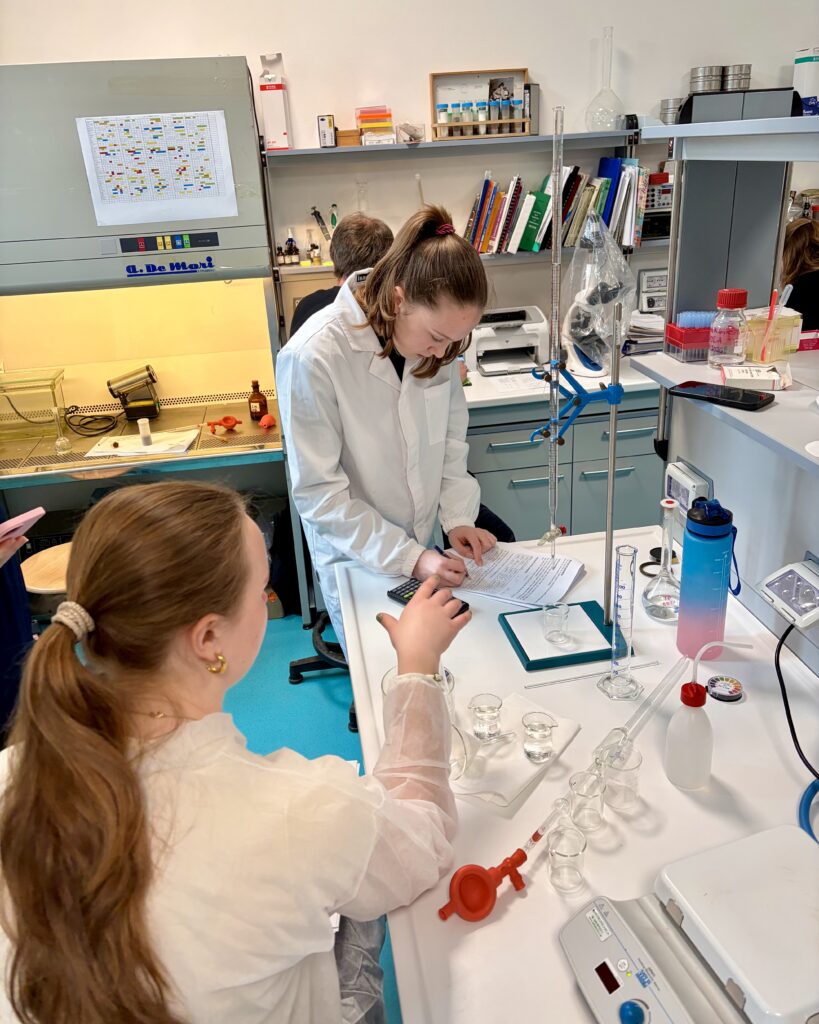
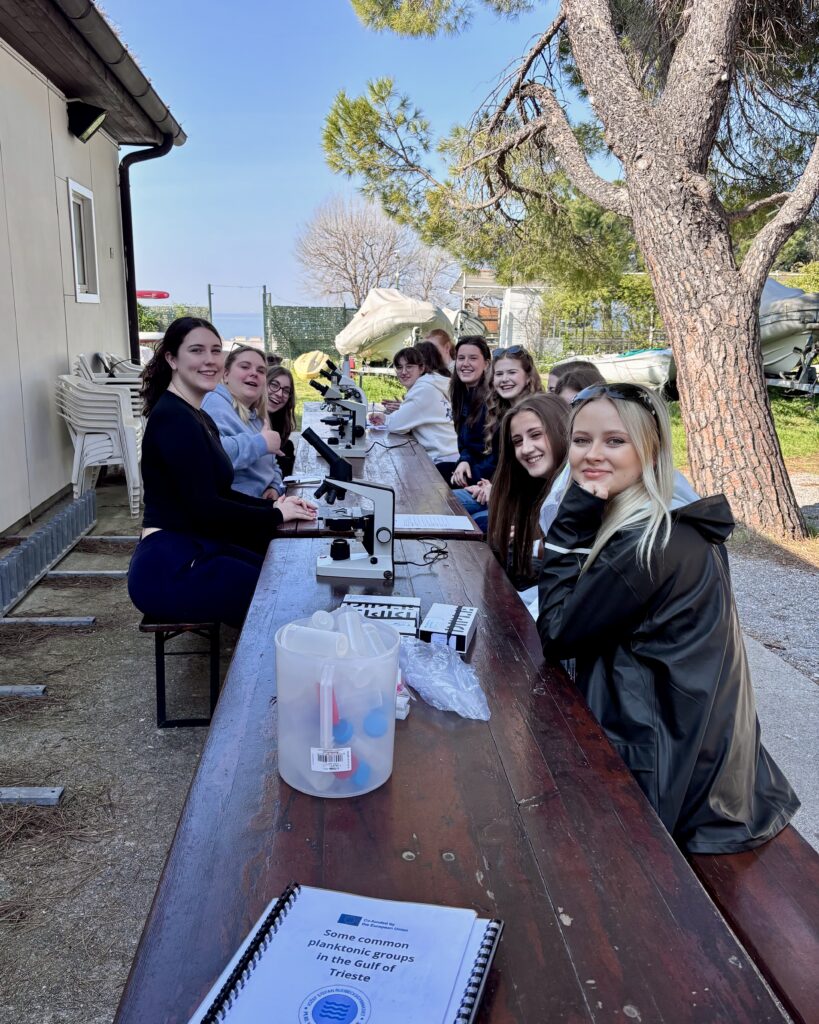
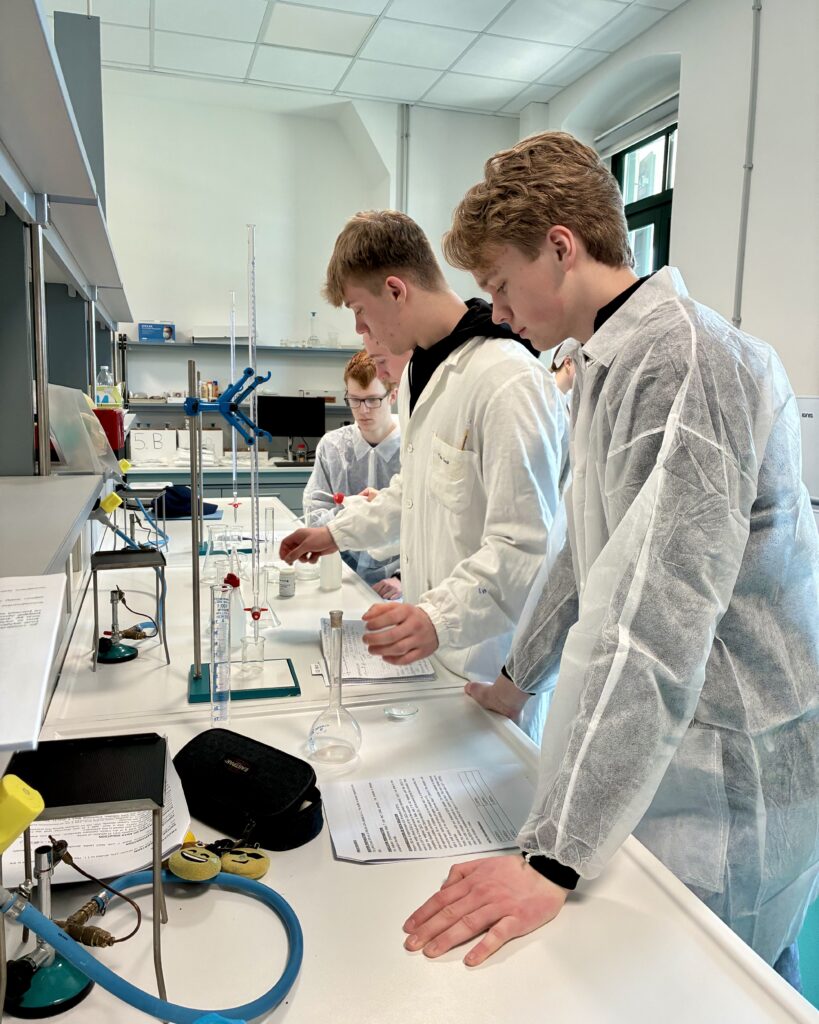
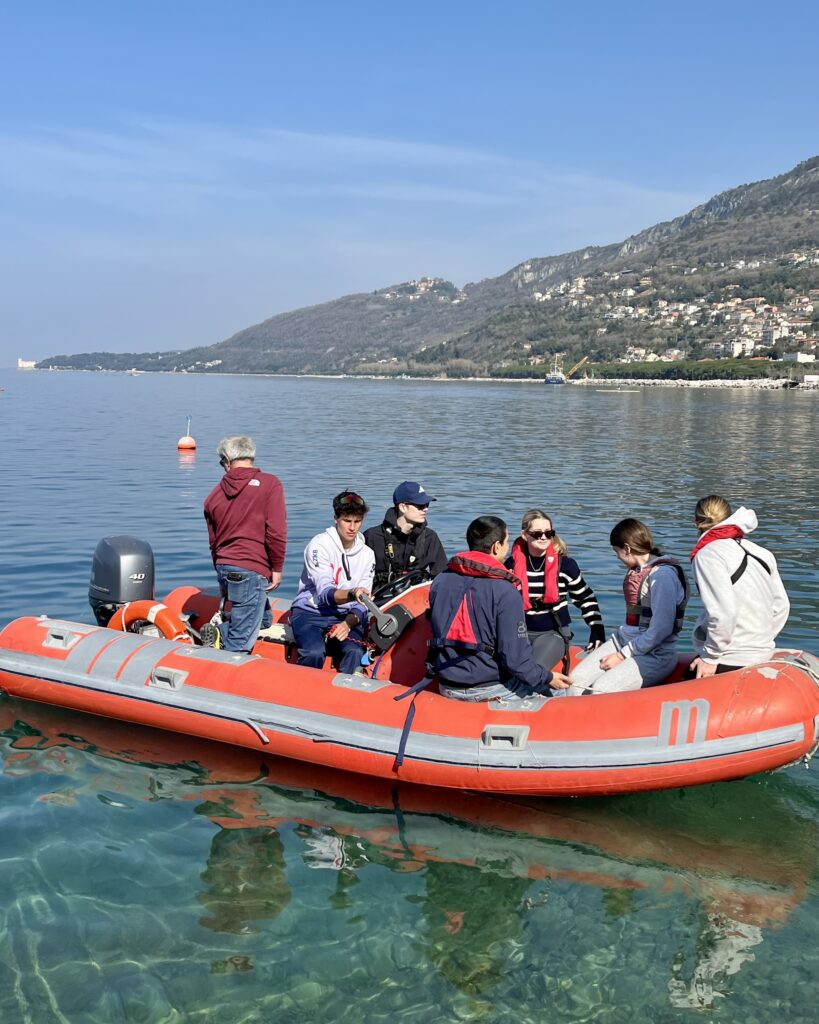
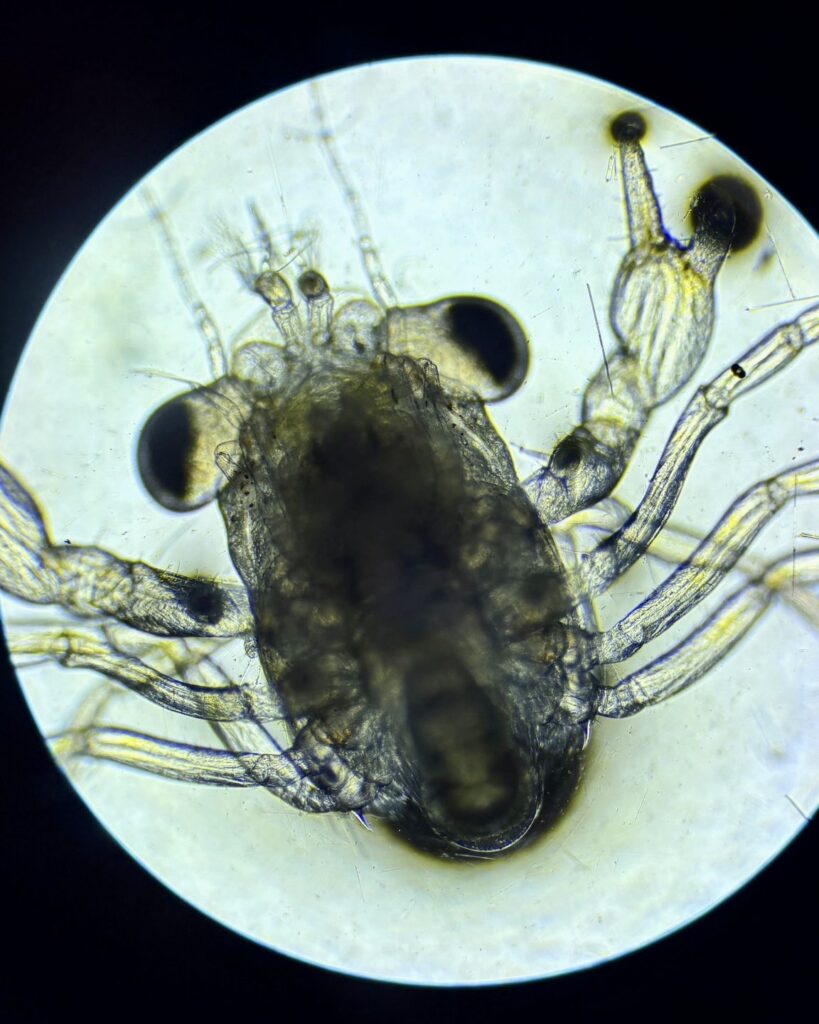
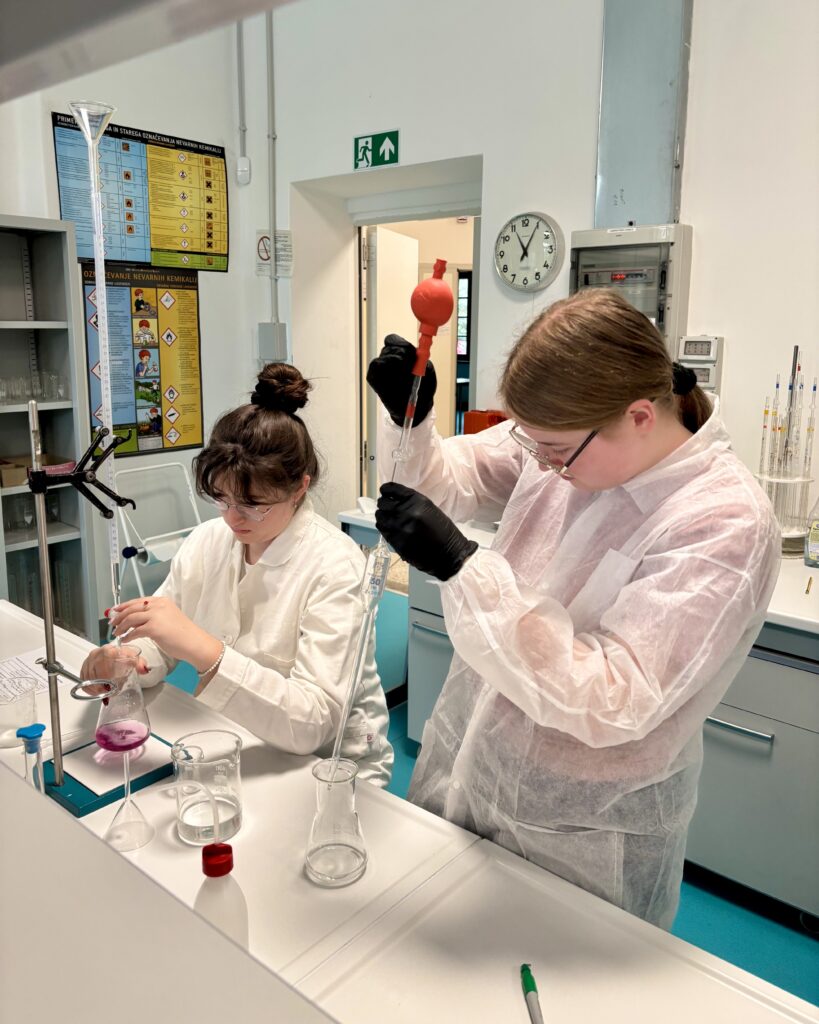
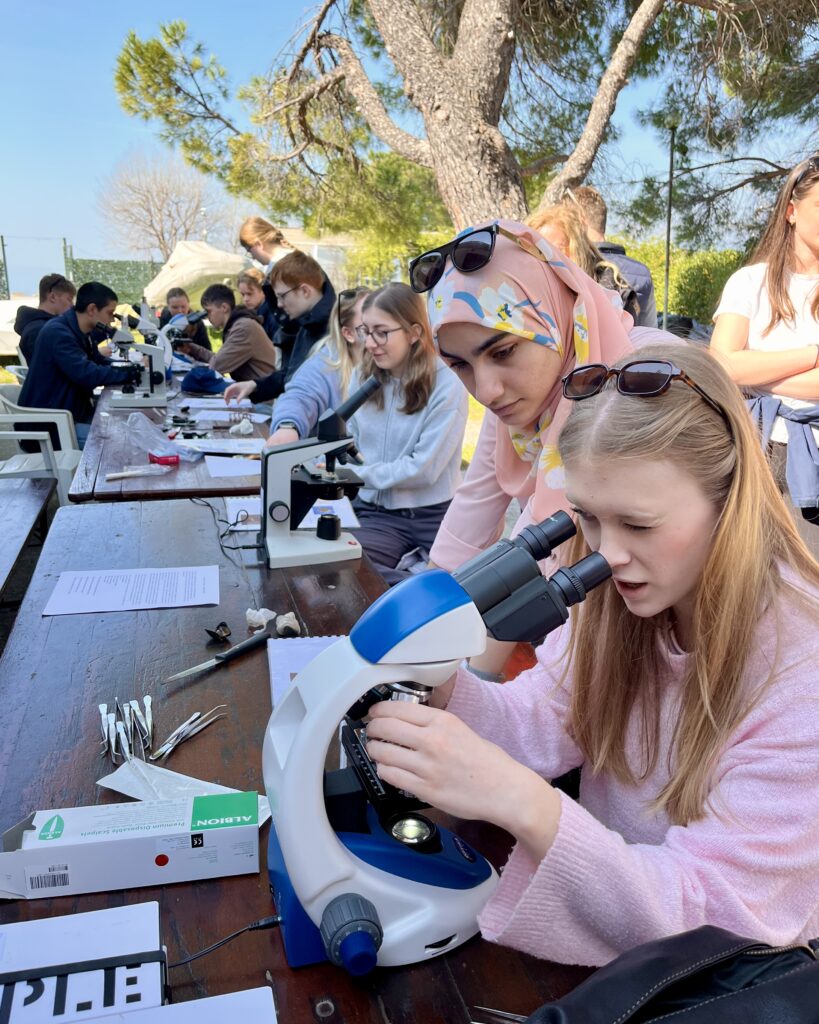
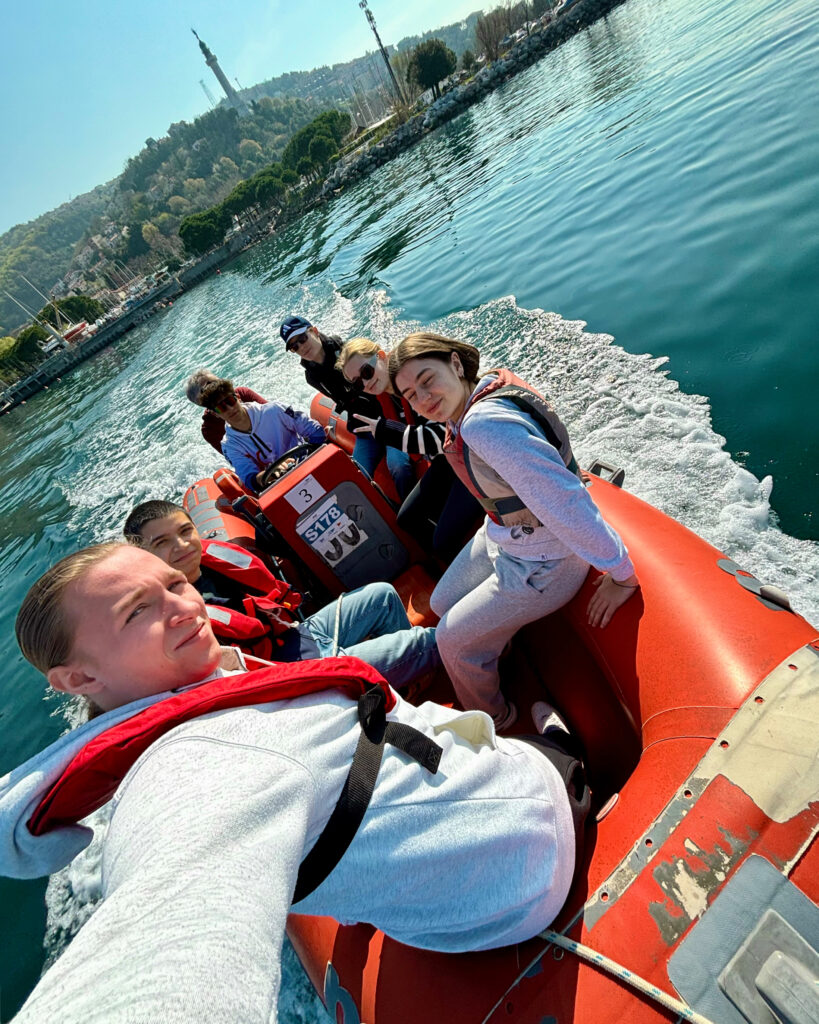
On Wednesday, our biochemistry students, together with their Swedish peers, will carry out fieldwork at the YC-TPK Sirena, where they will collect seawater samples and isolate and classify plankton. In the following days, they will analyze water hardness and salinity in the school laboratories.
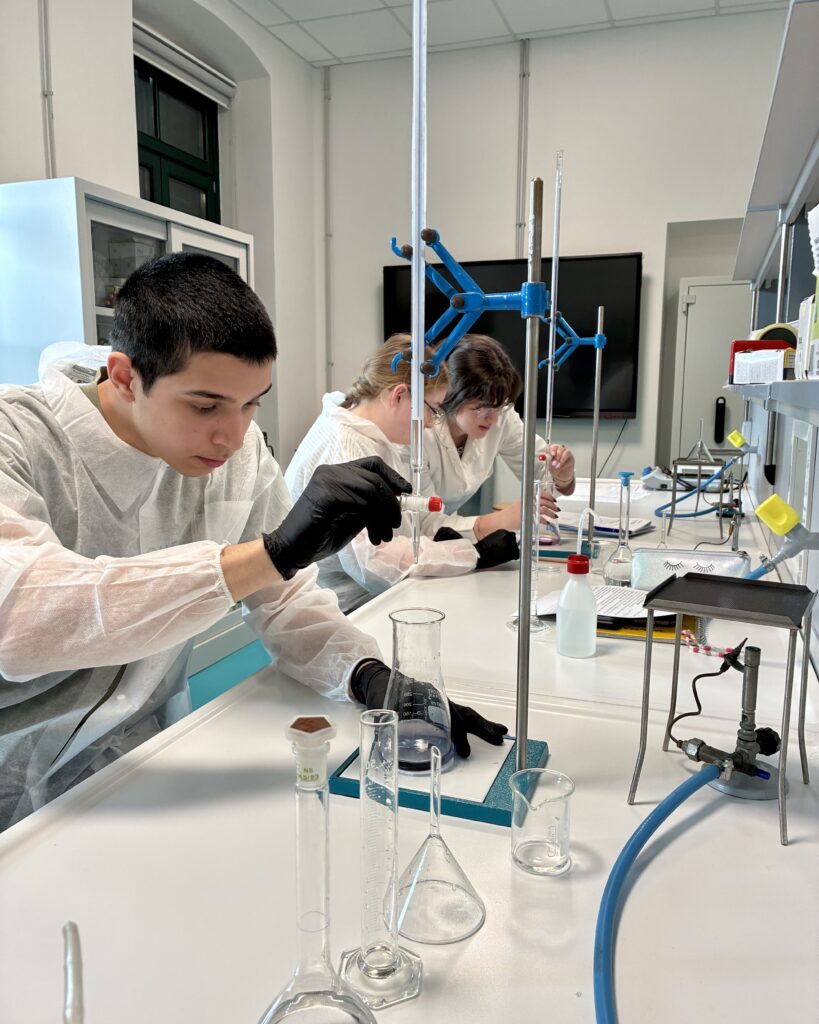
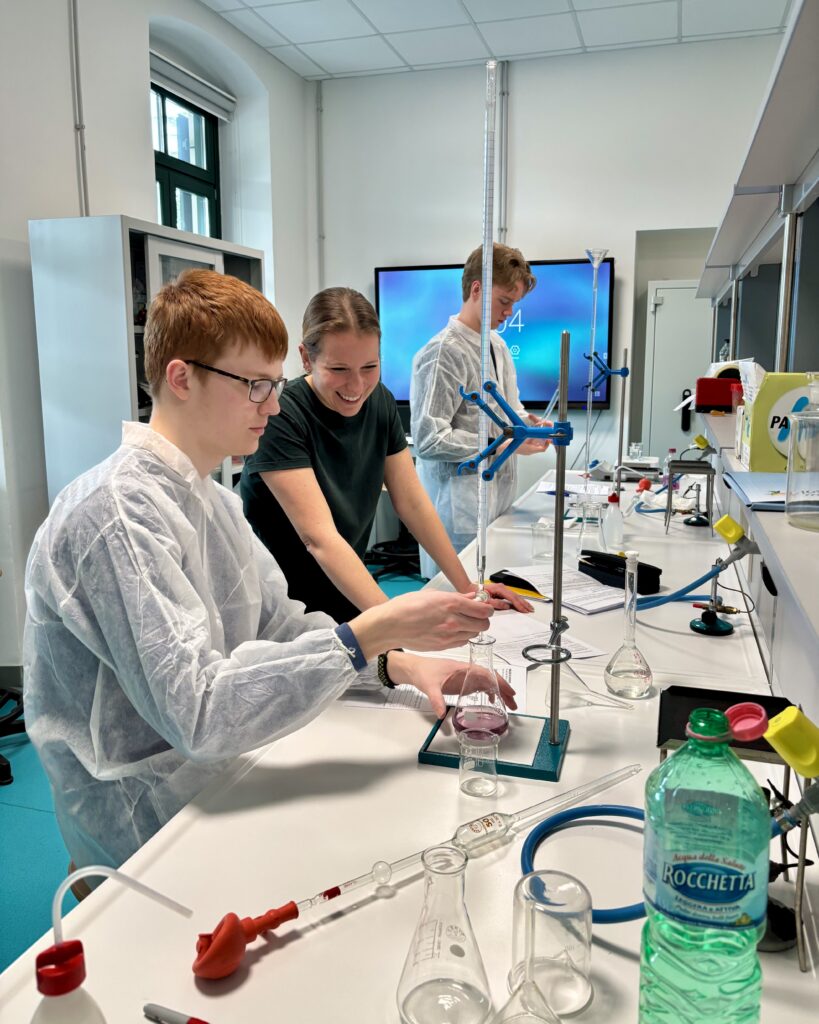
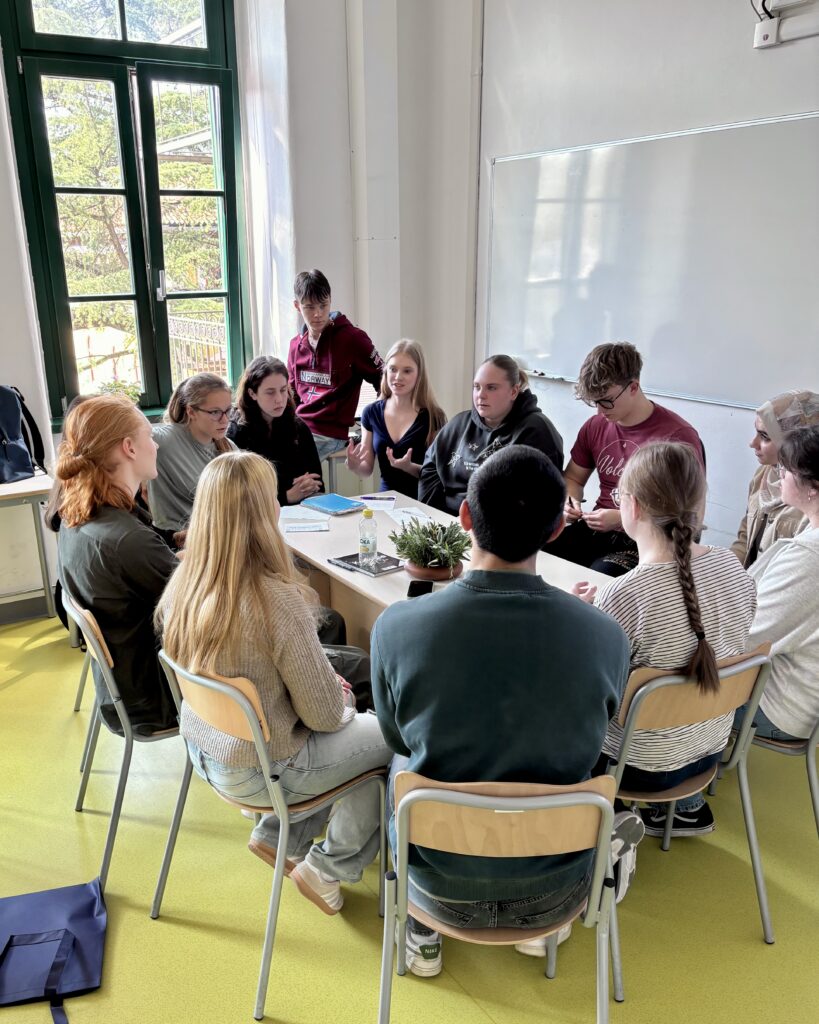
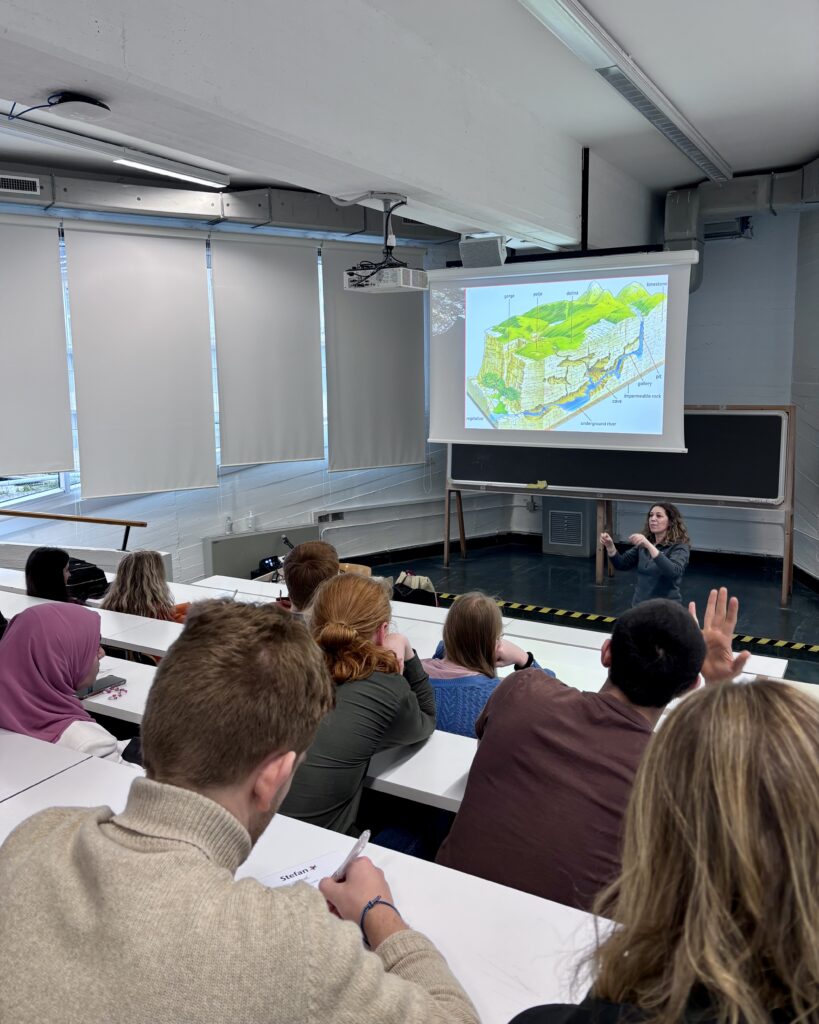
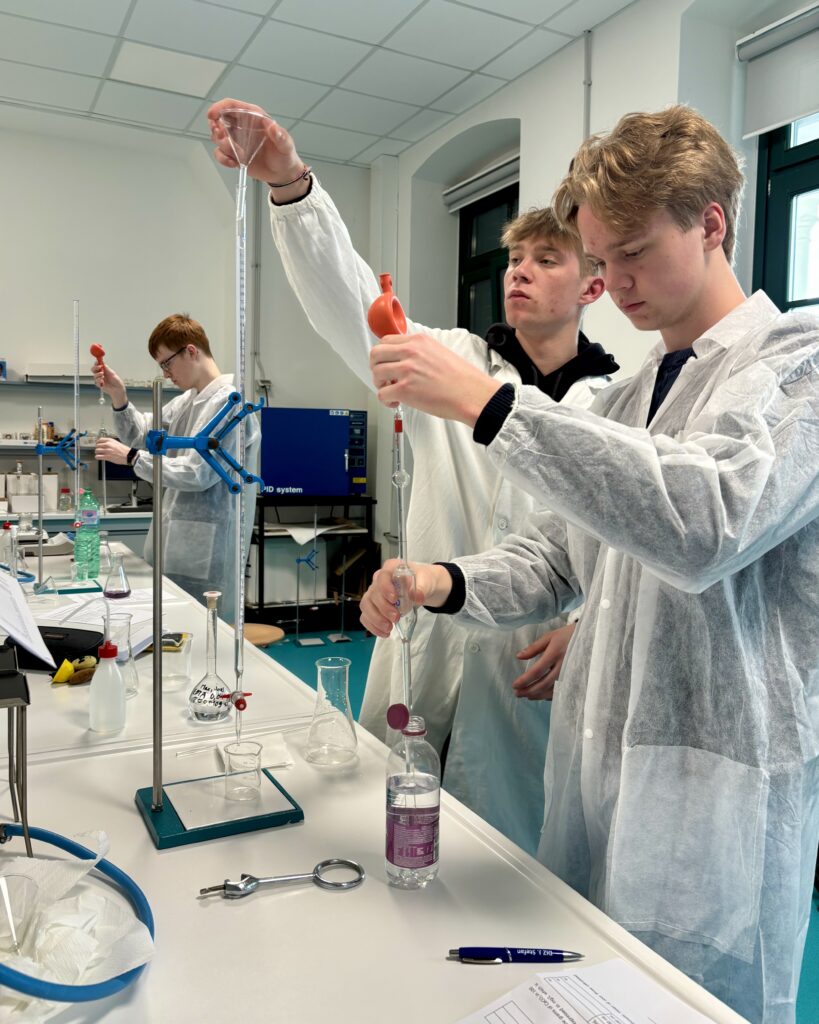
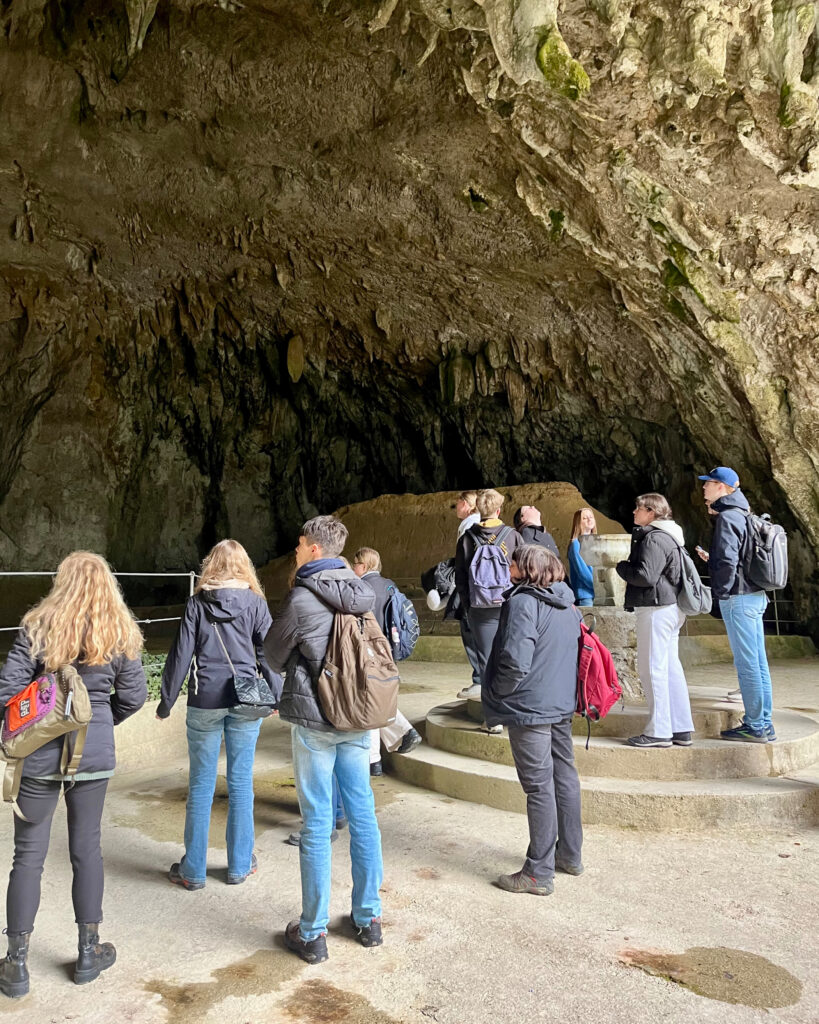
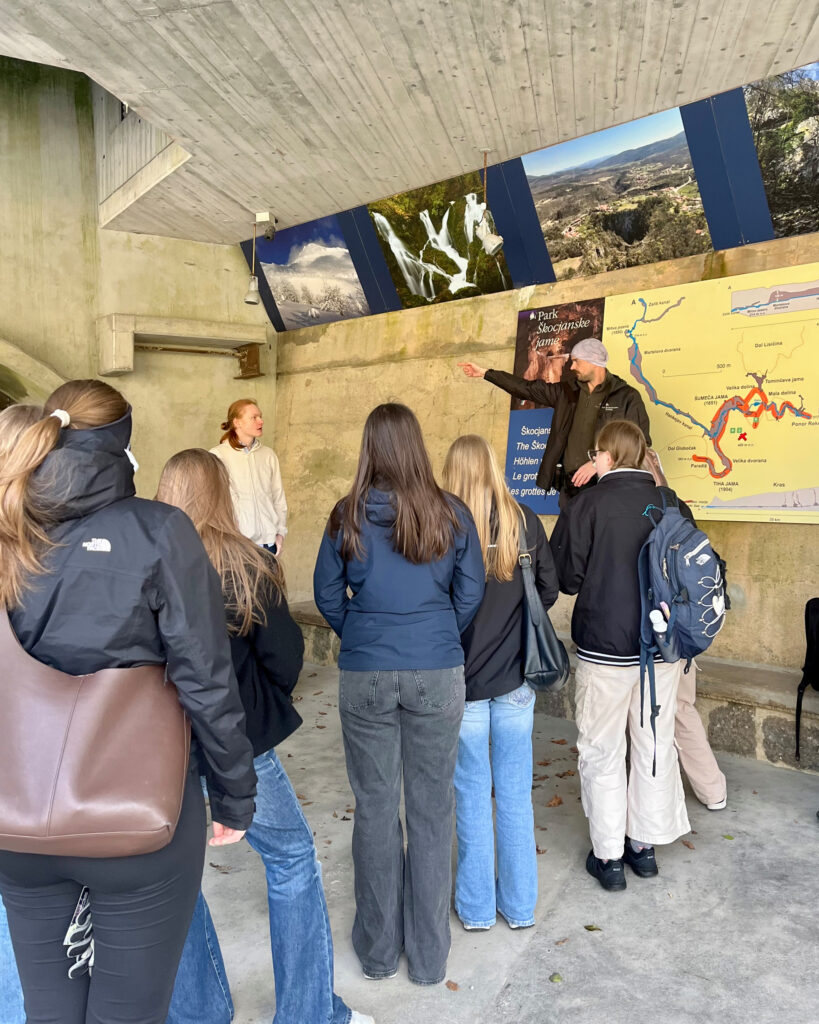
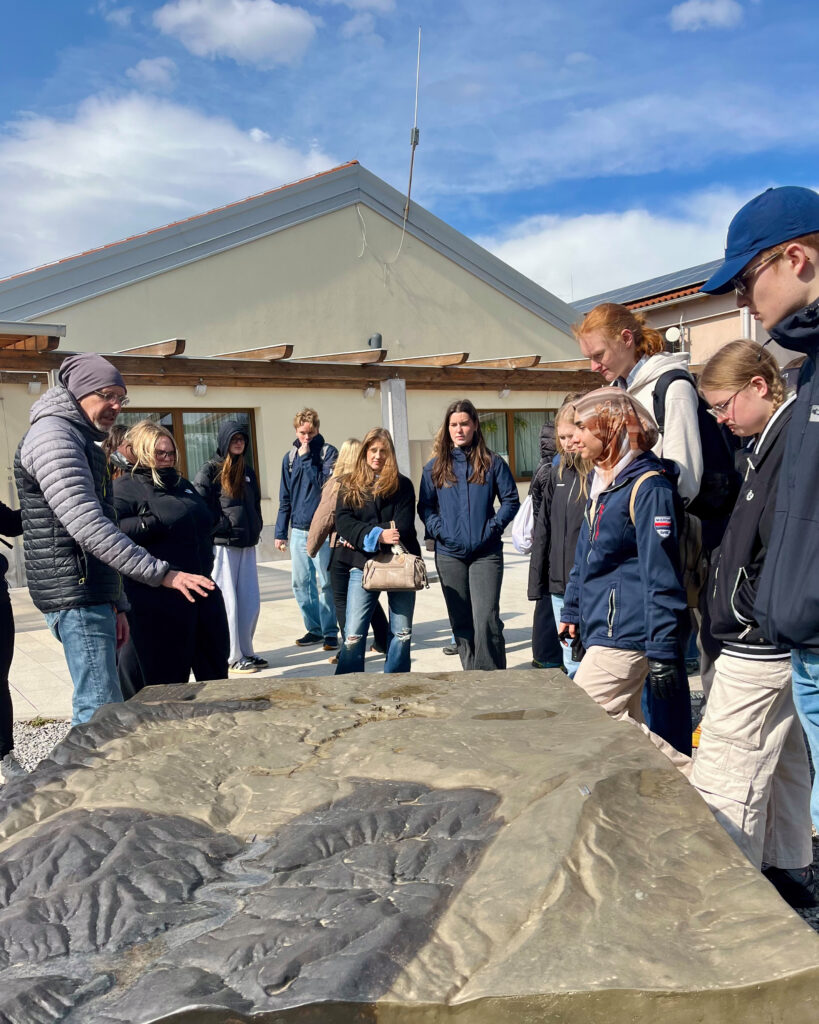
On Tuesday and Thursday mornings, students will work in mixed groups to conduct laboratory analyses. On Thursday afternoon, we will visit the Faculty of Natural Sciences at the University of Trieste, where we will take part in the Hypogean Day, dedicated to presenting the underground environments of Friuli Venezia Giulia, with special emphasis on the Timavo karst system. Students will be introduced to the ecological characteristics of hypogean habitats, watch a short documentary about the discovery of the Luftloch cave, and participate in an interactive discussion. They will also learn about tracing techniques used to study underground water systems, as well as current research on cave fauna and the presence of microplastics in subterranean ecosystems. On Friday, we will visit the Škocjan Caves, where, after a lecture on karst science, they will take part in a guided tour of the caves.
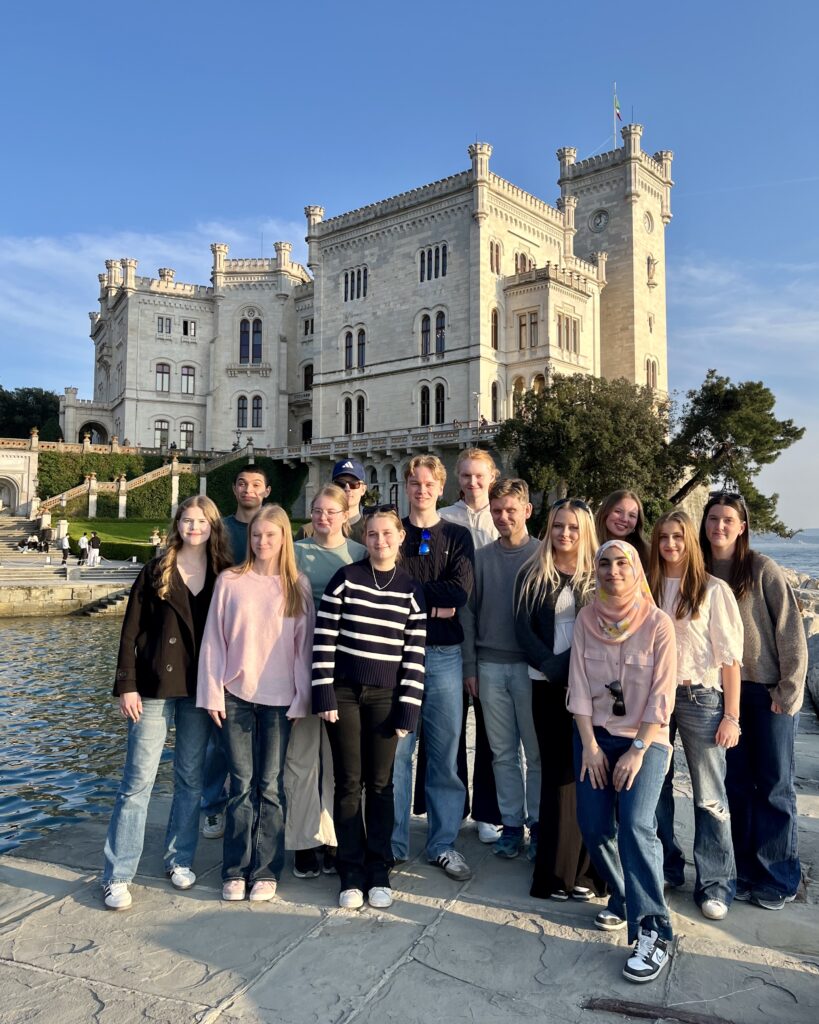
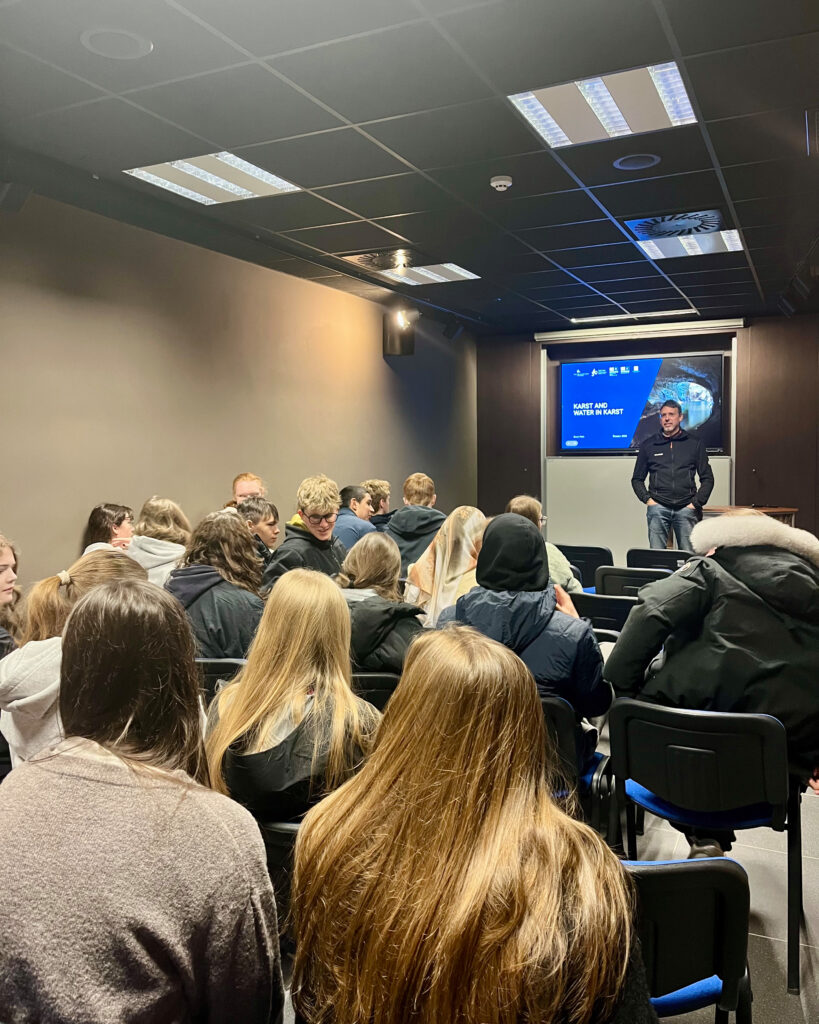
Link to the TV report
Article about the project activities in Primorski dnevnik, 29.3.2026, p. 9.
Article about the Erasmus+ project Pure Water, Clear Future, in the weekly Novi glas, 2. April 2026, p. 14.
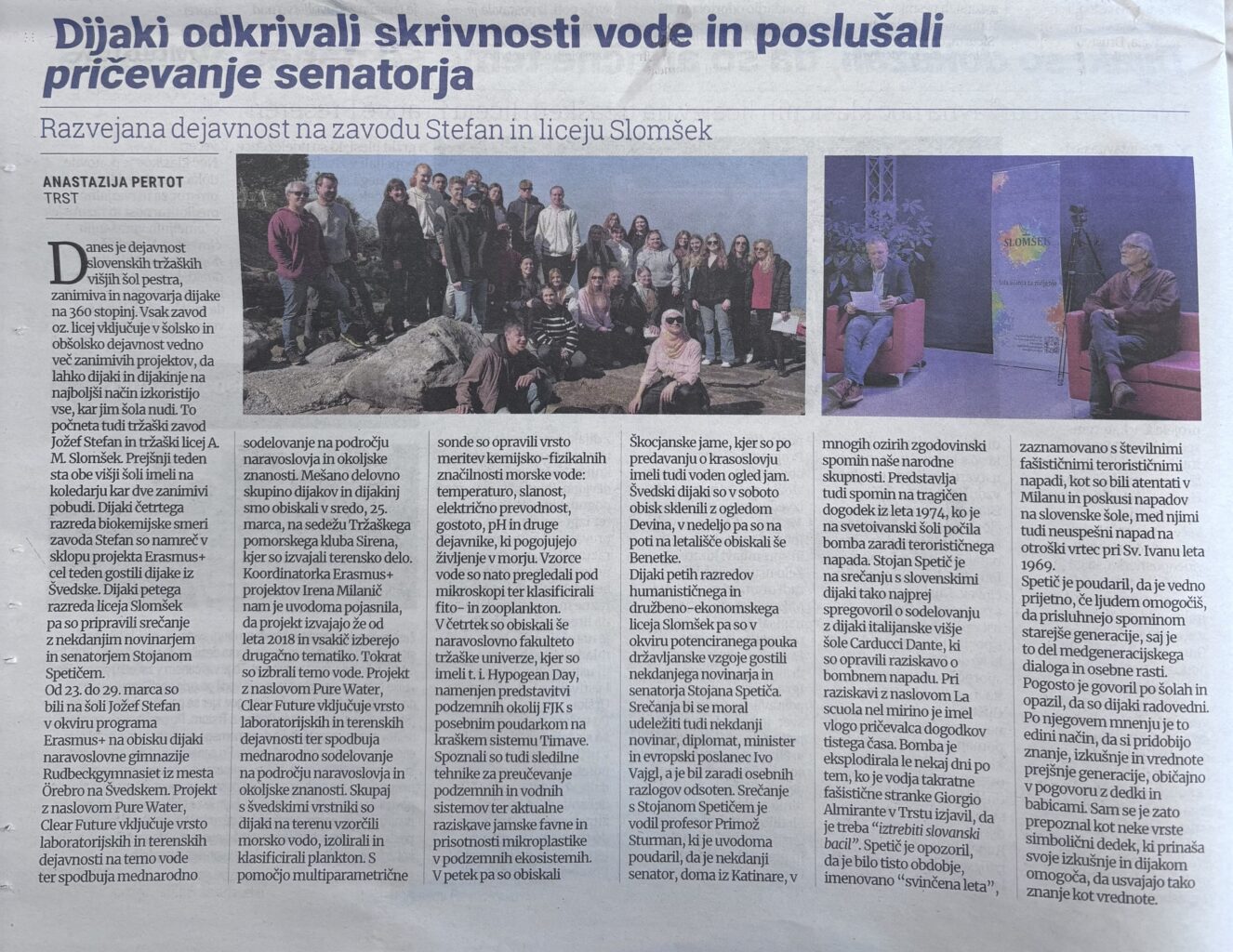
https://www.noviglas.eu/dijaki-odkrivali-skrivnosti-vode-poslusali-pricevanje-senatorja/