into4IR (Innovative Teaching of the 4th Industrial Revolution)
Mobility in Trieste: 12 – 18 april 2026
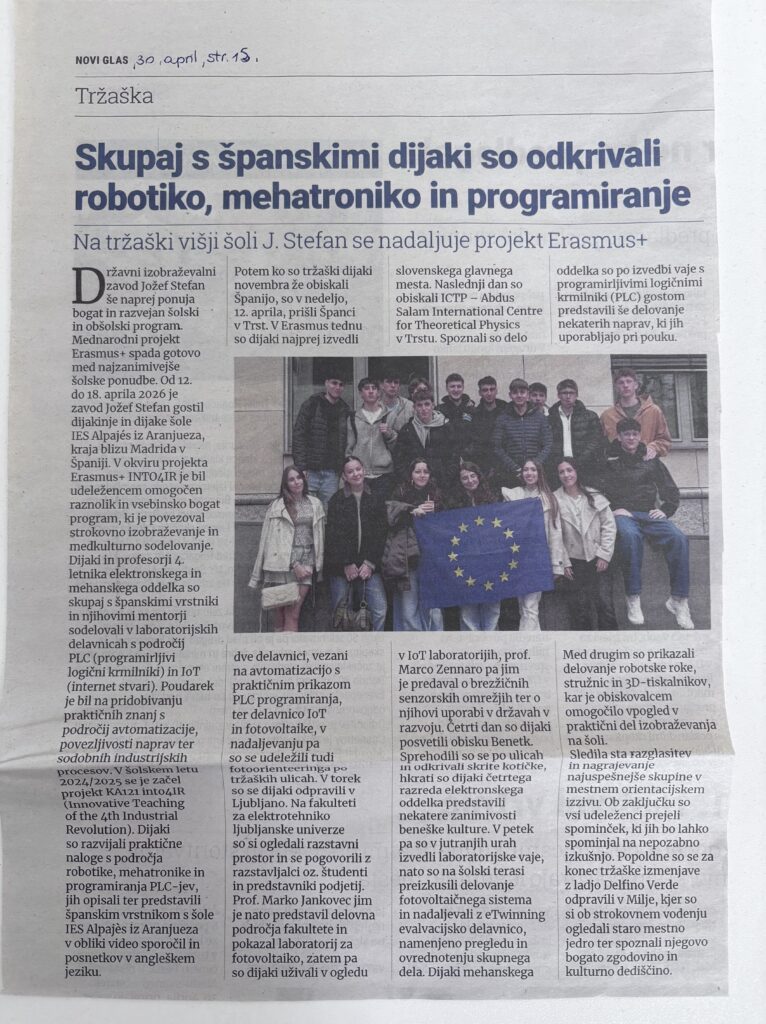
Article about the mobility in Trieste , weekly Novi Glas, 30.4.2025, page 15
A video summary of the week
https://youtube.com/shorts/ph–Pb97DmU?feature=share
Article about the mobility in Trieste, Primorski dnevnik 18.4.2026, page 10
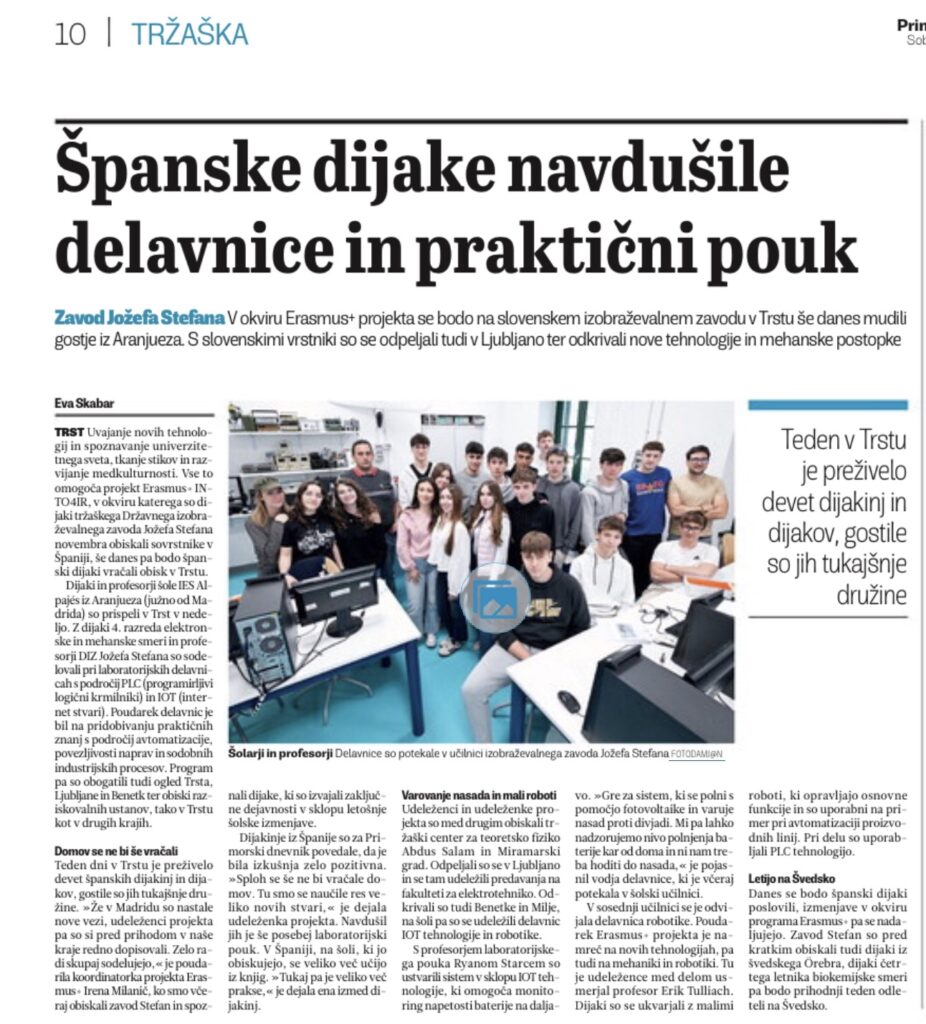
DAY 1
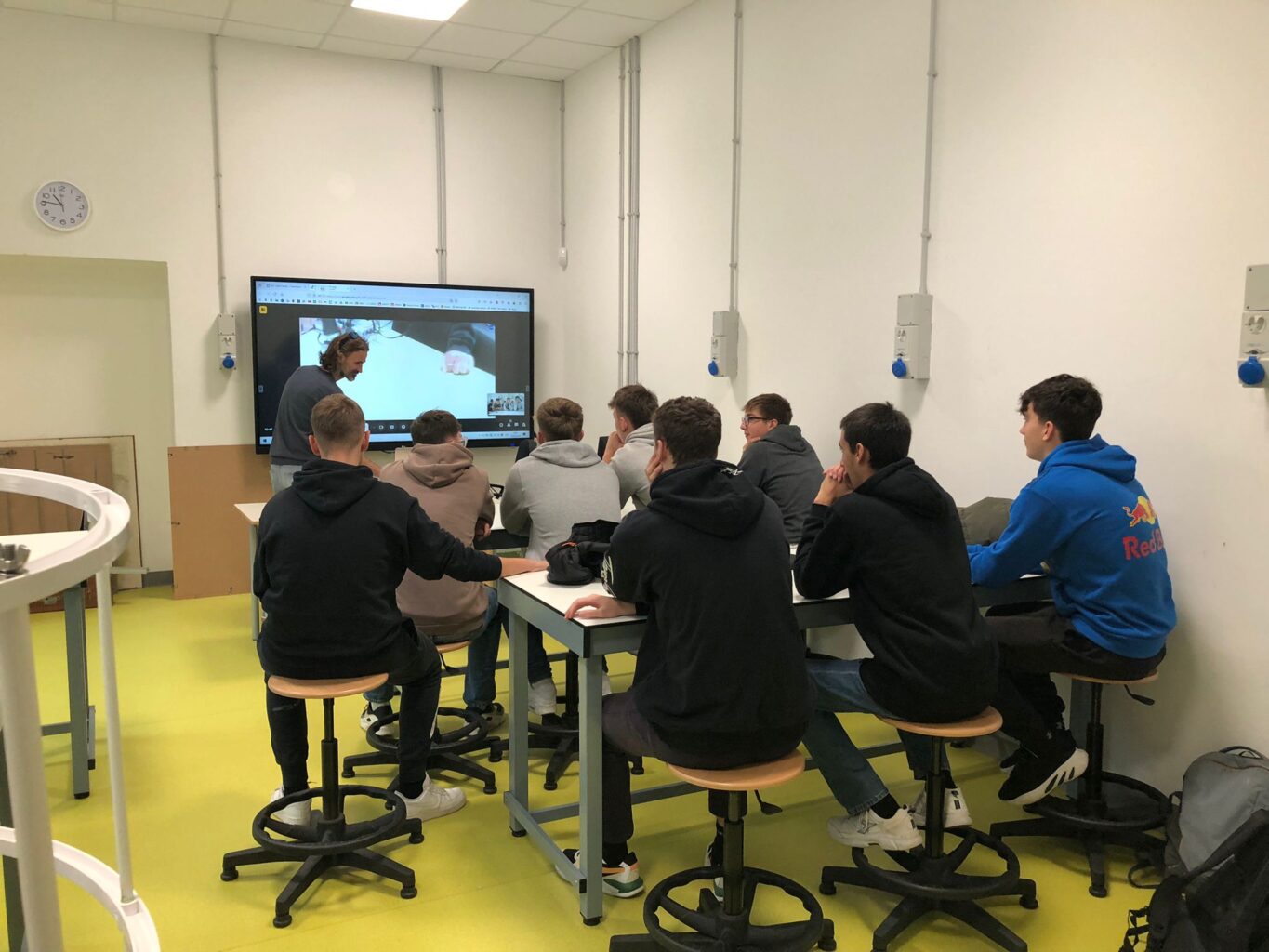
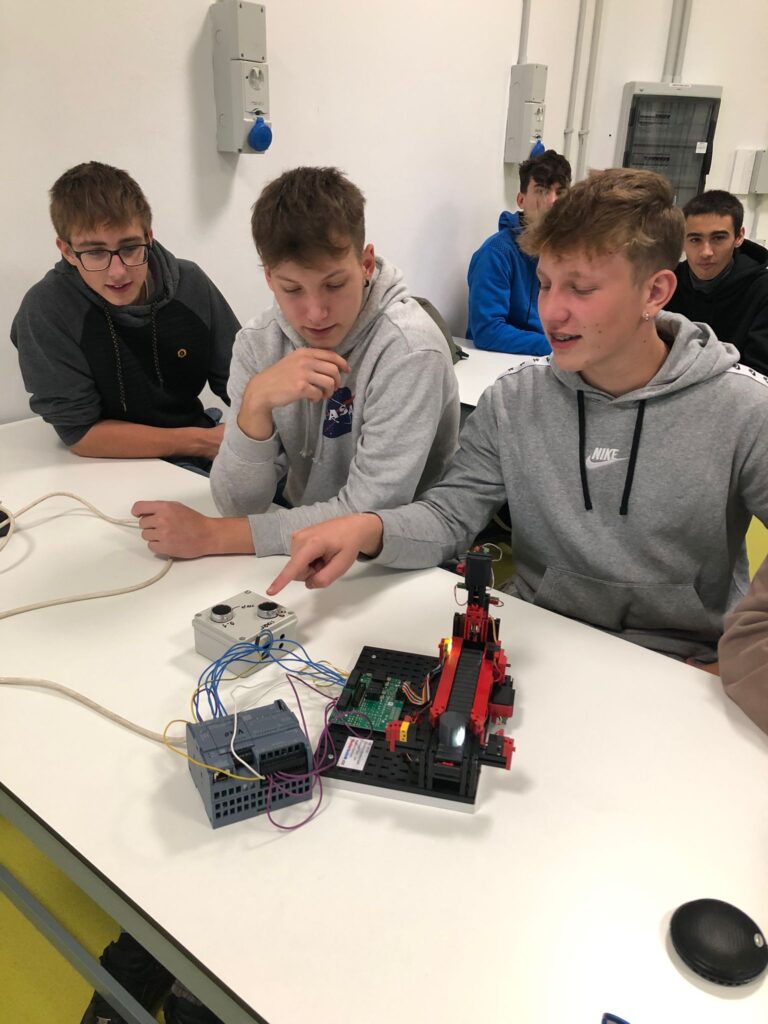
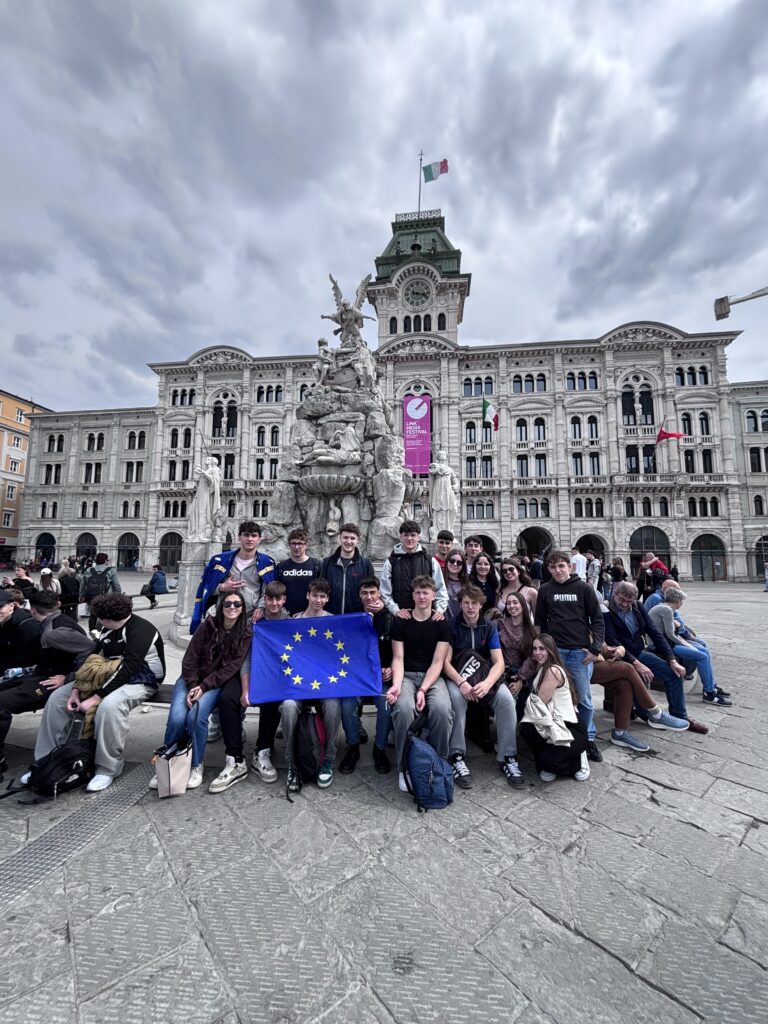
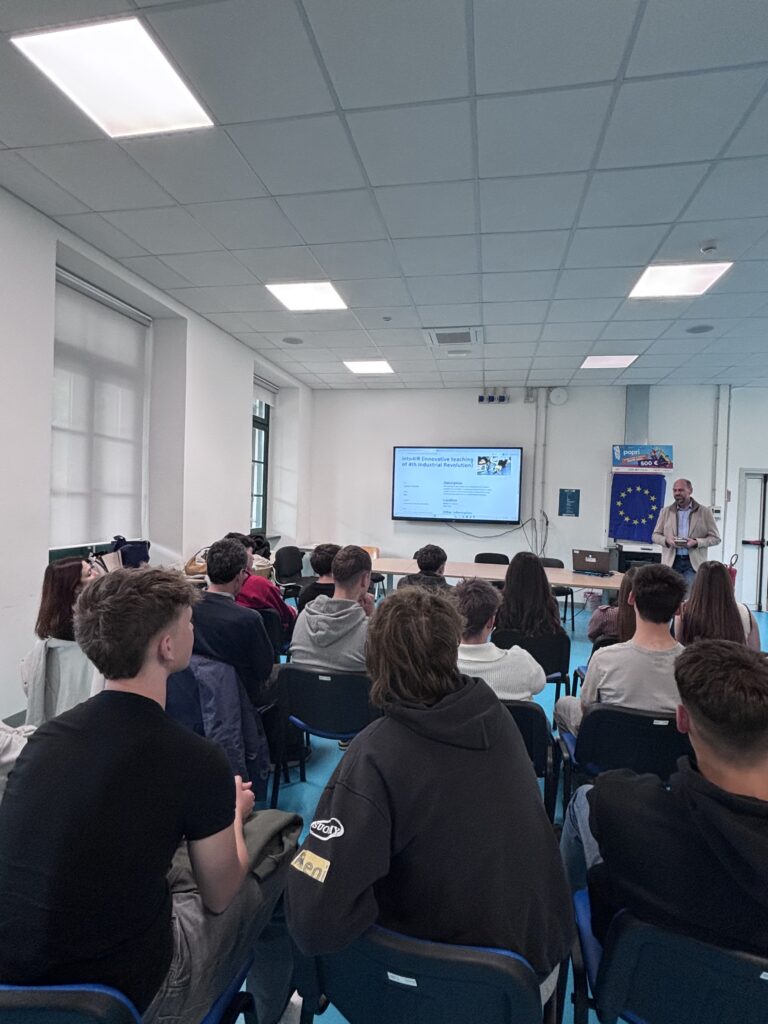
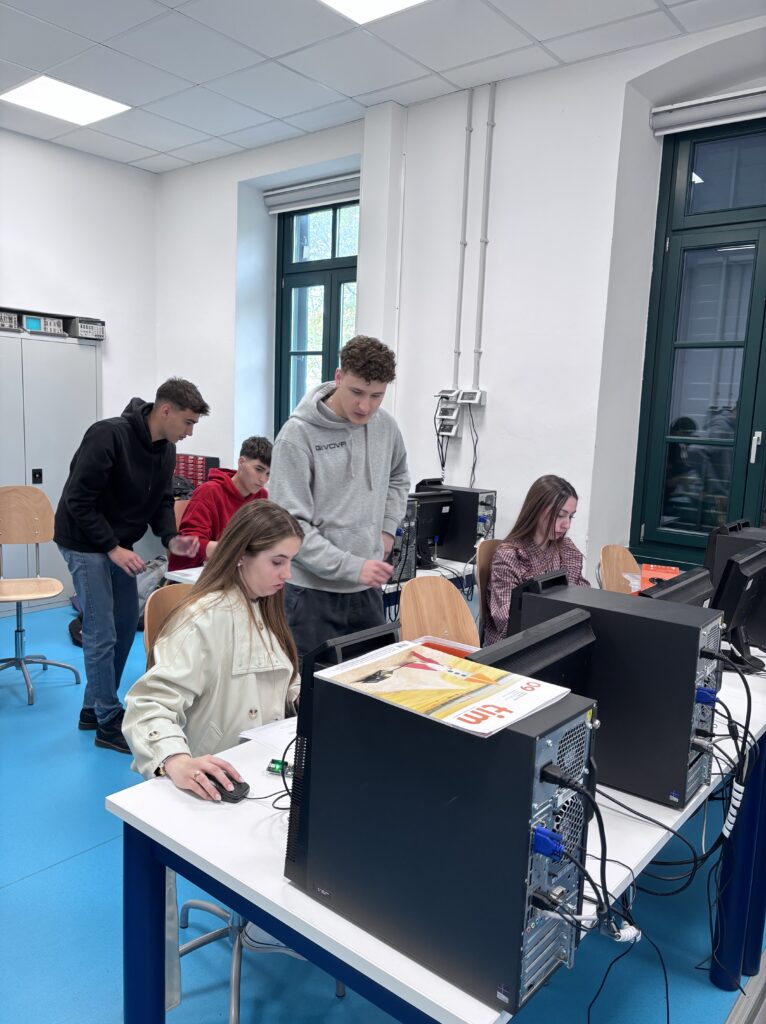
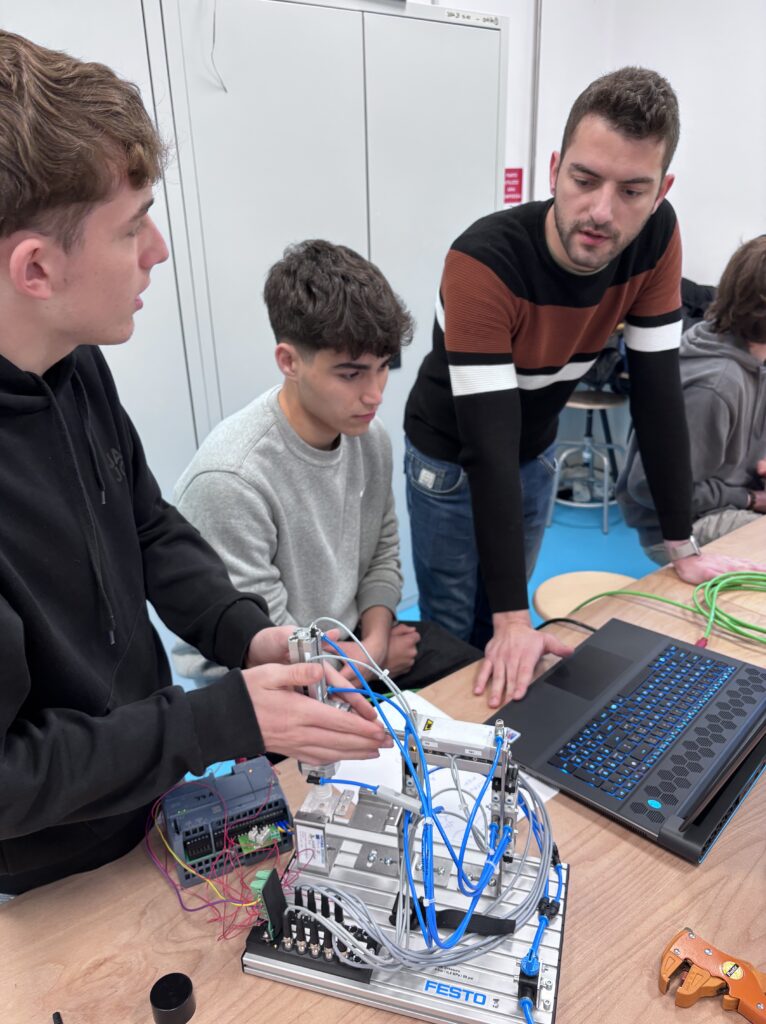
The second part of our joint Erasmus+ project Into4 IR (Innovative Teaching of the Fourth Industrial Revolution) began on Monday 13th April 2026. After the introductory activities, we started two laboratory sessions focused on PLC, IoT and photovoltaics. We enjoyed a potluck lunch featuring local delicacies before we set off on a photo-orienteering activity through the streets of Trieste.
DAY 2
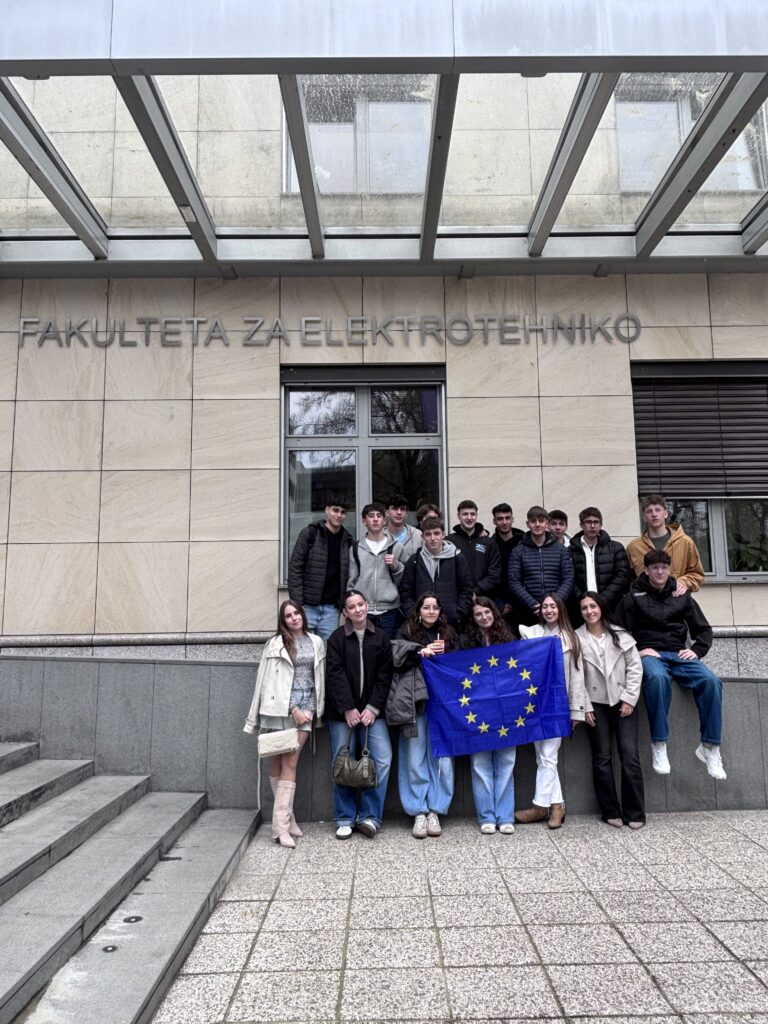
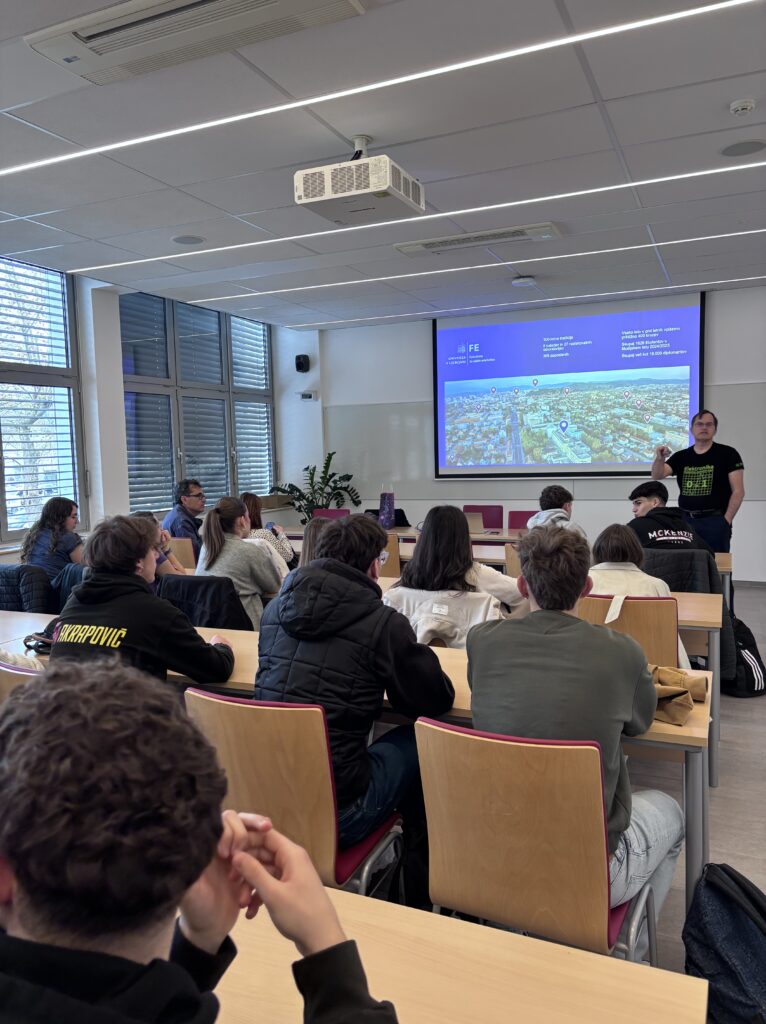
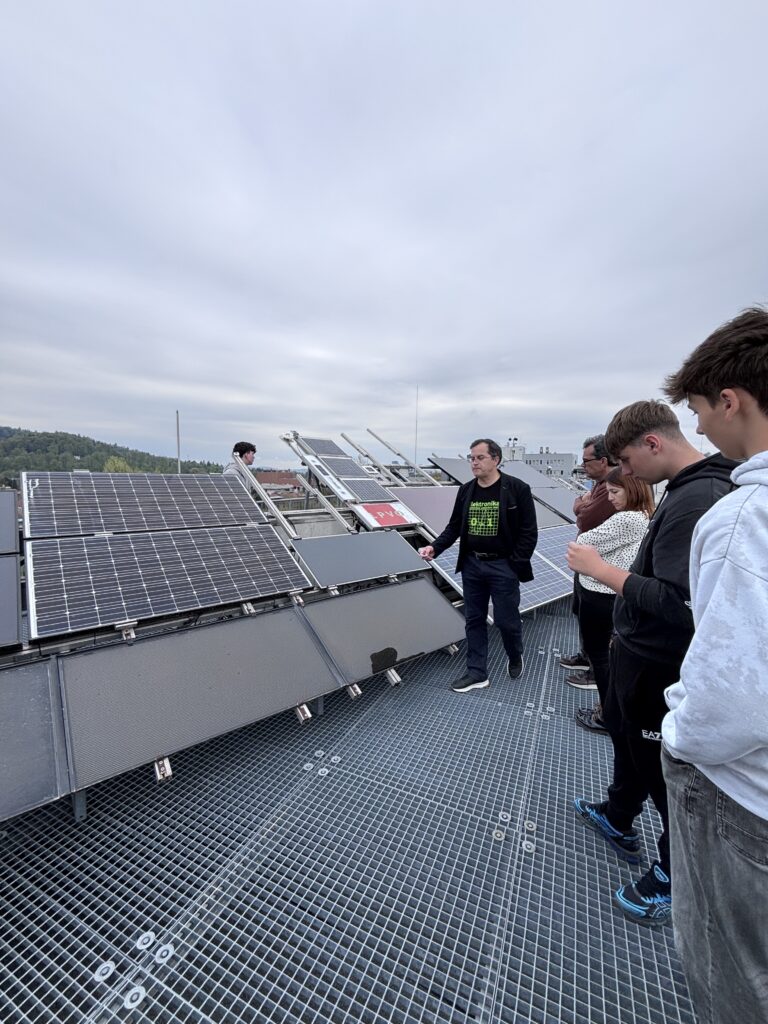
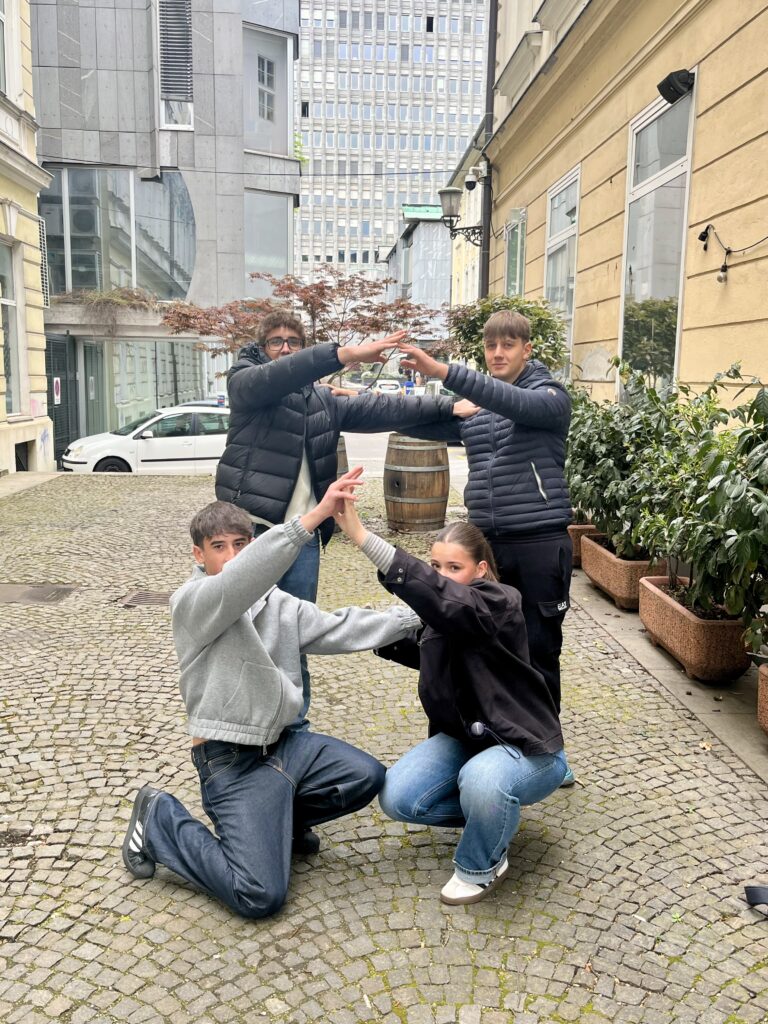
During the Month of Electrical Engineering at the Faculty of Electrical Engineering, we visited the exhibition space in the Faculty hall and spoke with exhibitors—students and company representatives. Then, Prof. Marko Jankovec presented the faculty’s areas of research in a very engaging way and showed us the photovoltaic laboratory. Afterwards, the students explored Ljubljana sites and tasted its local delicacies.
DAY 3
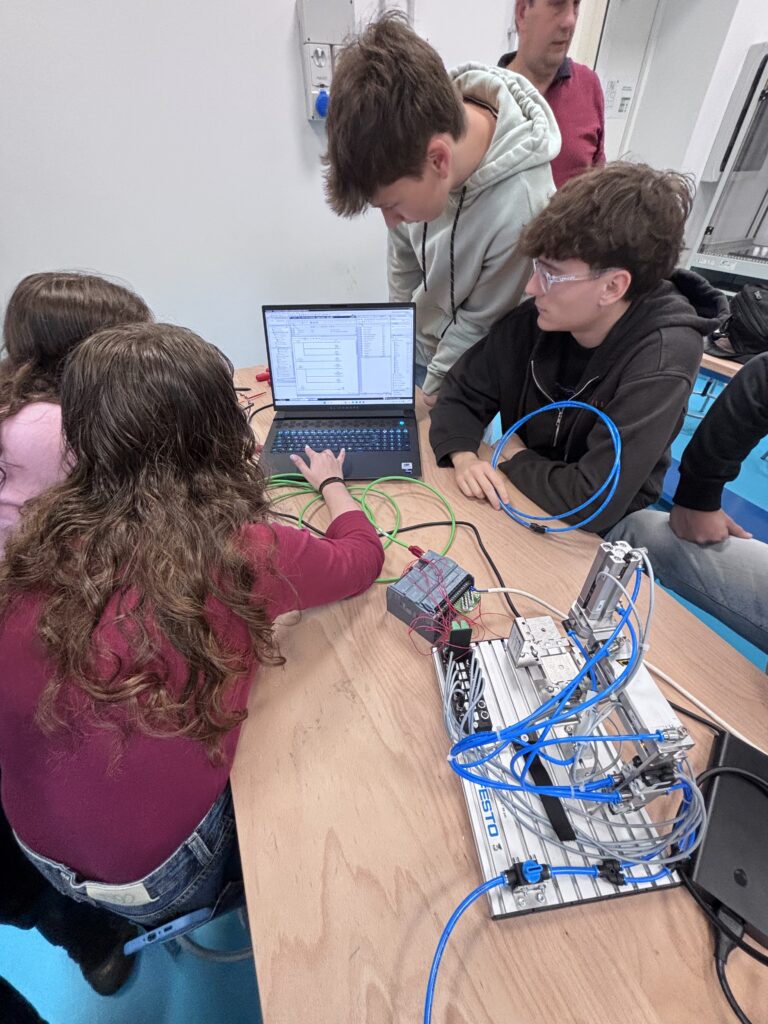
On Wednesday, we continued and completed the laboratory exercise in the field of PLCs, further upgrading the program with more advanced functionalities and more complex implementations.
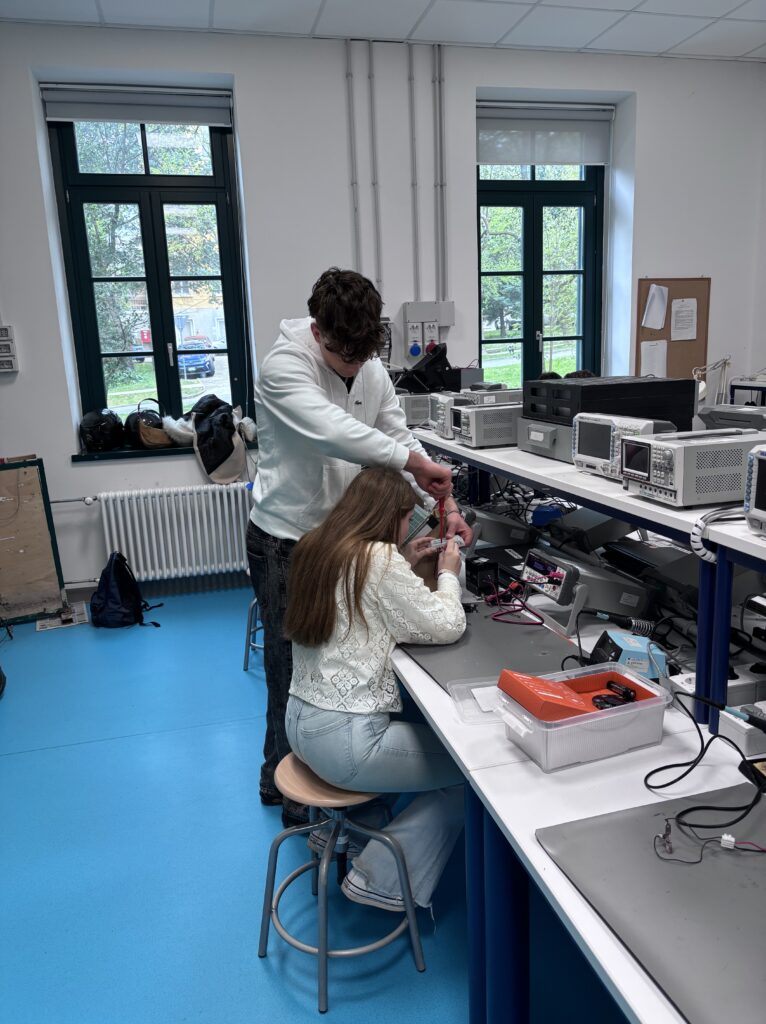
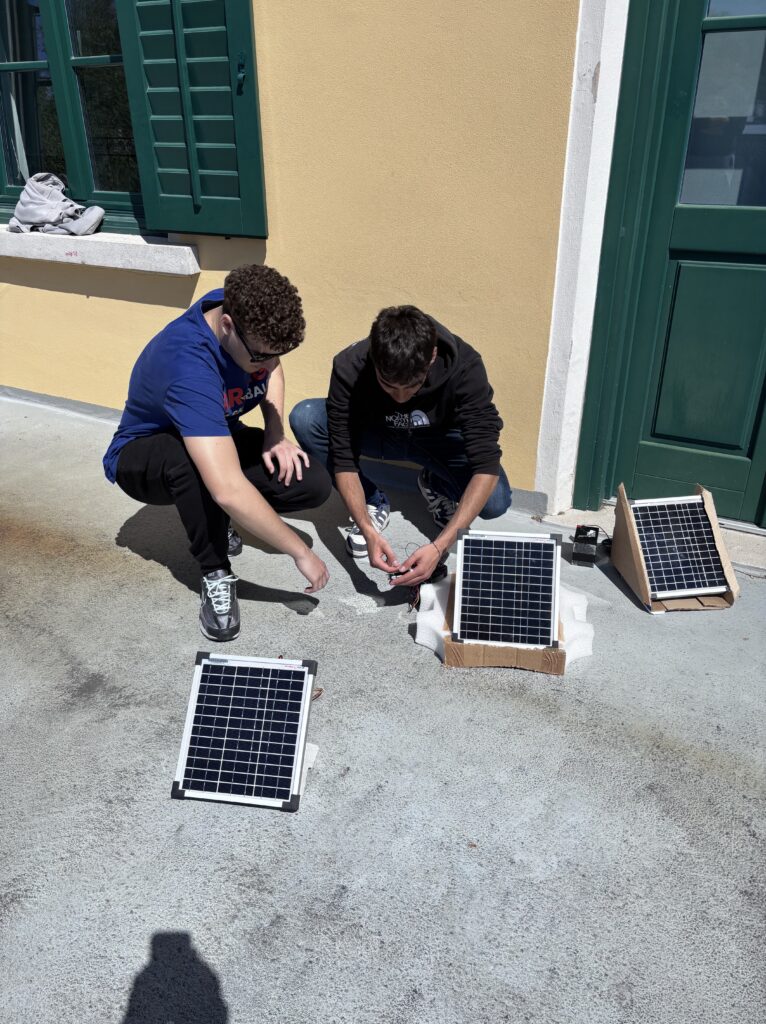
In the electronics laboratory, we first checked the operation of the program we had prepared on Monday. We then assembled a photovoltaic panel system, connecting the Arduino to our circuit, and we tested its operation. We checked whether the Arduino successfully sends battery charge status data to the cloud and whether our application correctly receives and processes this data.
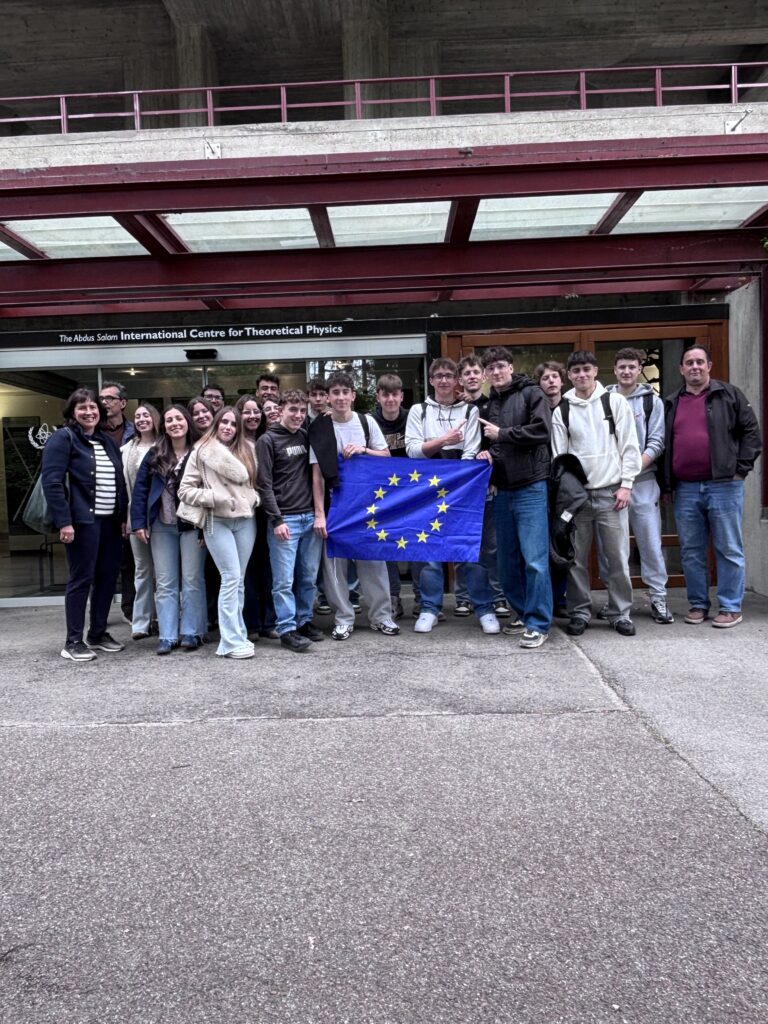
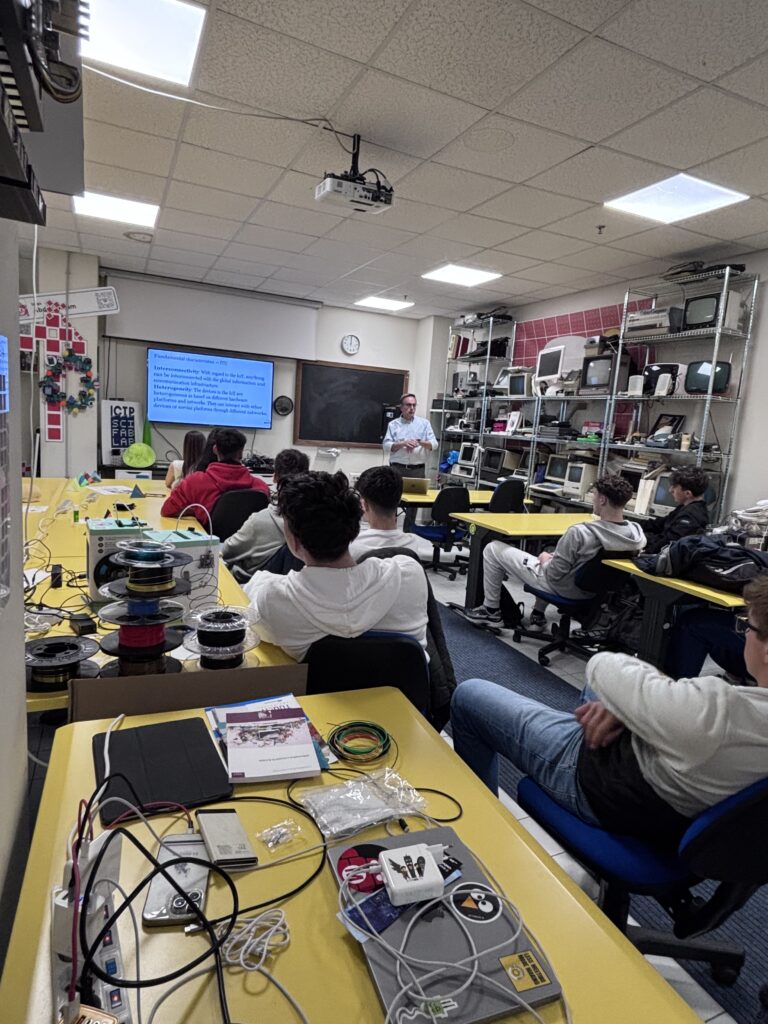
Afterwards, at the International Centre for Theoretical Physics (ICTP), we attended a lecture on IoT4D: Internet of Things for Developing Countries. Professor Dr. Marco Zennaro first presented the rapid development of the Internet of Things in an engaging way, from the concept of IoT to more advanced approaches such as IoT 2.0 (Intelligence of Things) and TinyML (Tiny Machine Learning). He particularly highlighted the key challenges that this development brings, such as secure data processing, privacy protection, and system reliability.
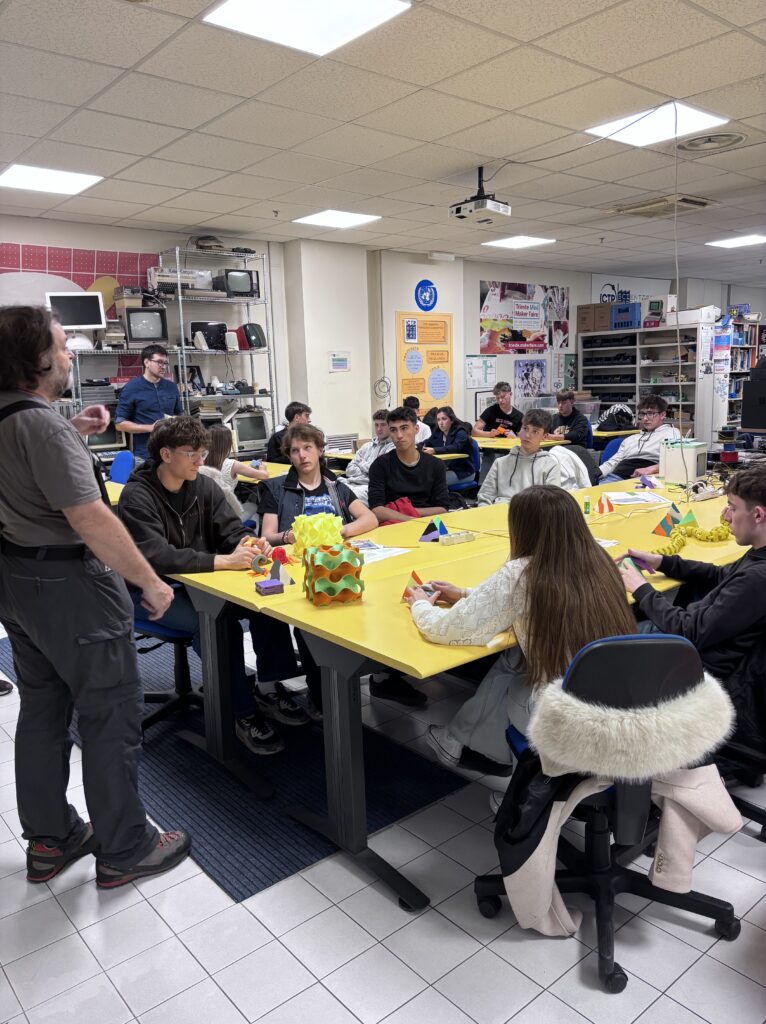
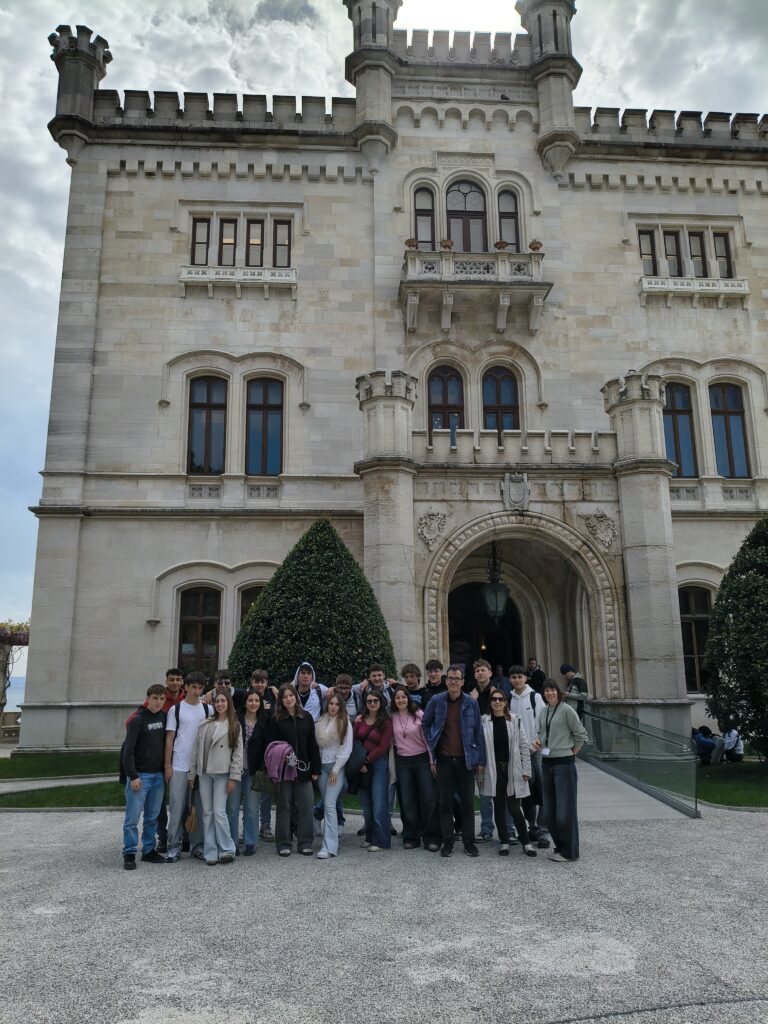
Next, we visited the 3D laboratory, where various applications of 3D printers and laser cutters were presented, along with their practical potential. The afternoon continued at Miramare Castle, where we immersed ourselves in local history.
DAY 4
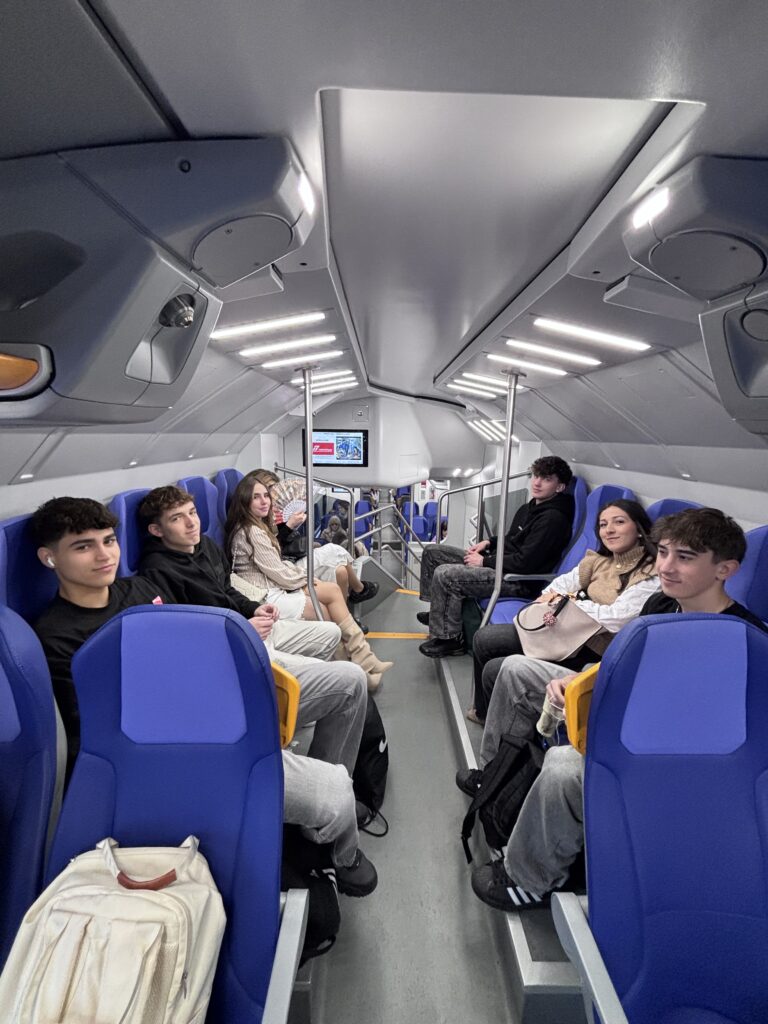
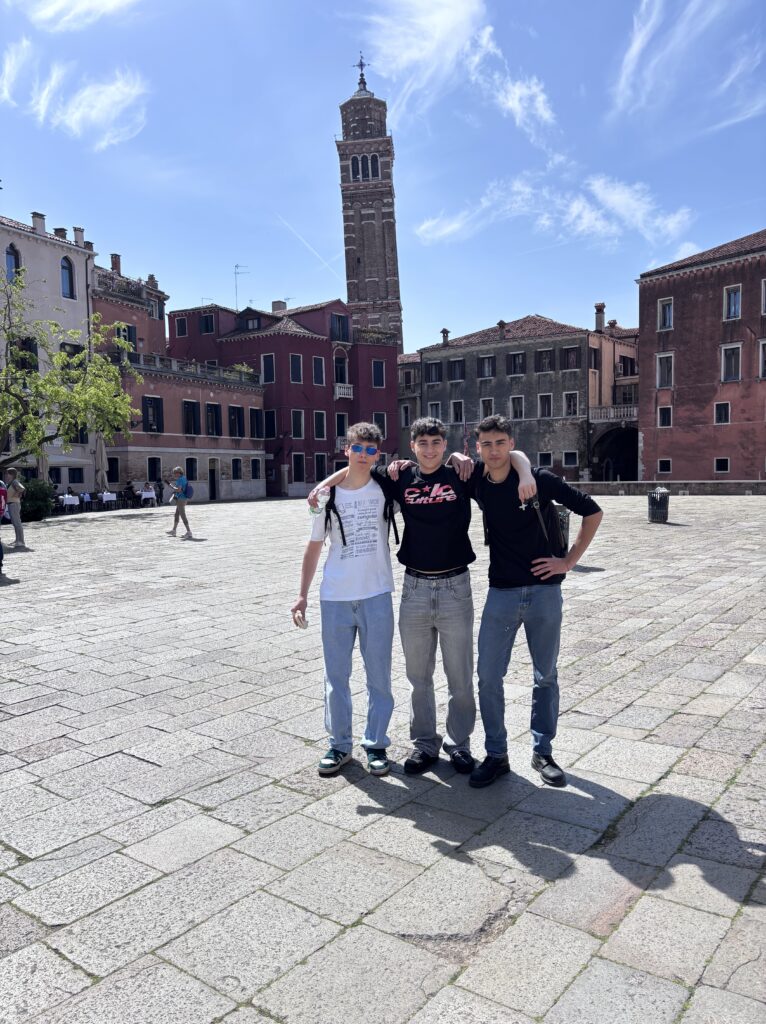
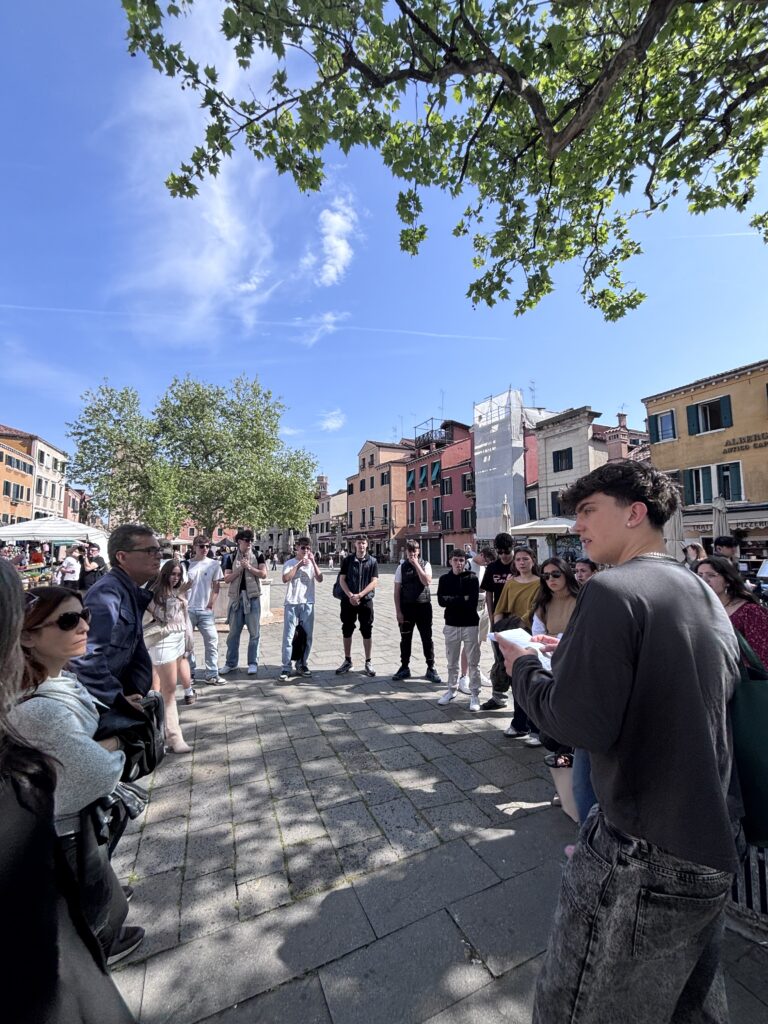
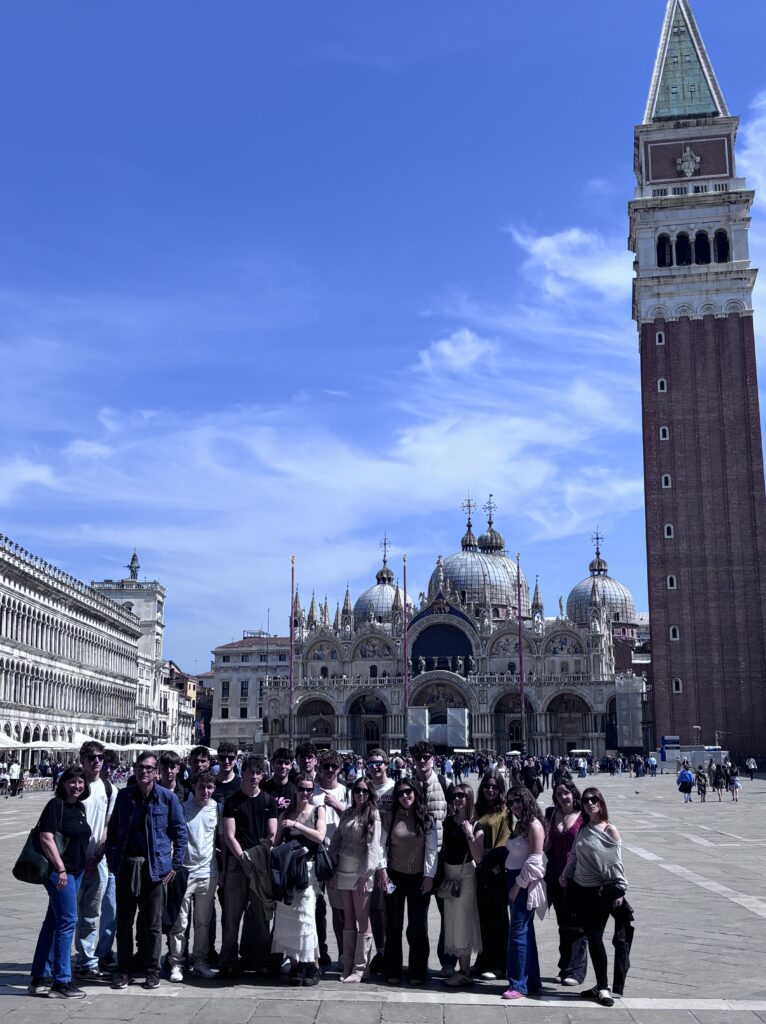
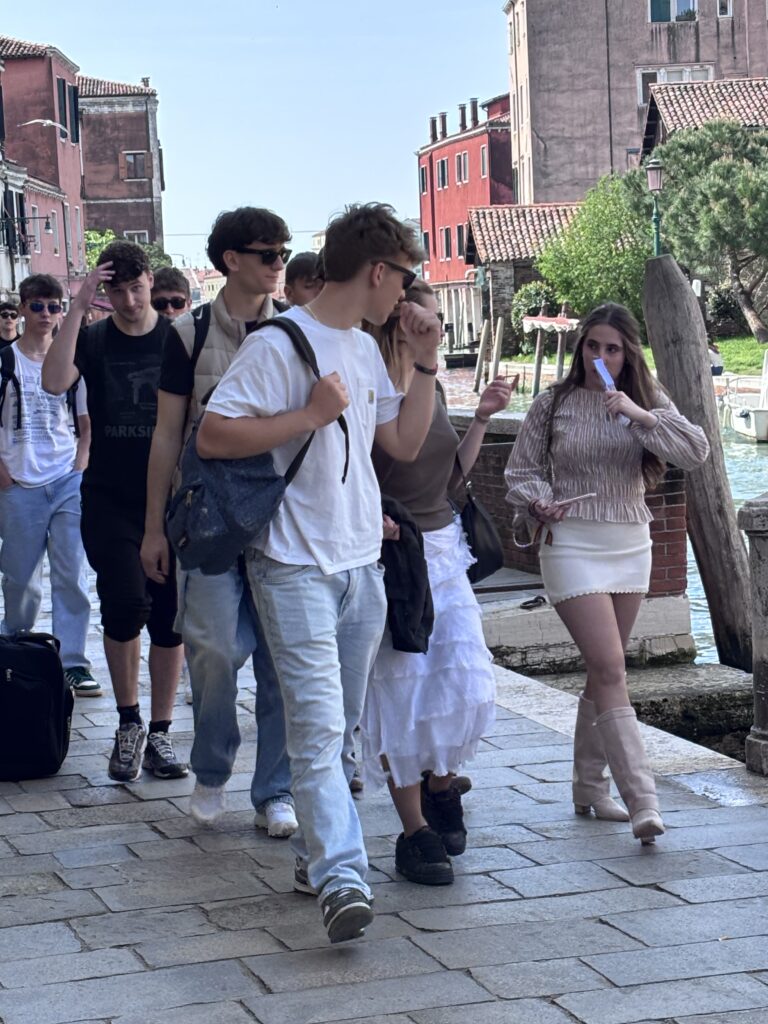
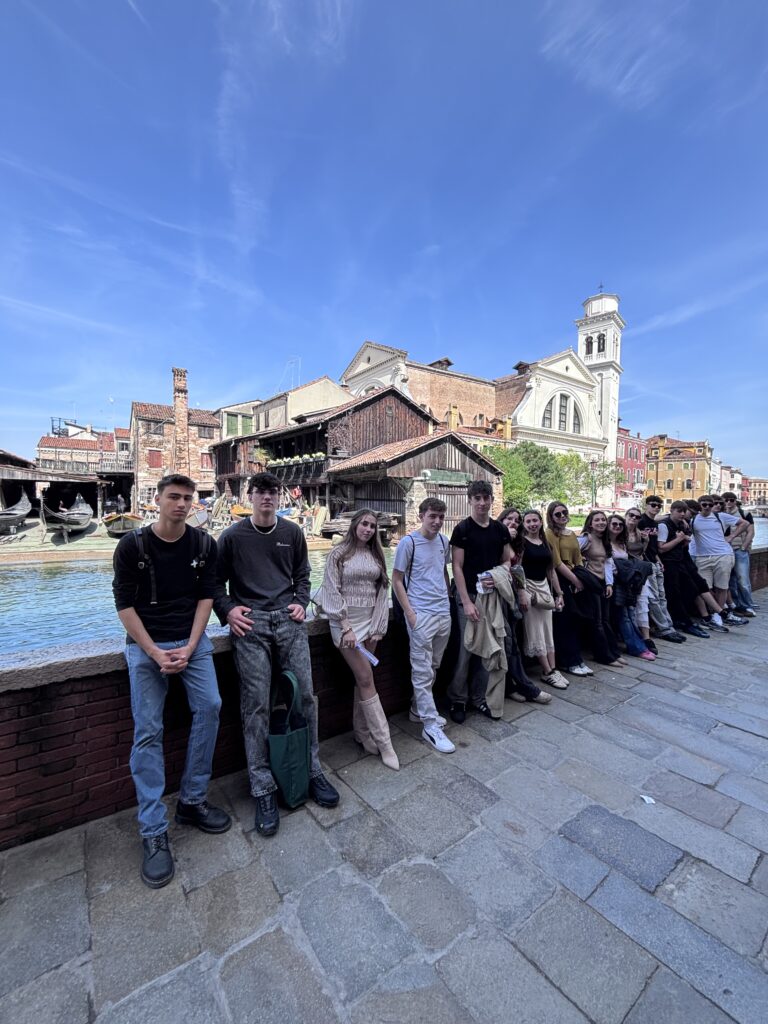
This day was dedicated to exploring Venice. We opted for a route off the beaten track, away from the usual tourist paths, discovering hidden corners and lesser-known parts of this enchanting city. All participants received a historical challenge on the train, focused on the history of Venice and the Venetian Republic. Students of 4th electronic class then presented a range of interesting aspects of Venetian culture at selected locations throughout the city.
DAY 5
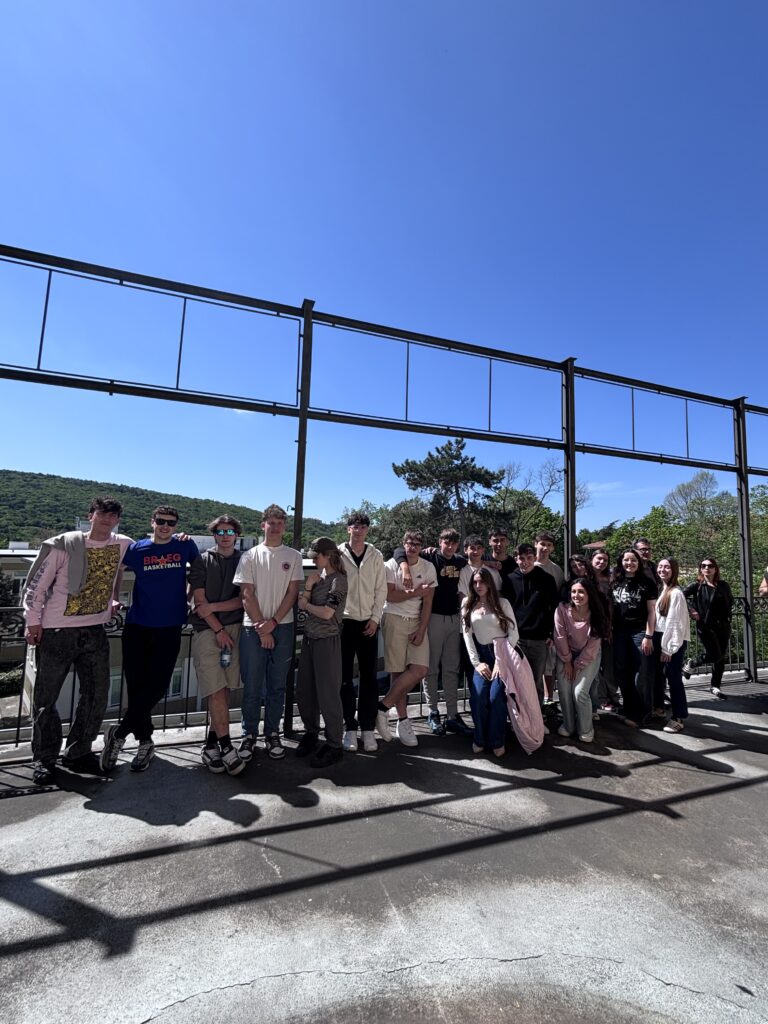
In the morning, we repeated both laboratory exercises with the Spanish students who had not done them yet. We tested the photovoltaic system on the school terrace, after which we held a self-assessing eTwinning workshop.
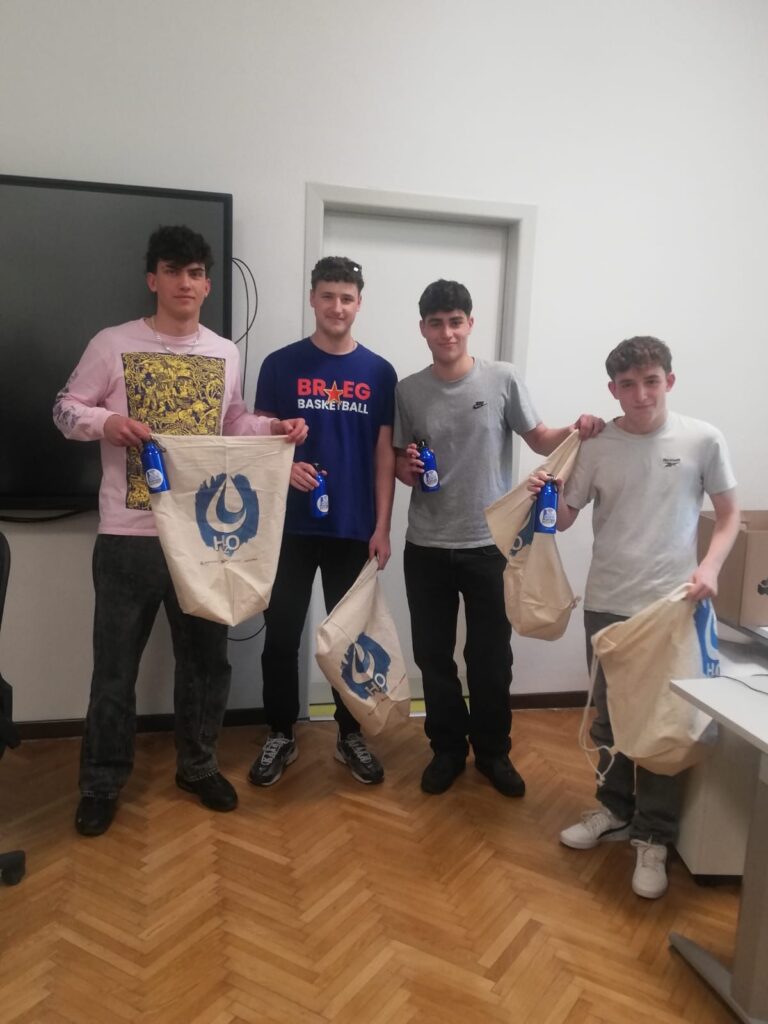
After completing the PLC exercise, the students from the mechanical section demonstrated to the guests how the machines at our school work, namely robotic arms, lathes, and 3D printers. This was followed by an award ceremony for the most successful group in the city orienteering event, and at the end we received a souvenir that will remind us of this unforgettable Erasmus+ experience.
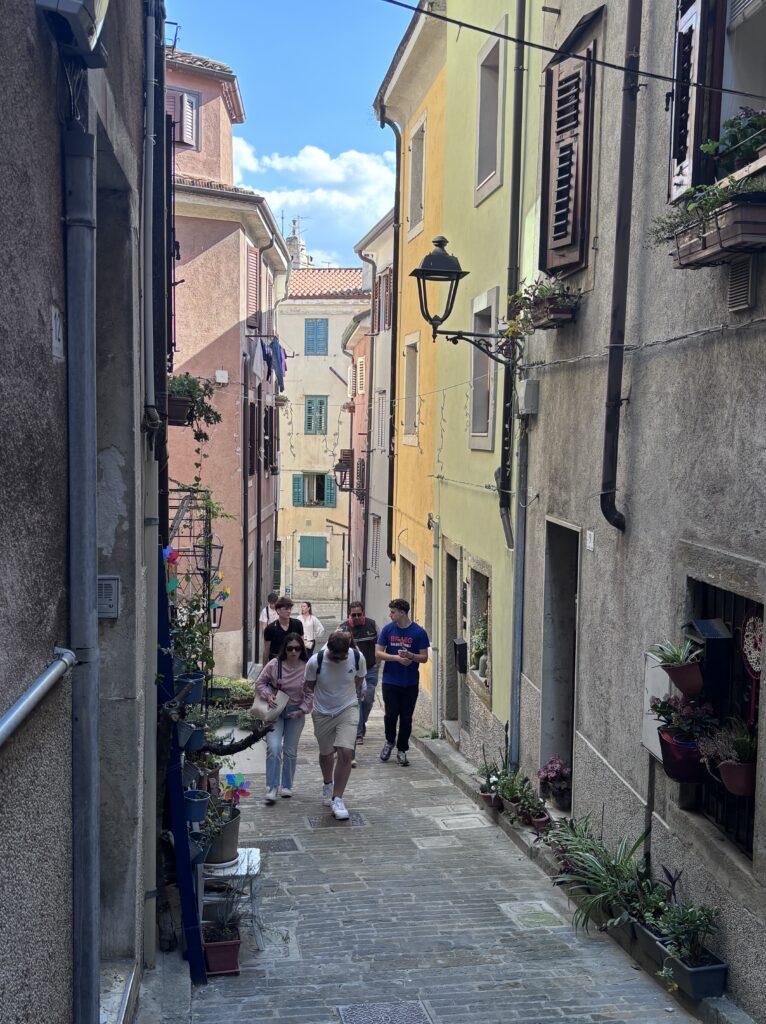
In the afternoon, we took the Delfino Verde to Muggia, where we had a guided tour of the old town center.
Mobility in Spain: 16- 23 november 2025
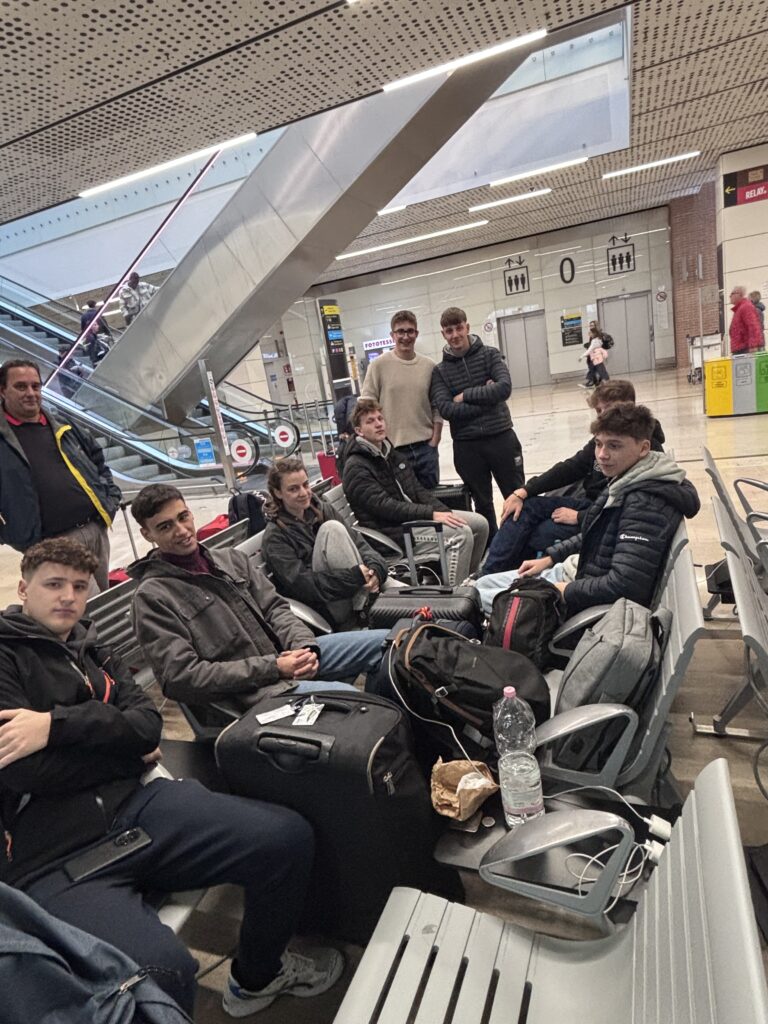
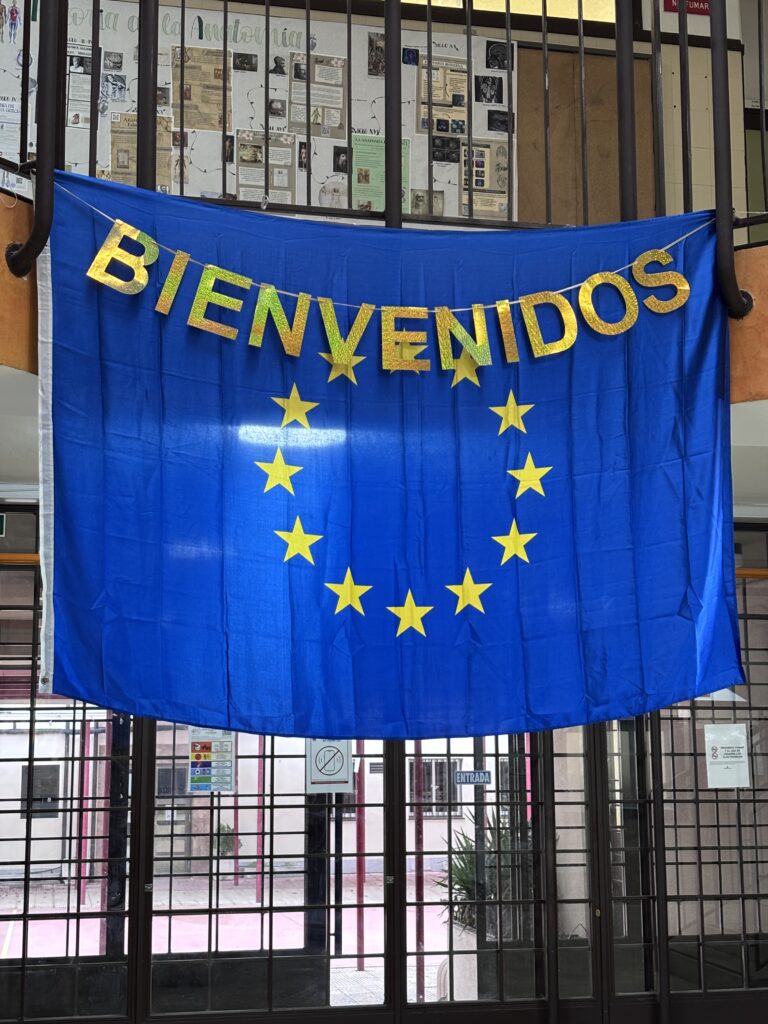
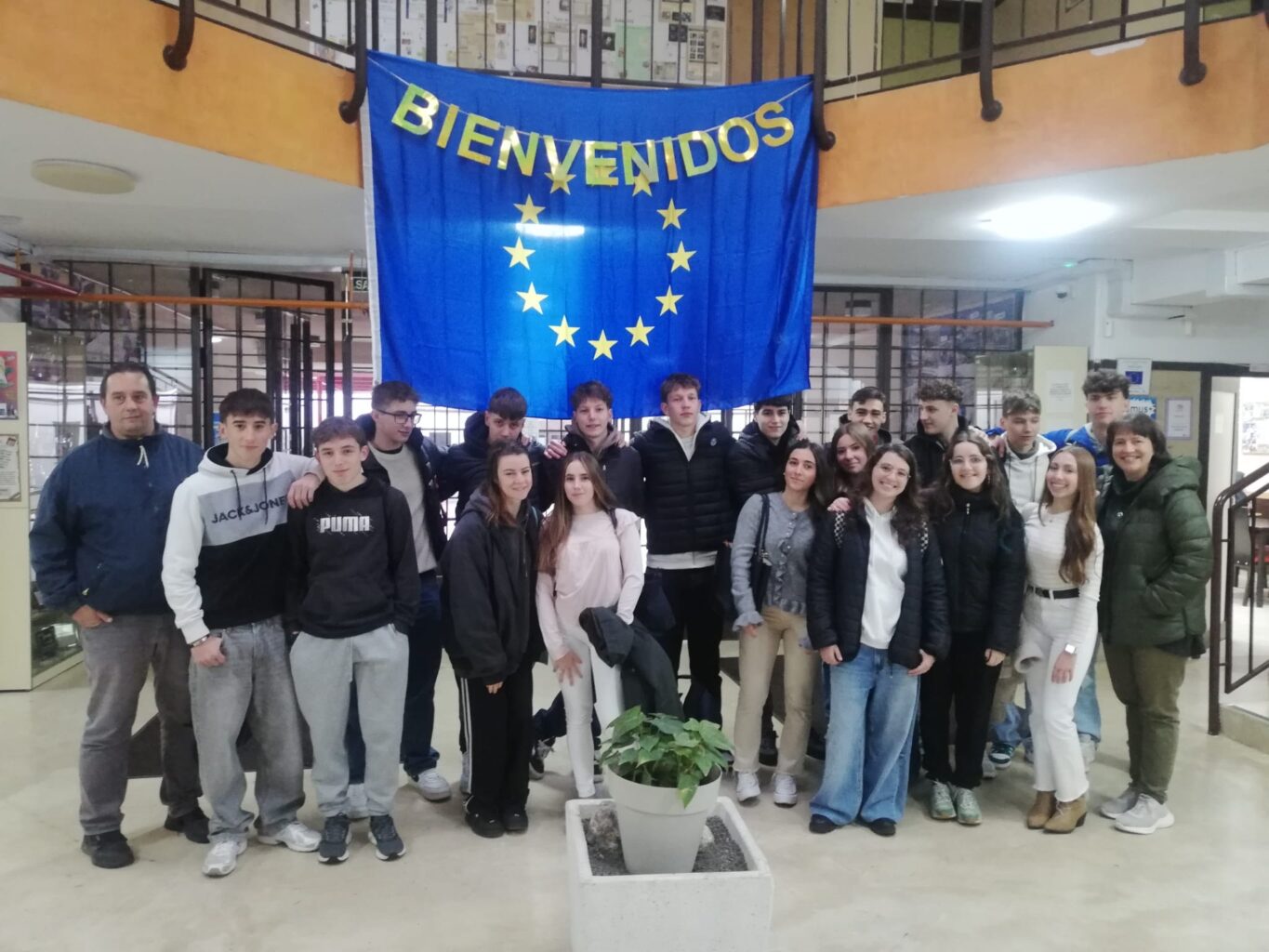
On 16th November 2025 a group of 9 electronics and mechanics students from the 4th class of Jozef Stefan school started their mobility in Aranjuez at IES Alpajes. Together with their Spanish peers they are having hands on labs regarding IoT and the 4th Industrial revolution and several cultural visits.
On Monday, November 17, students explored the school, then conducted a mixed-group workshop on facial recognition with an AI-powered microcontroller and camera.
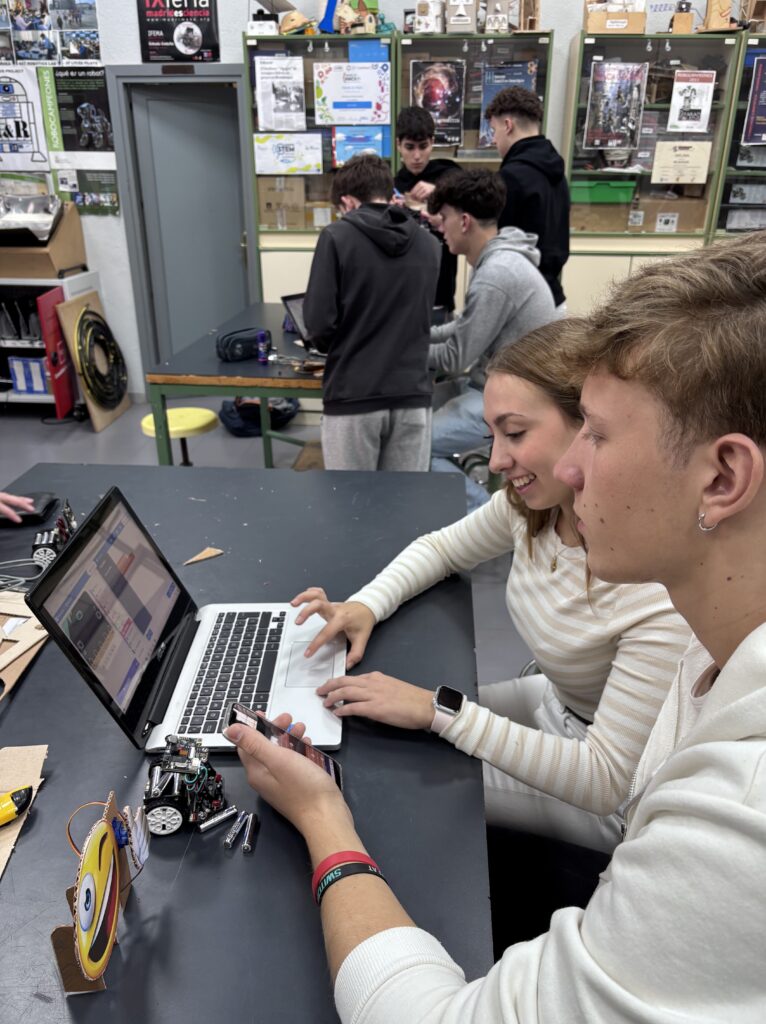
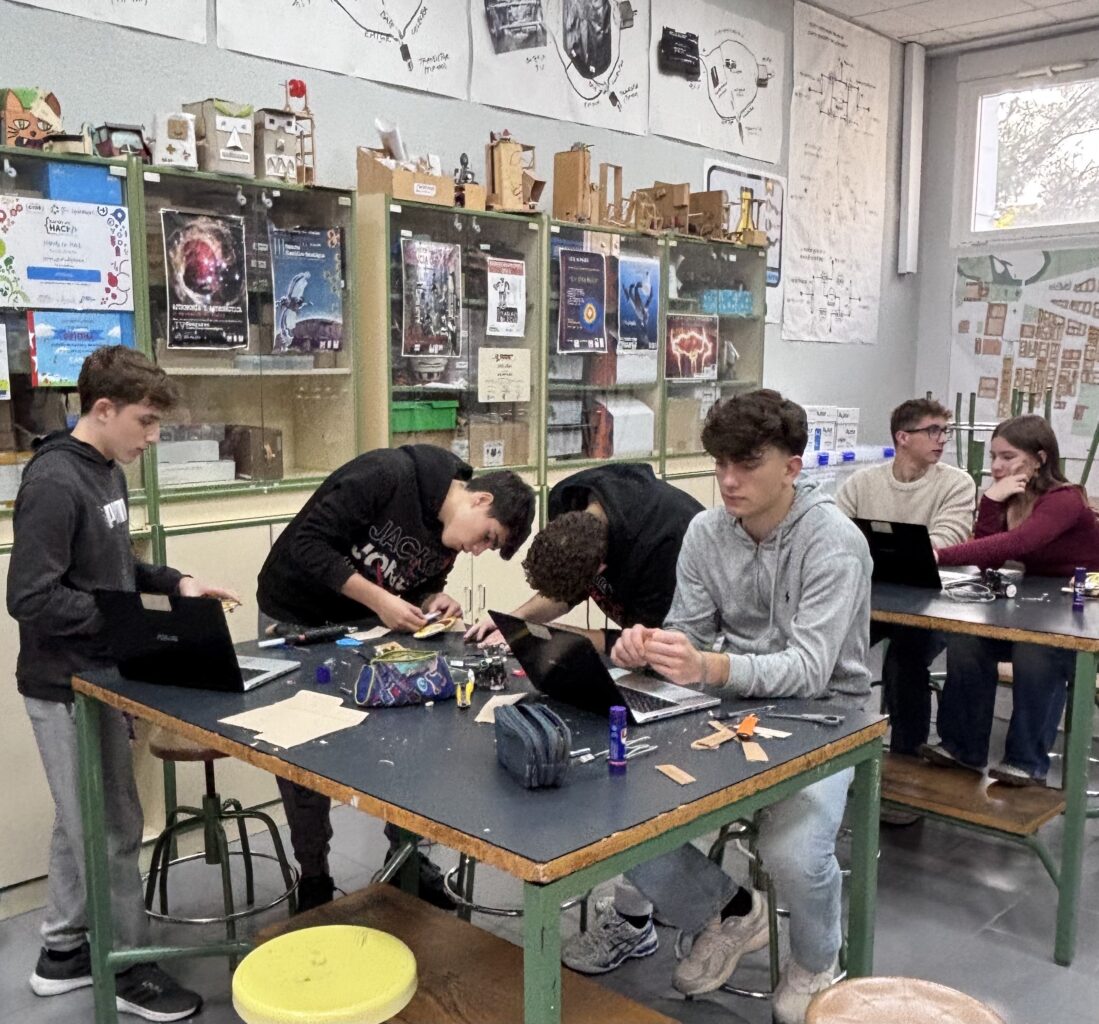
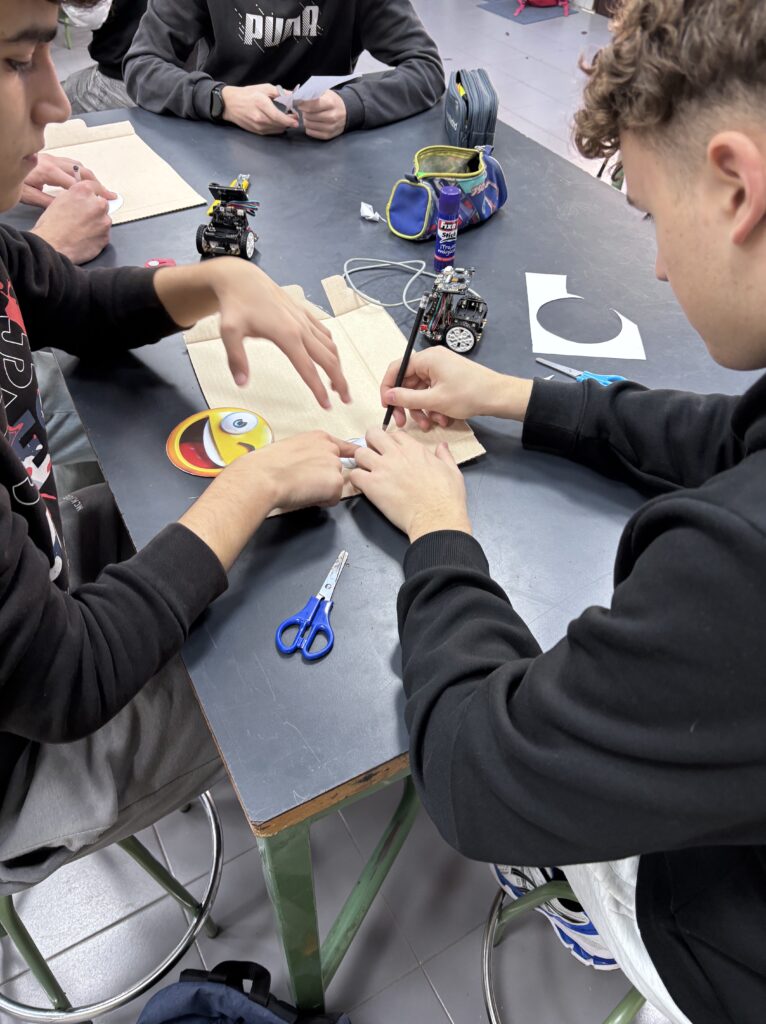
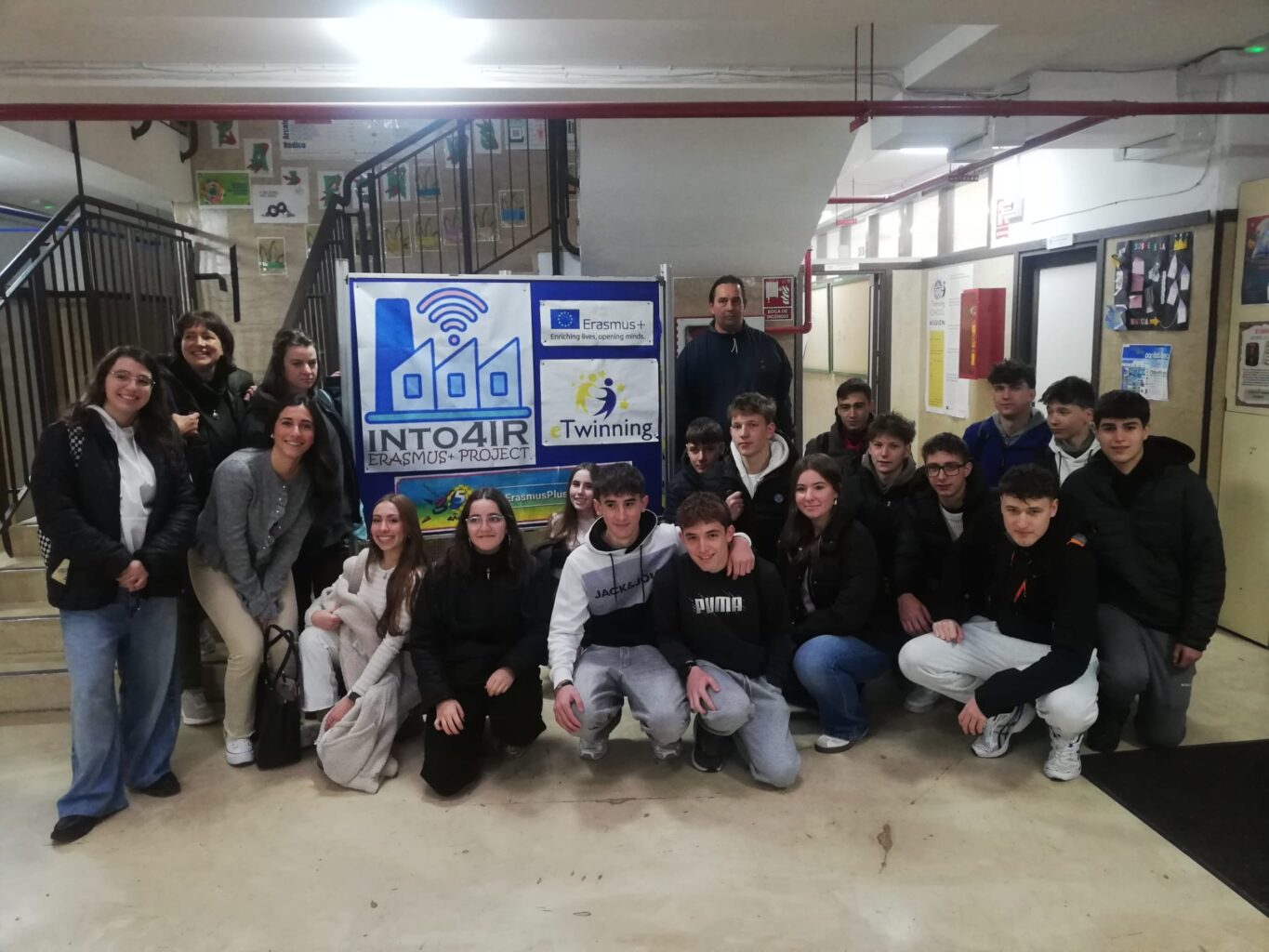
In the afternoon, they discovered the hidden corners of Aranjuez with an interactive activity of photo-orienteering.
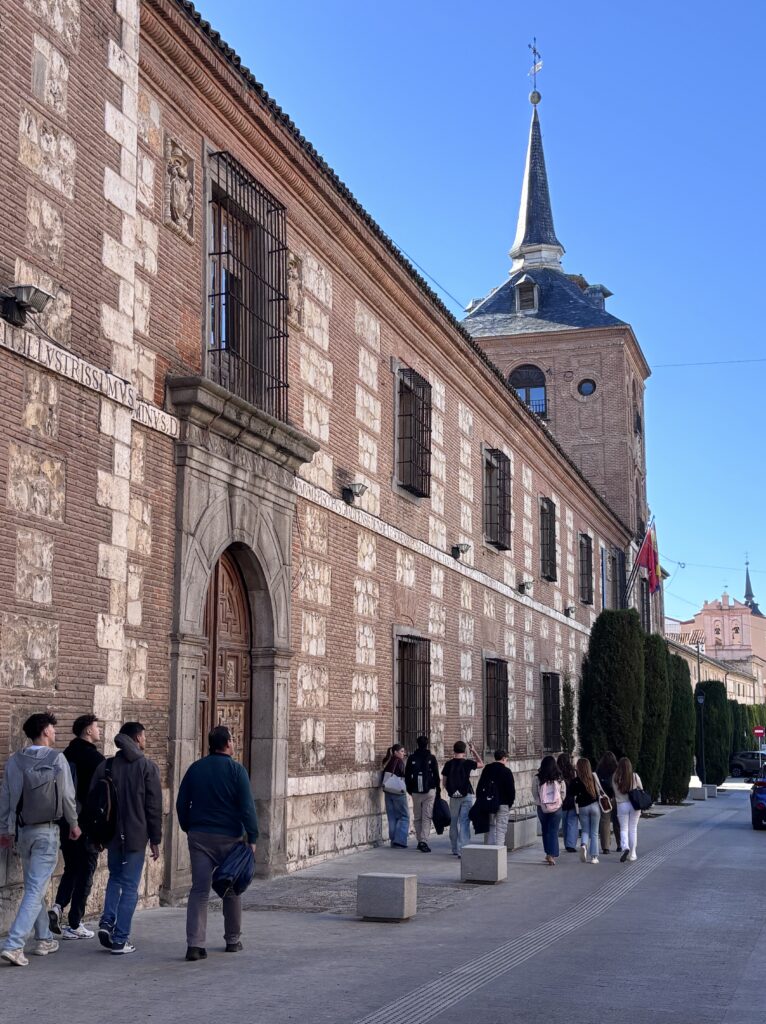
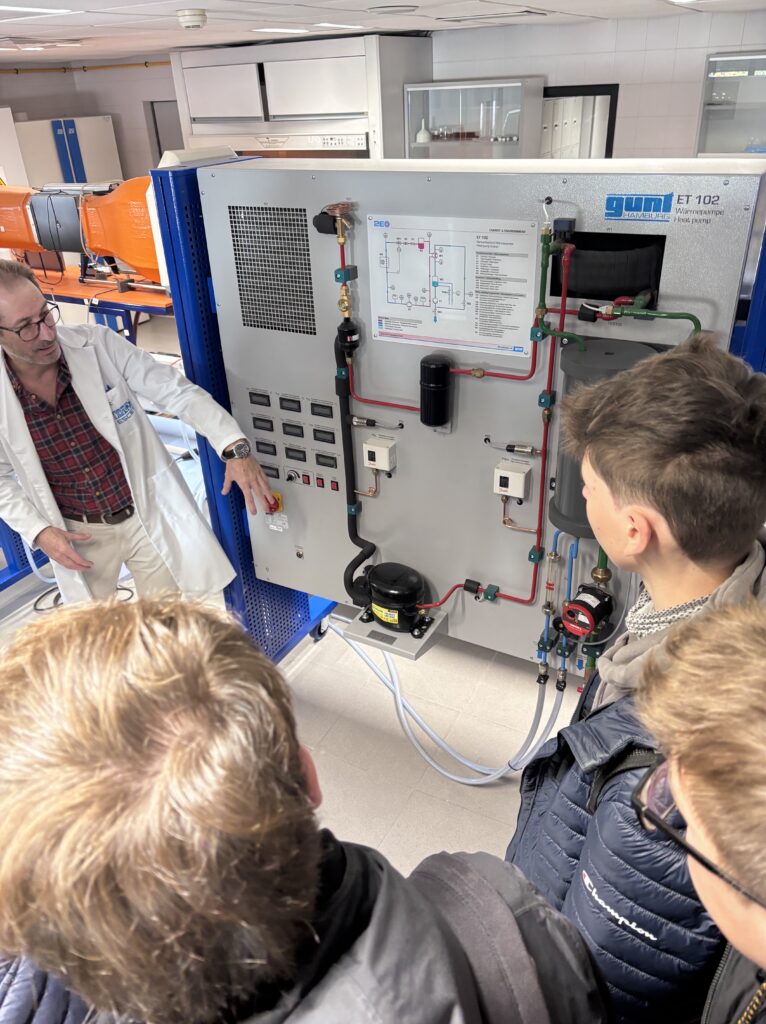
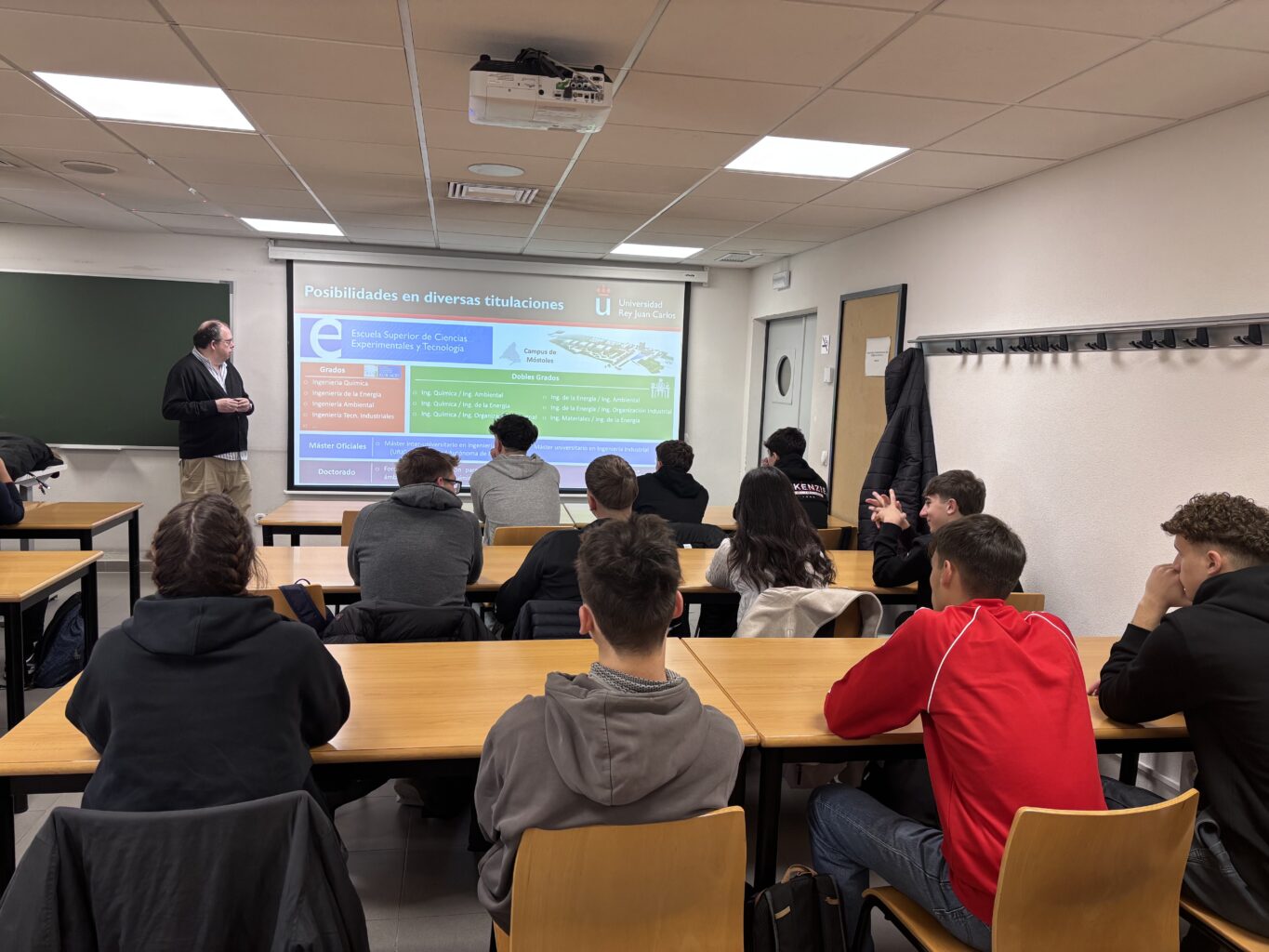
On Tuesday, November 18, we drove to Móstoles, where we visited the mechanics and mechatronics laboratories at the Juan Carlos I University. Then the bus took us to the town of Alcalá de Henares, where we saw the birthplace of Cervantes and the oldest university in Spain. After lunch and a walk through the old town, we returned to Aranjuez.
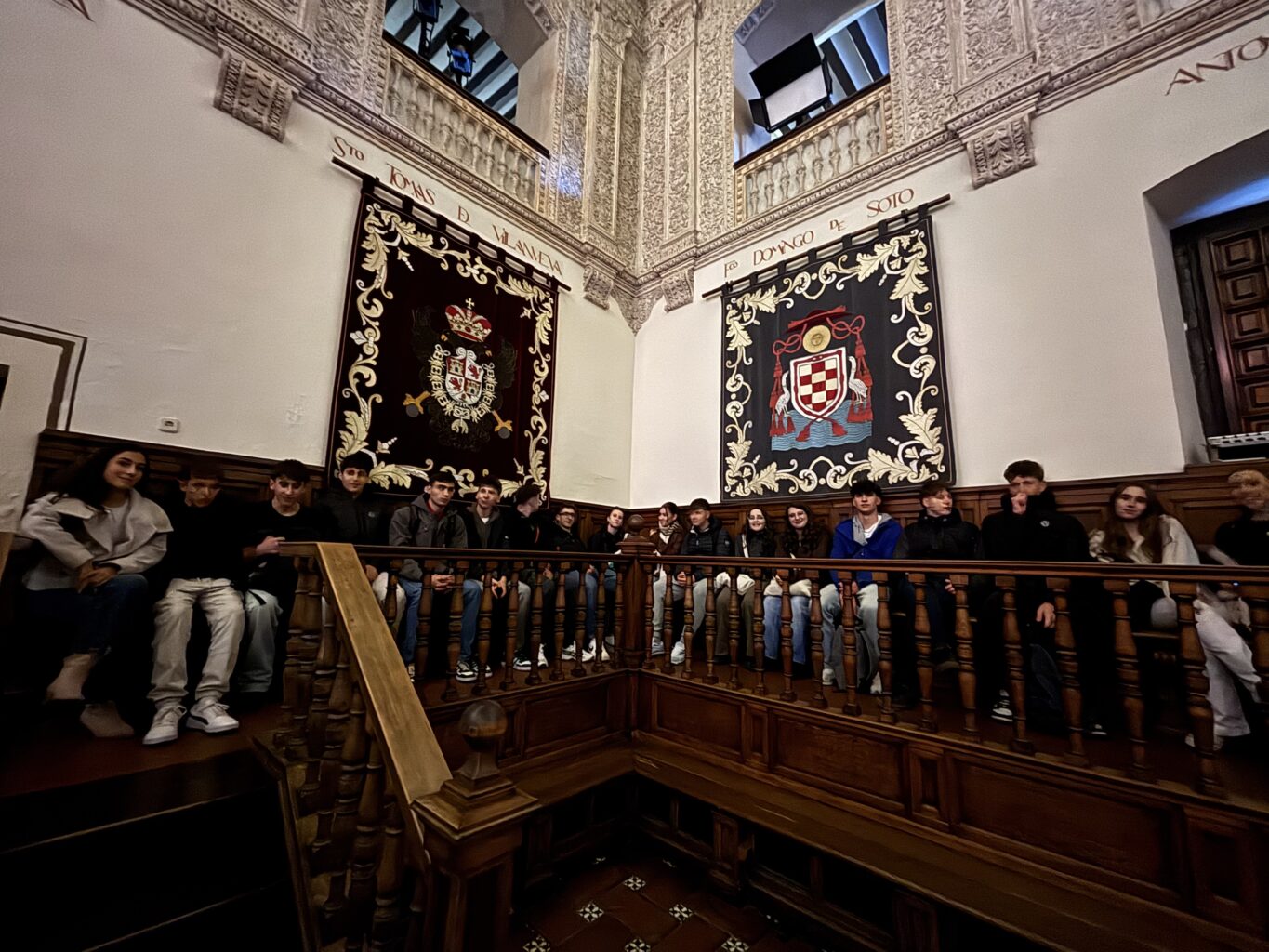
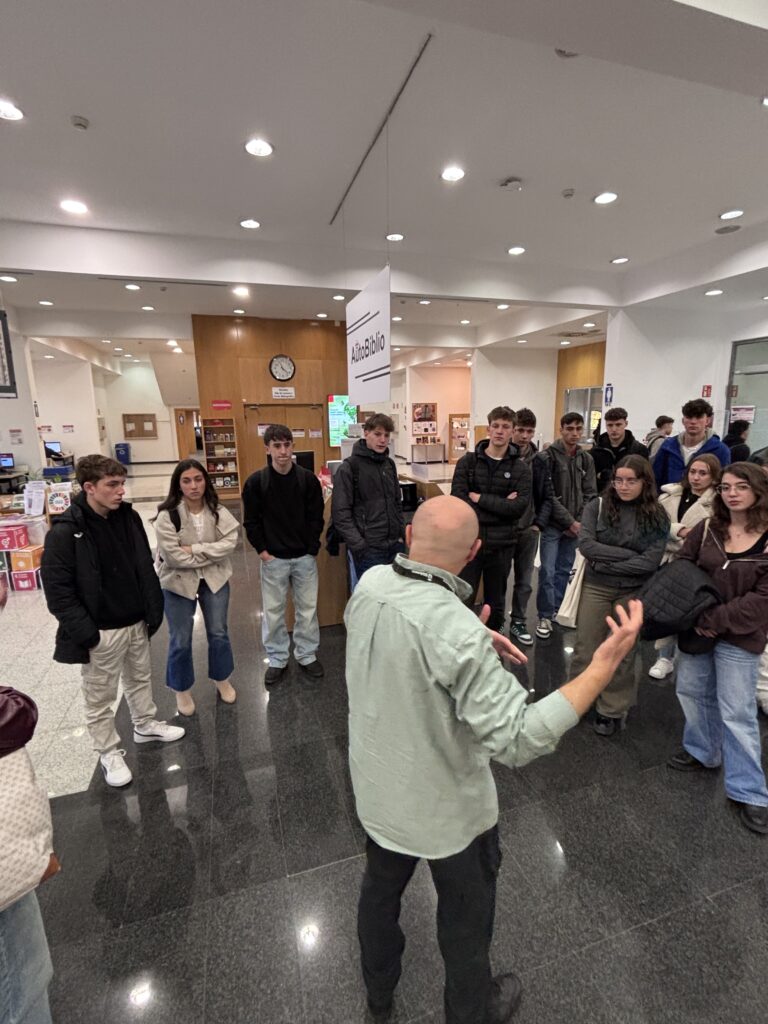
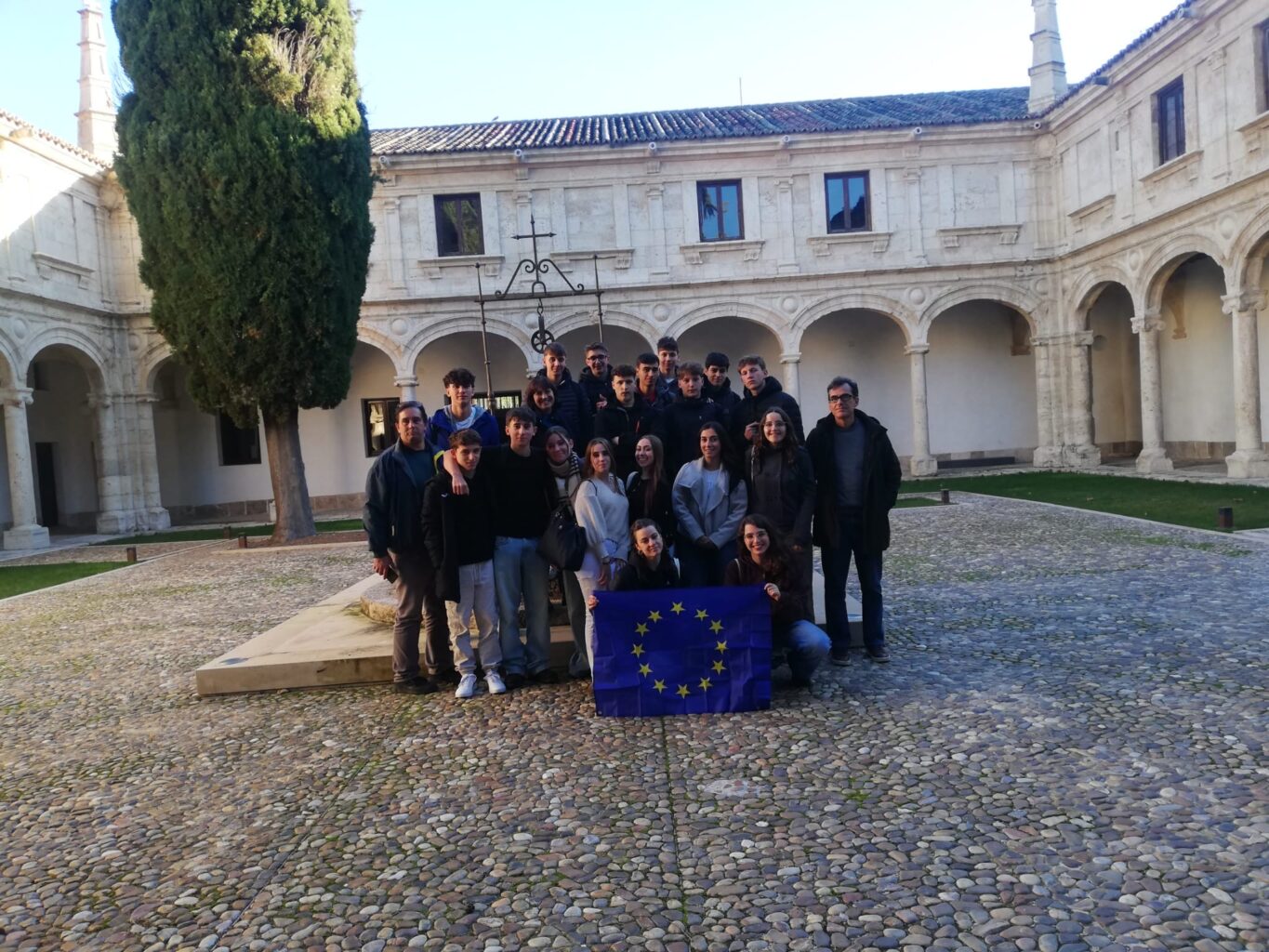
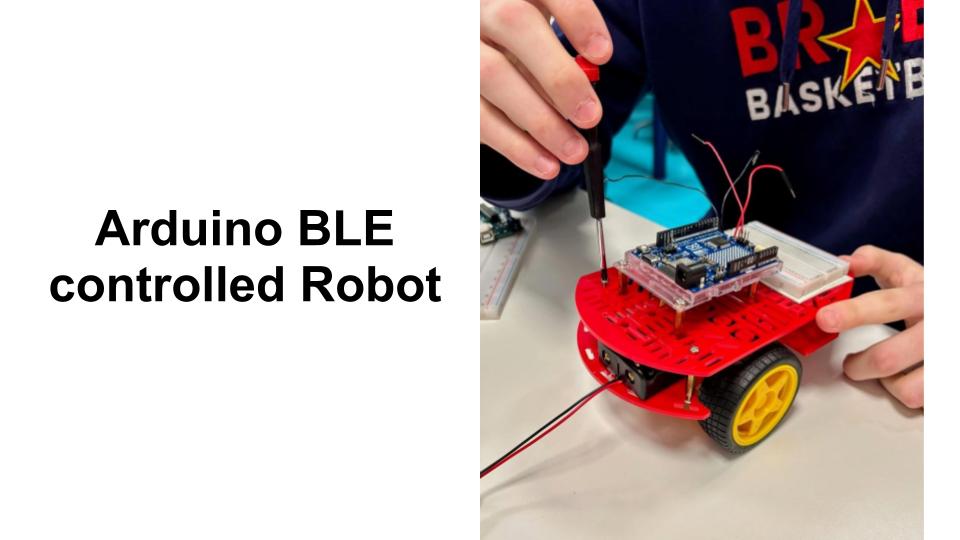
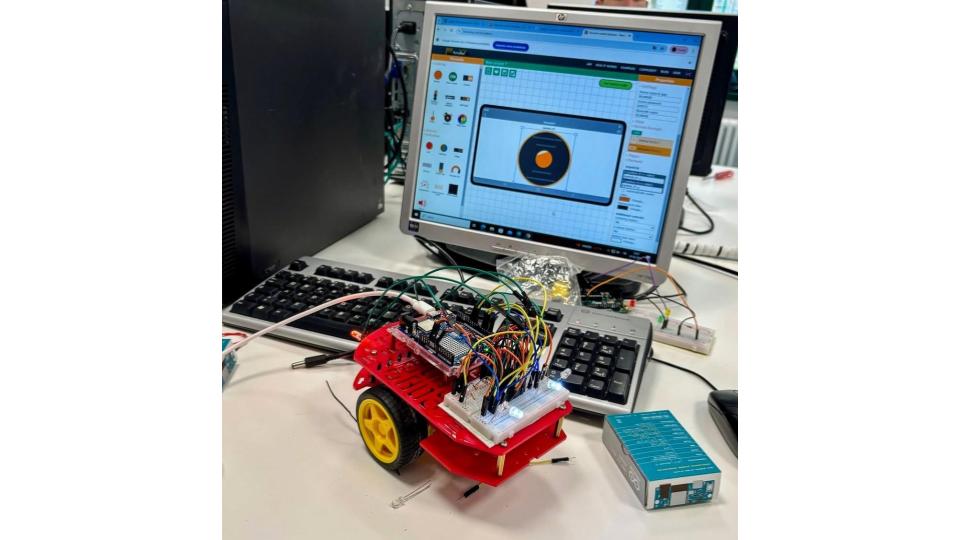
On Wednesday, November 19th, students continued exploring key components of the Fourth Industrial Revolution, including the Internet of Things (IoT), automation, and virtual environments. They also participated in a hands-on robotics workshop using the Arduino microcontroller. After installing the required components onto the board, students used a computer to design and upload a control program that brought their projects to life.
In the afternoon, they visited the modernist exhibition “The Sleep of Reason: From Enlightenment to Artificial Intelligence” at the Espacio Fundación Telefónica in Madrid, followed by a guided tour of Madrid’s historic center.
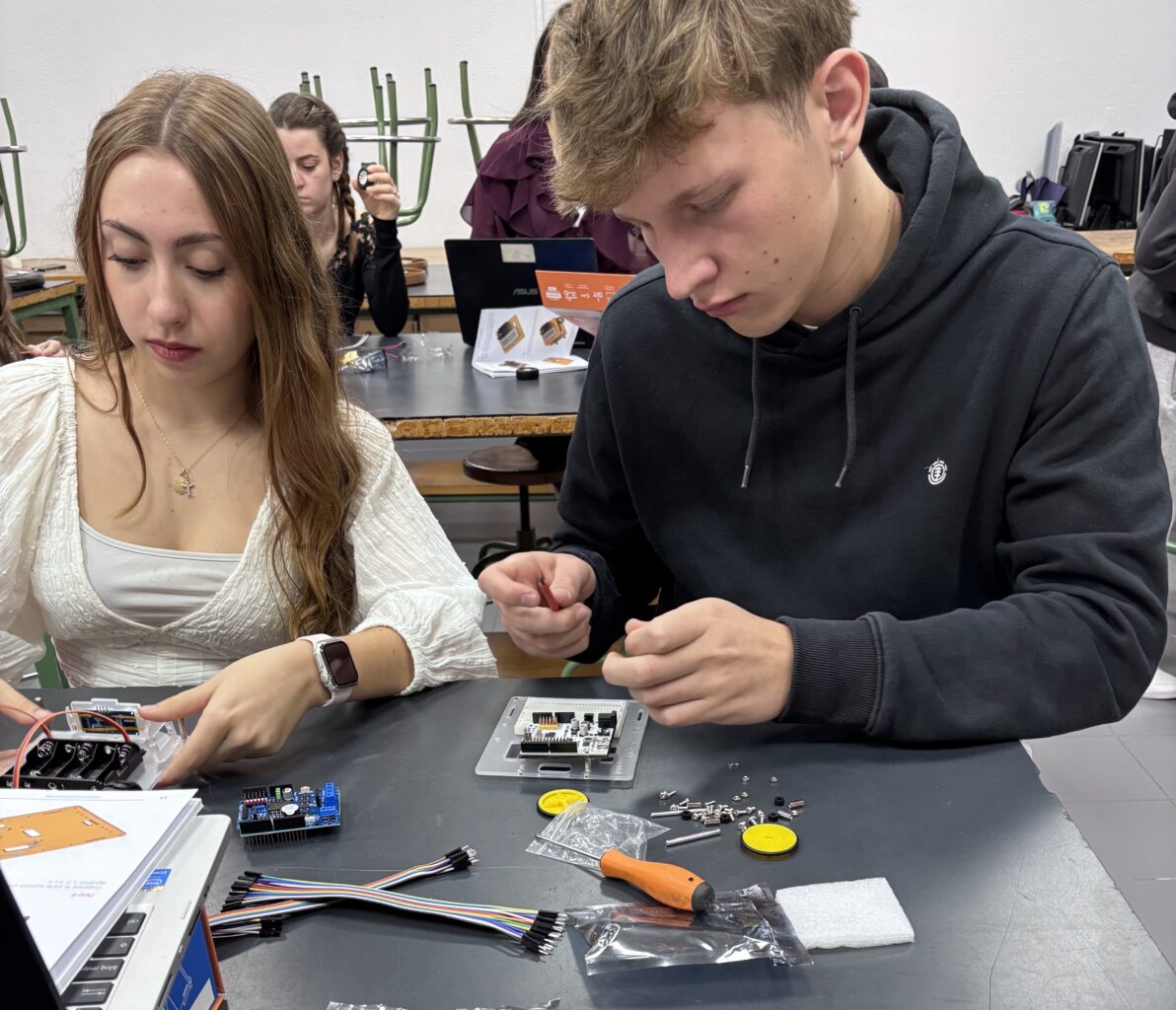
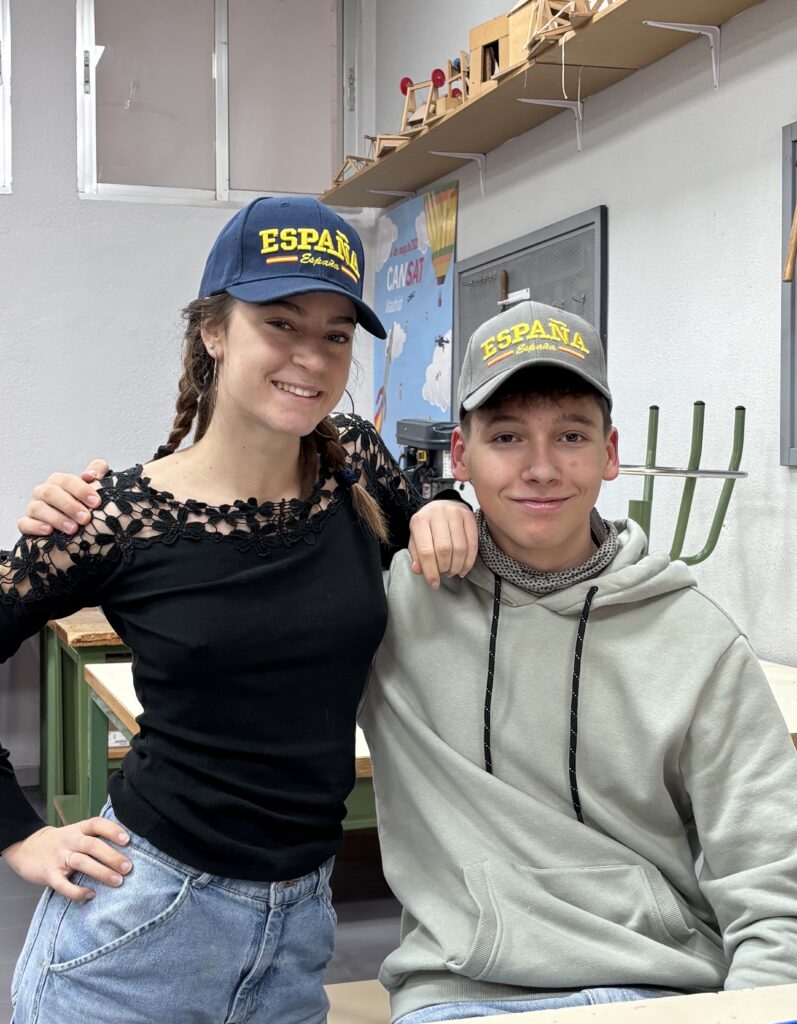
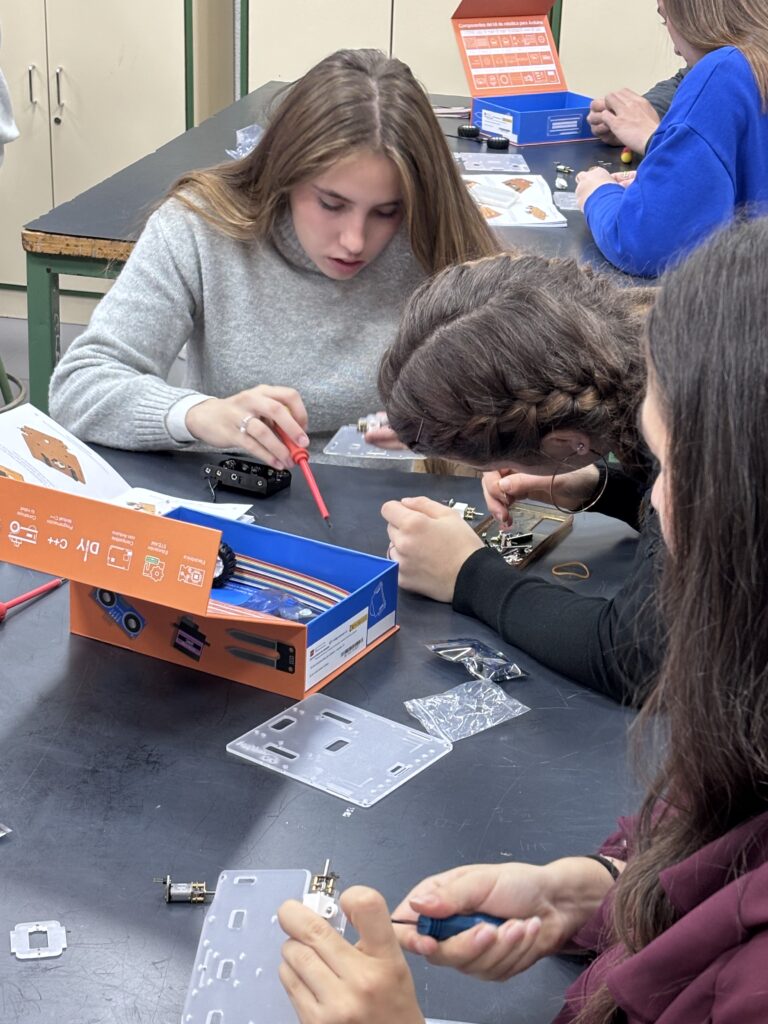
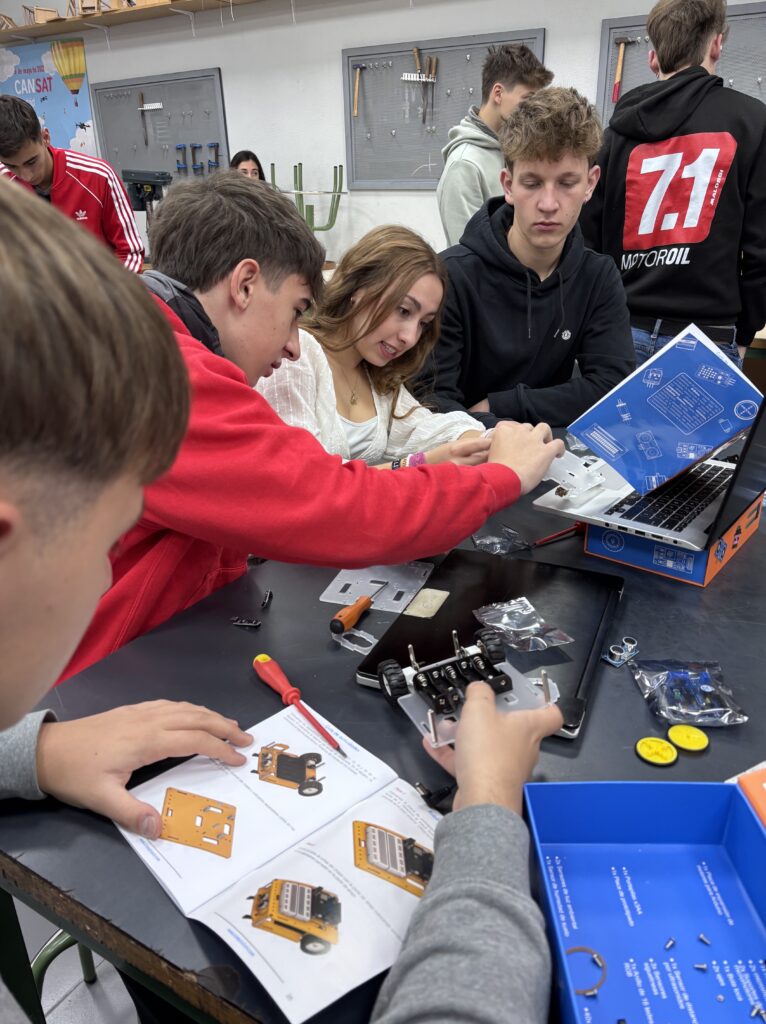
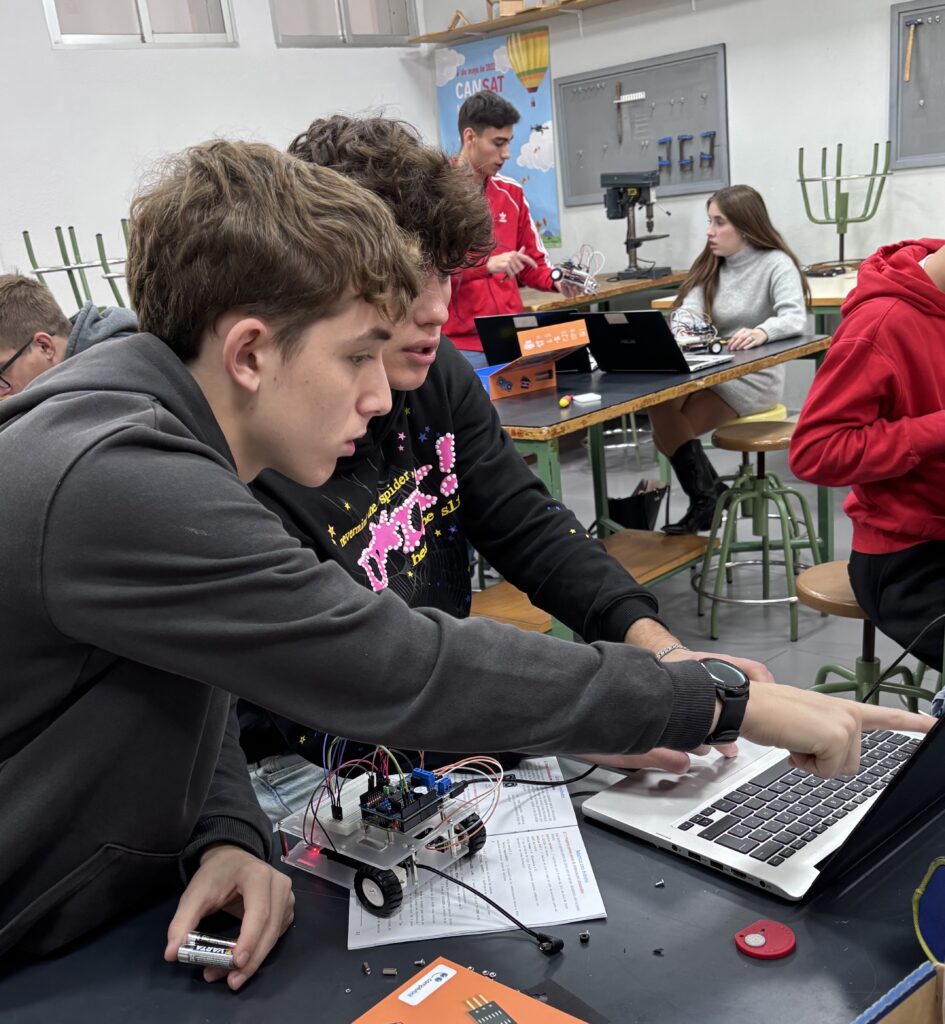
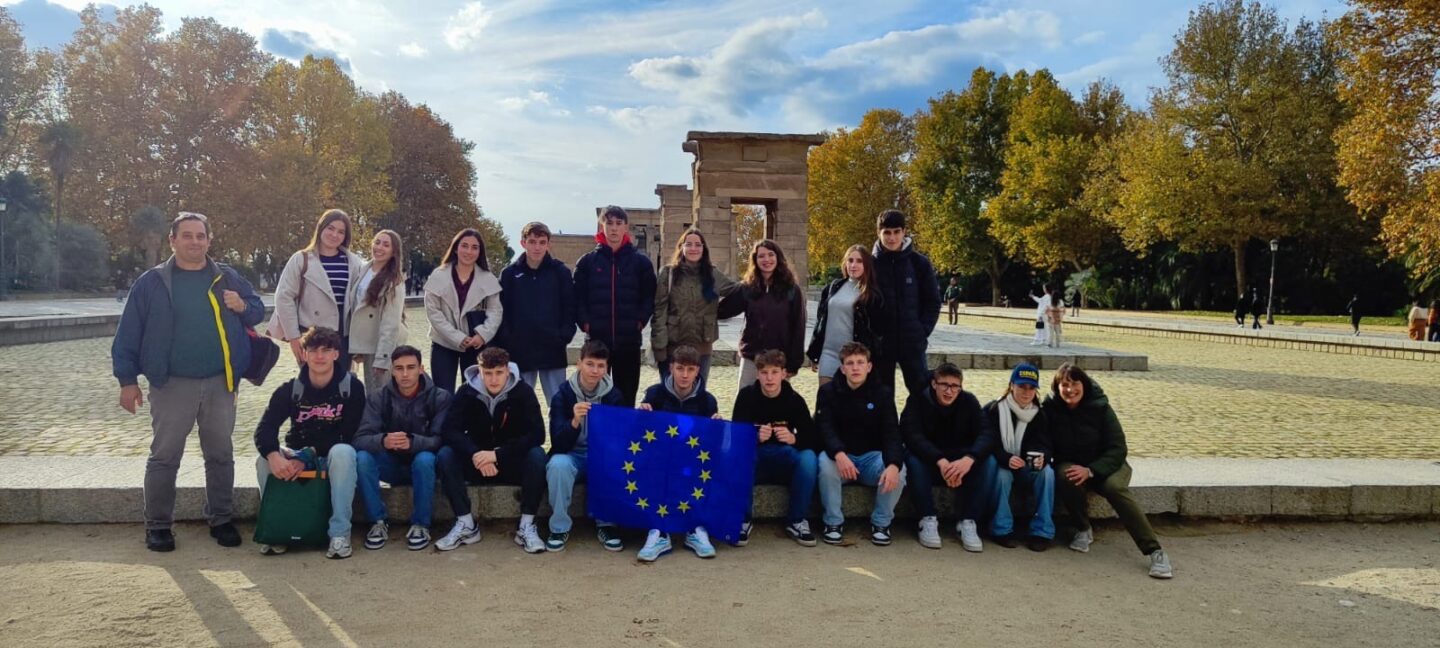
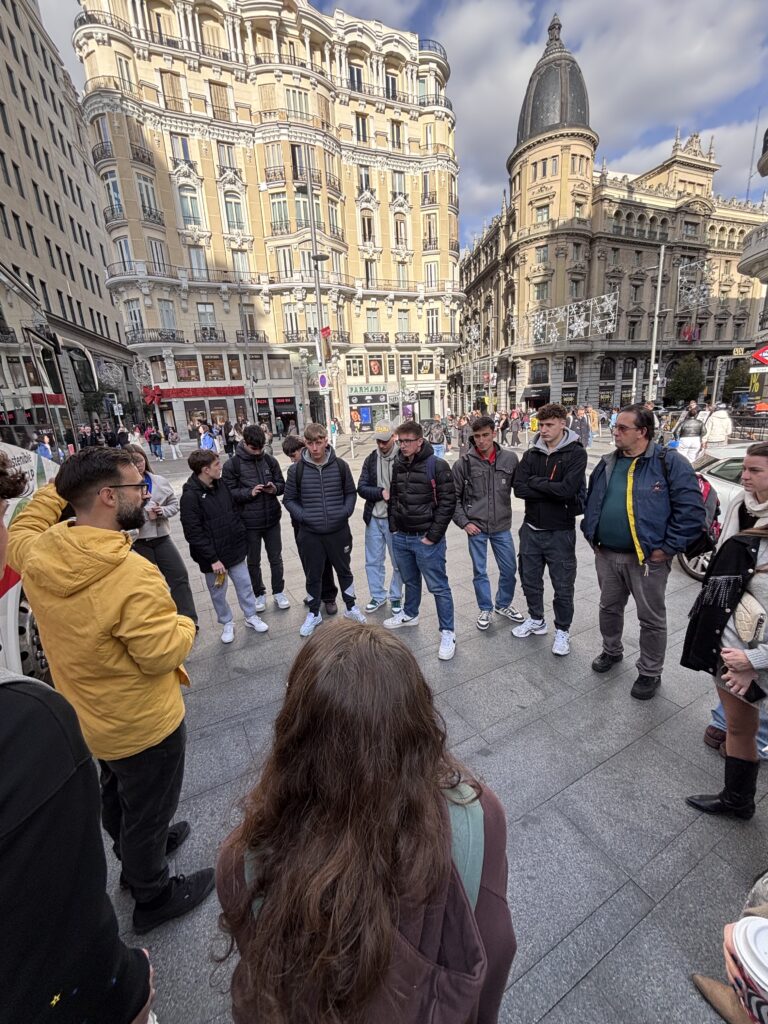
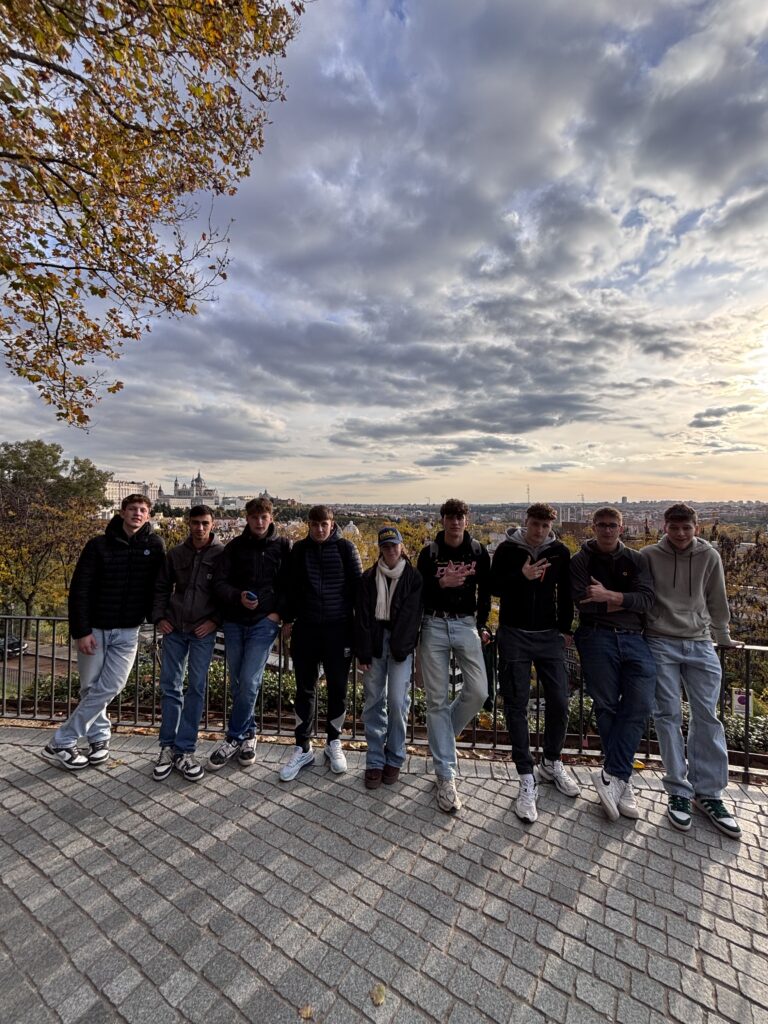
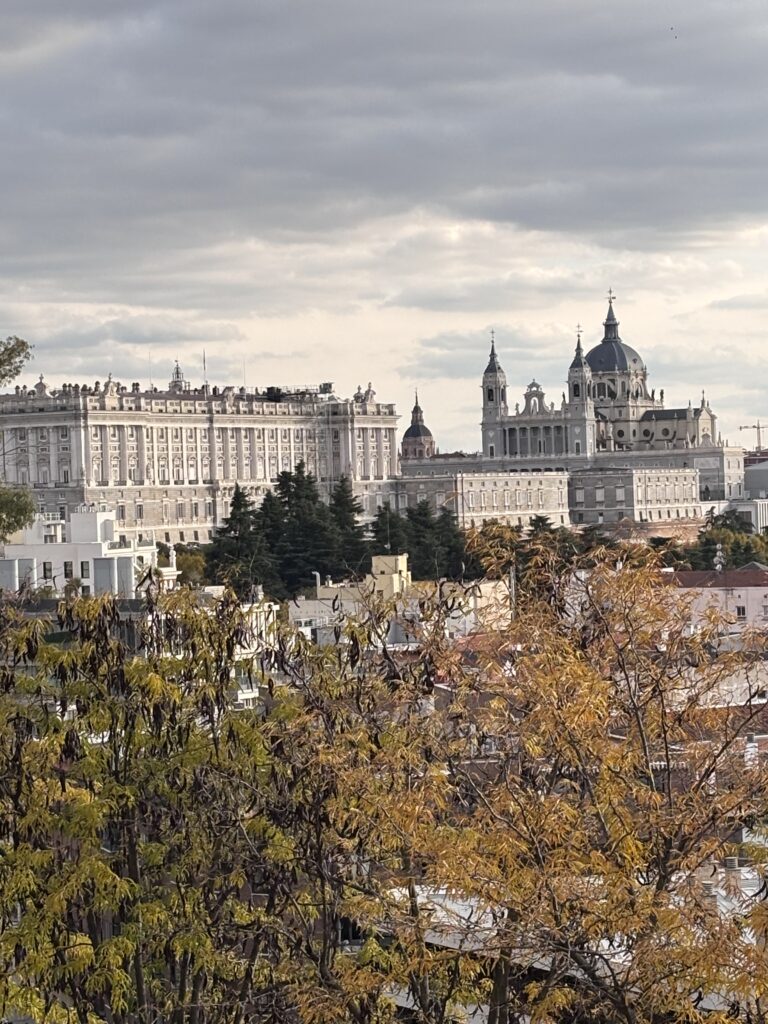
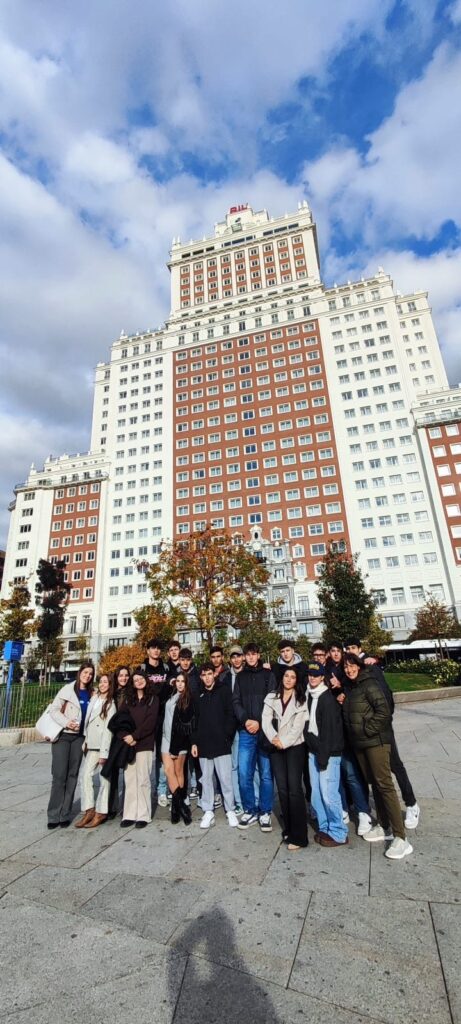
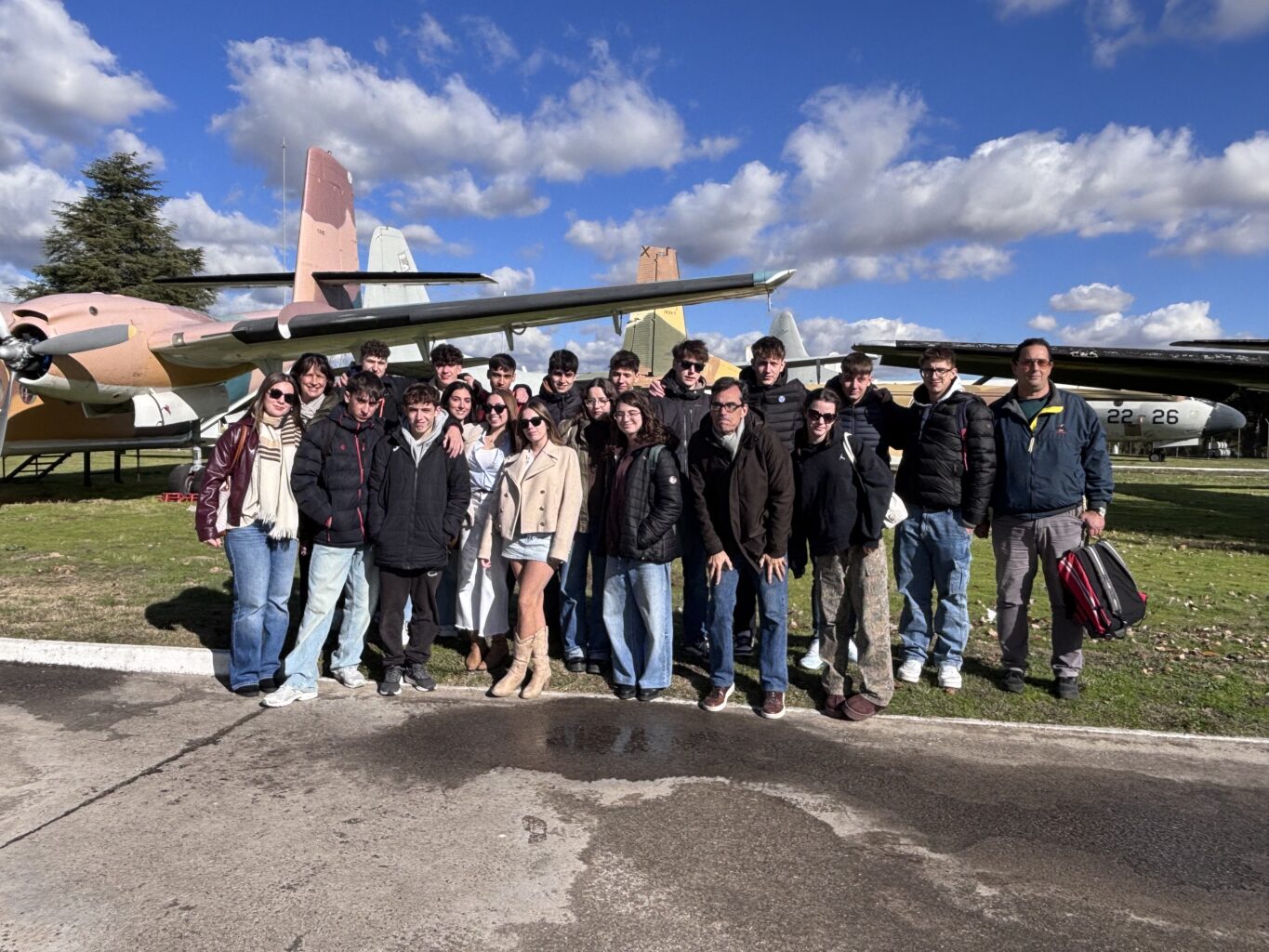
On Thursday, November 20, in the morning, the students of IES Aranjuez presented the functioning of various prototypes of robotic arms that they had conceived, designed, and built themselves. This was followed by a guided tour of the Museum of Aeronautics and Aviation. In the afternoon, they explored Madrid’s museum district and Retiro Park together.
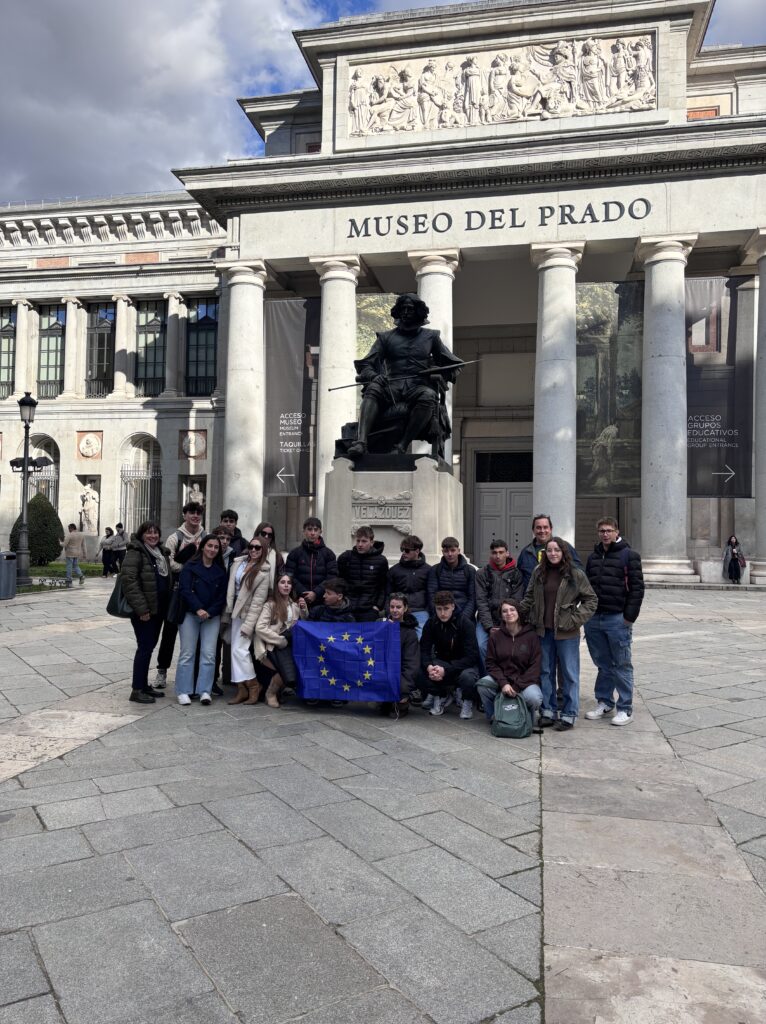
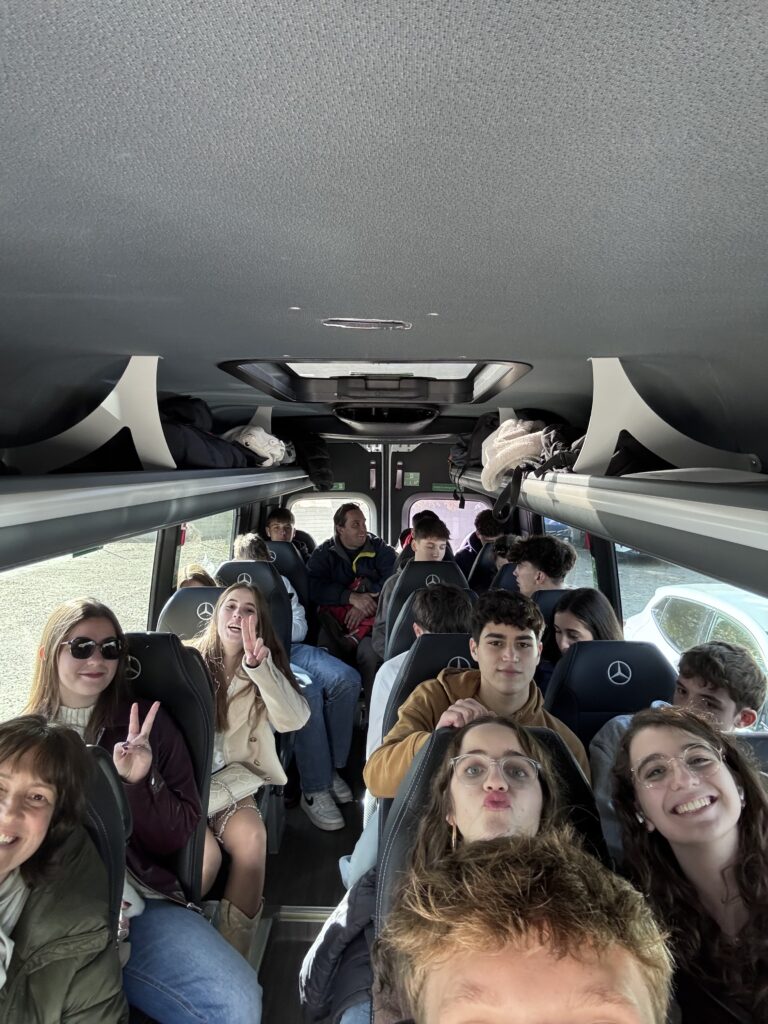
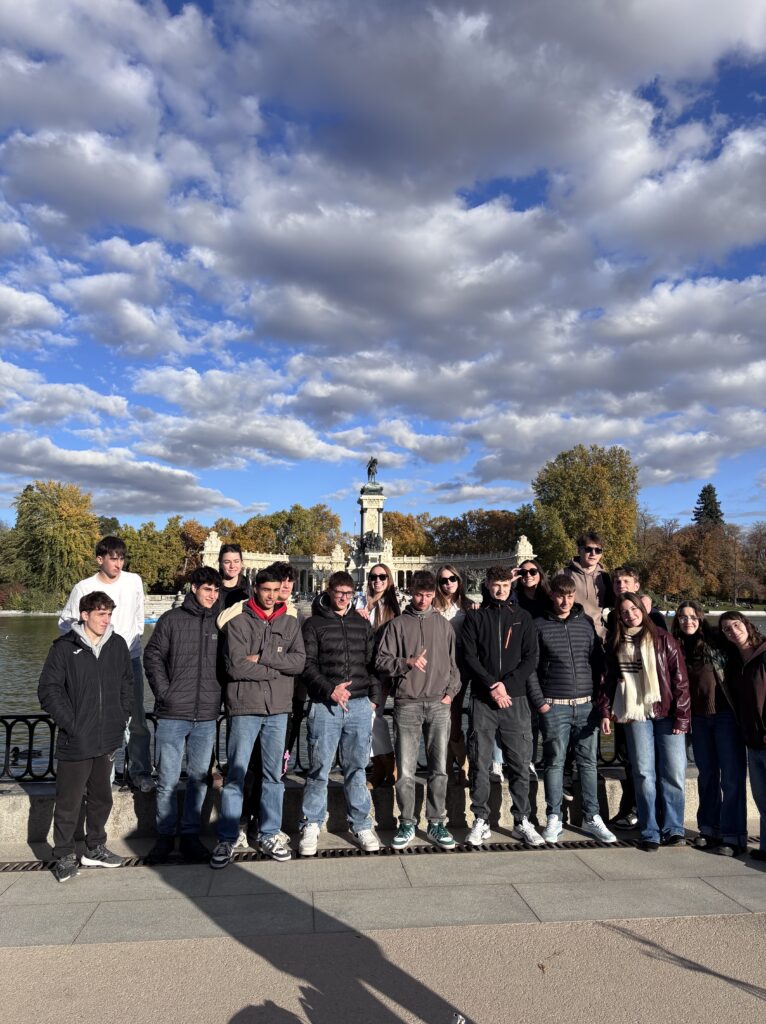
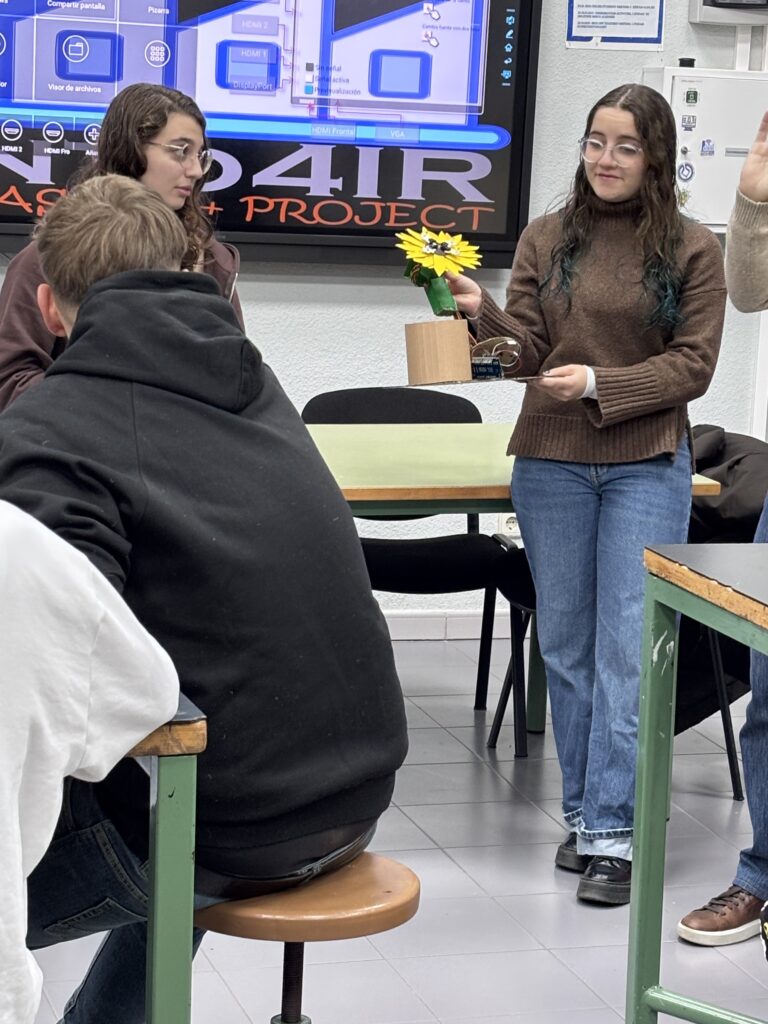
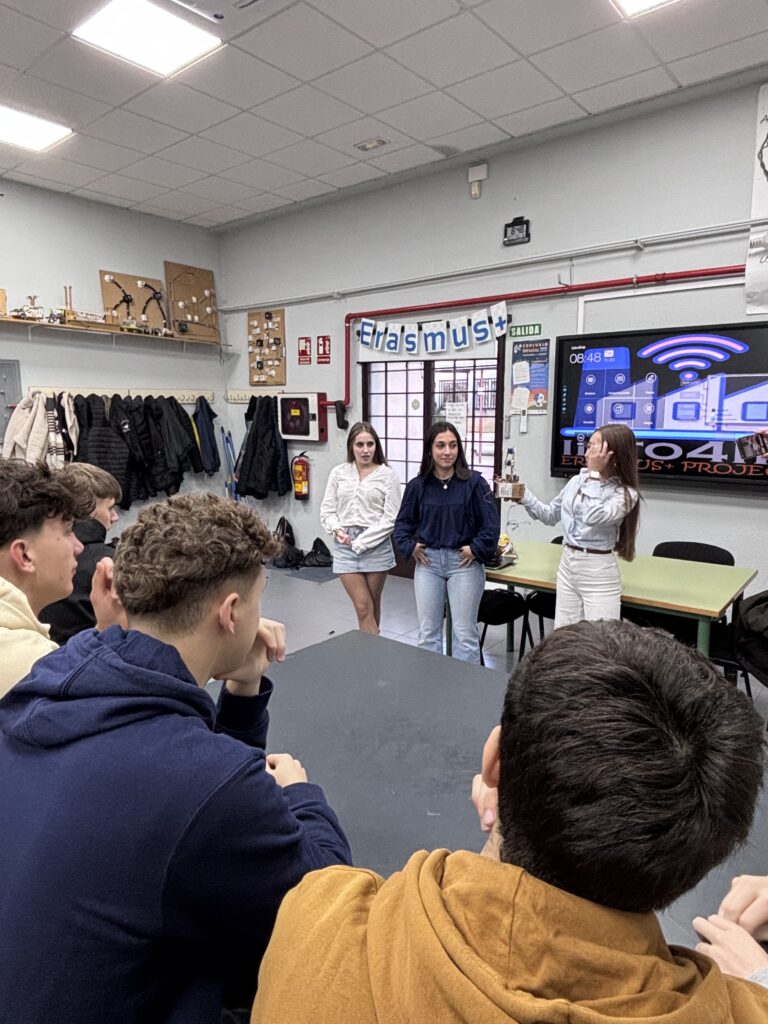
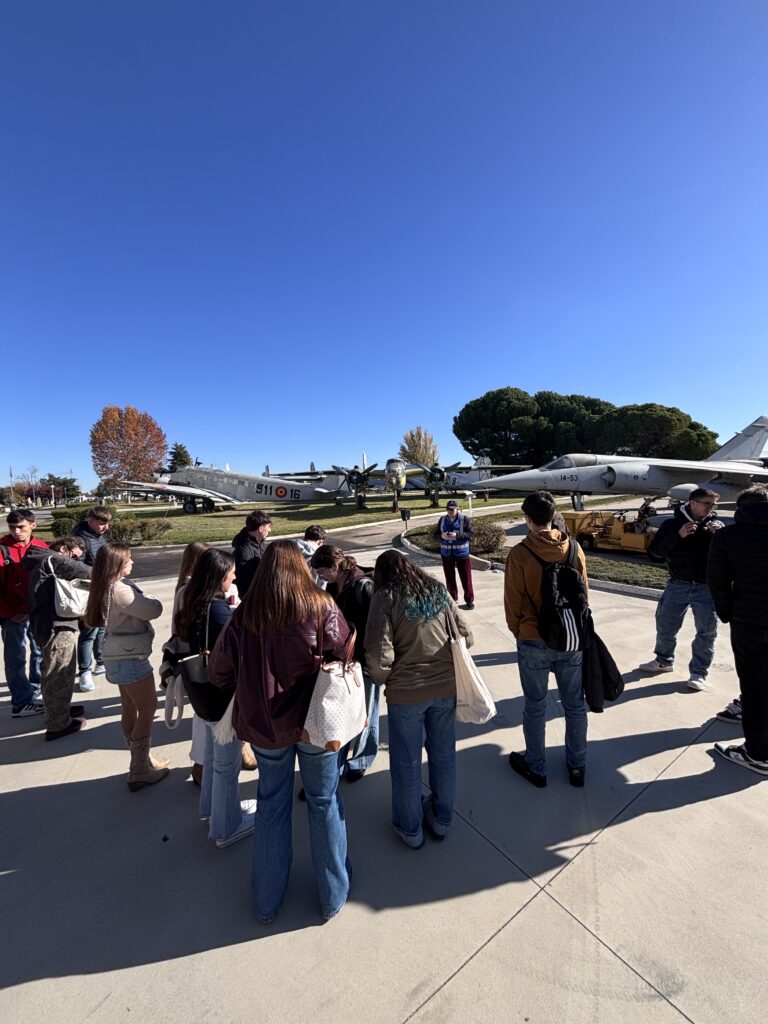
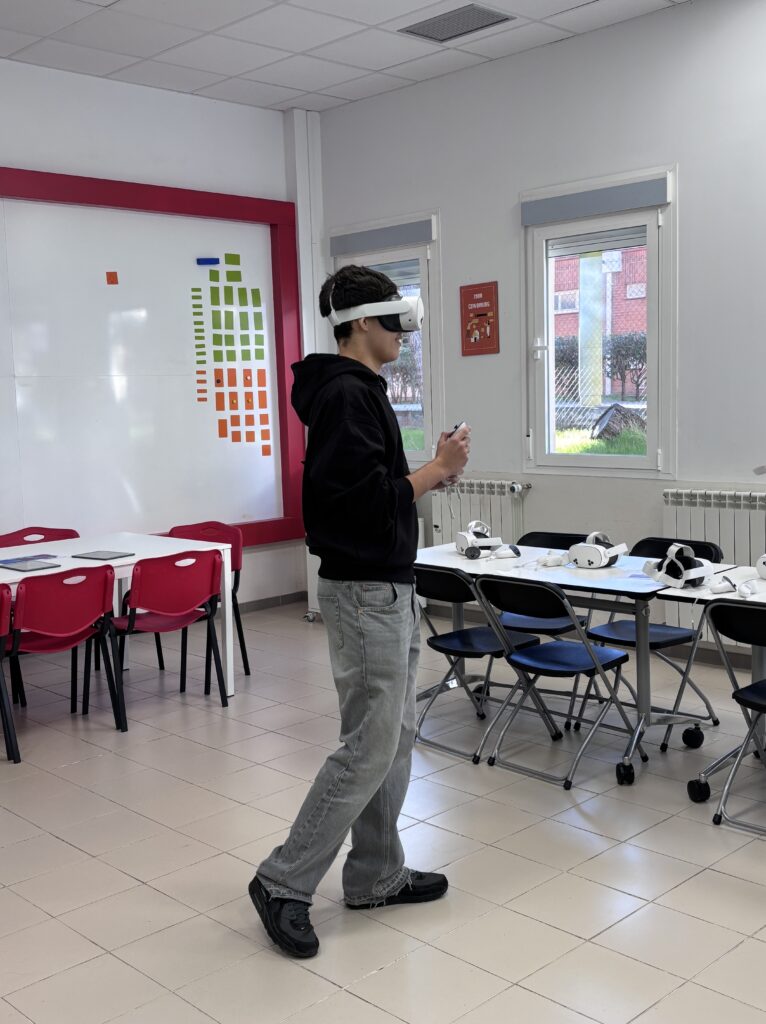
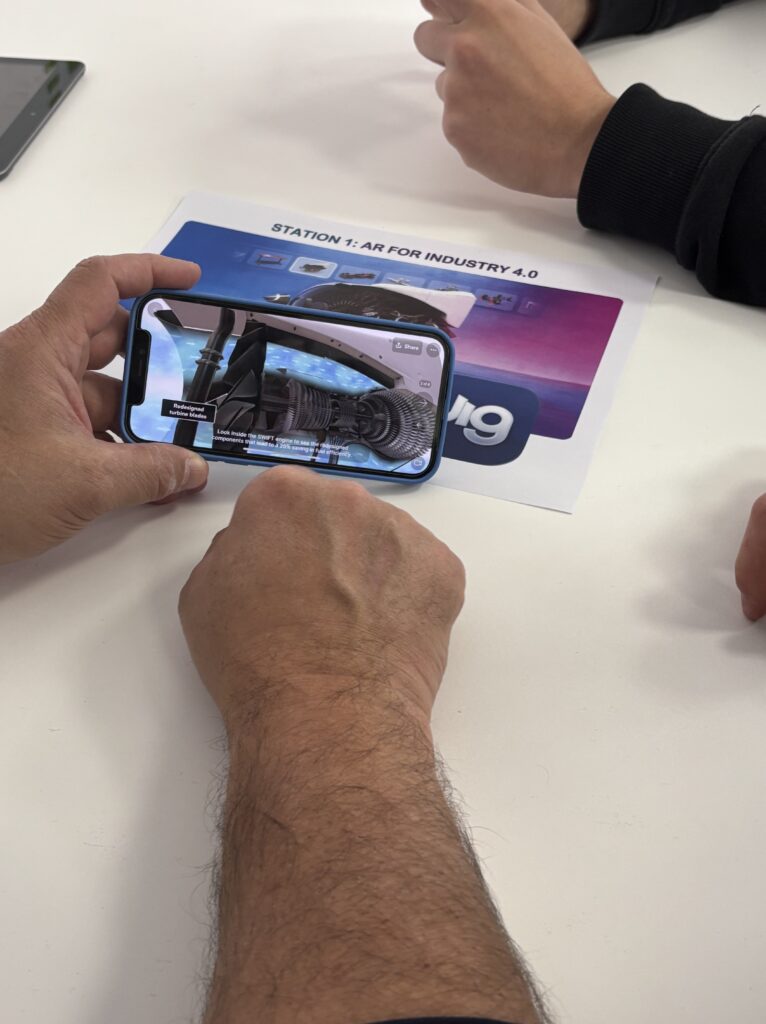
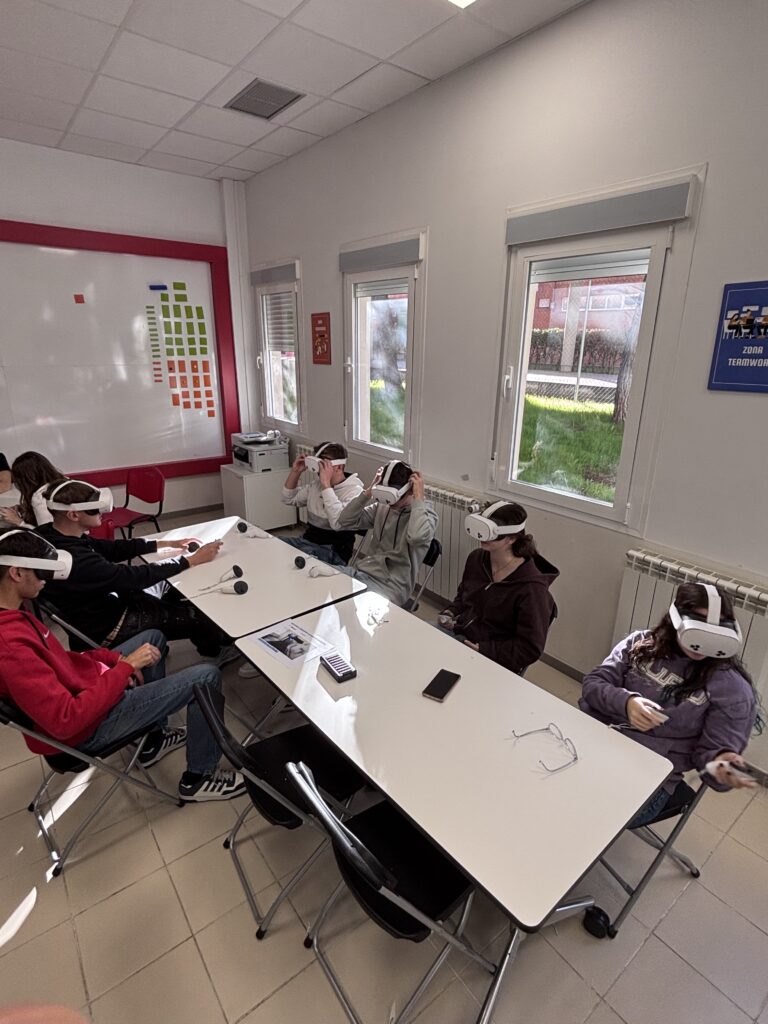
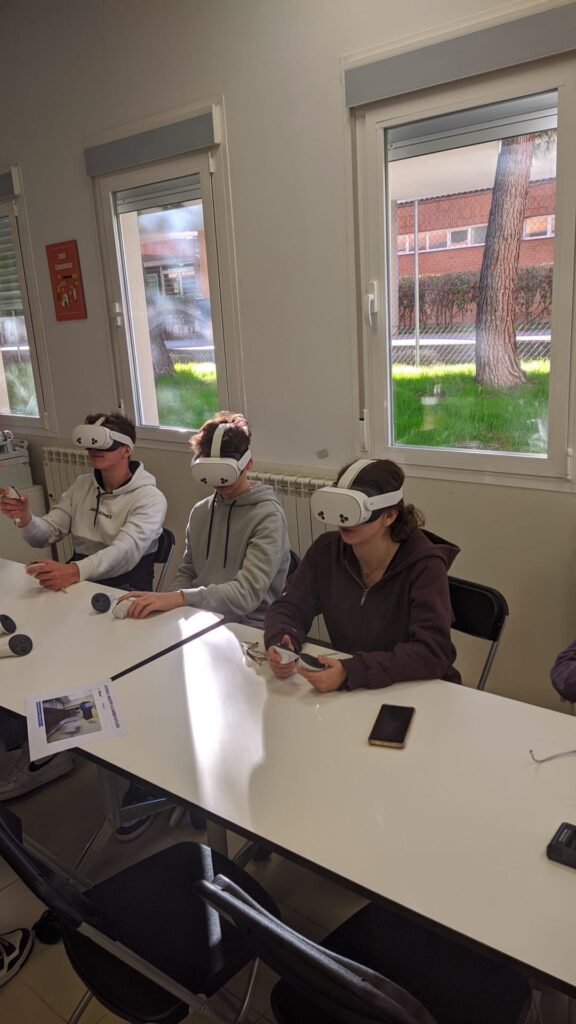
In the morning of Friday, November 21st, students worked on the eTwinning platform, answering the final questionnaire. They then tested the VR headsets in mixed groups in a company simulation classroom. At the first station, they virtually toured an Industry 4.0 plant. At the second station, they saw new Industry 4.0 professions. At the third station, they experienced the situations of a Factory 4.0: a “factory twin” falls within the broader concept of digital twins and refers to the creation of a virtual, fully digital copy of a physical factory. This digital copy reflects the processes, machines, material flows, and even employee behavior in the real factory in real time.
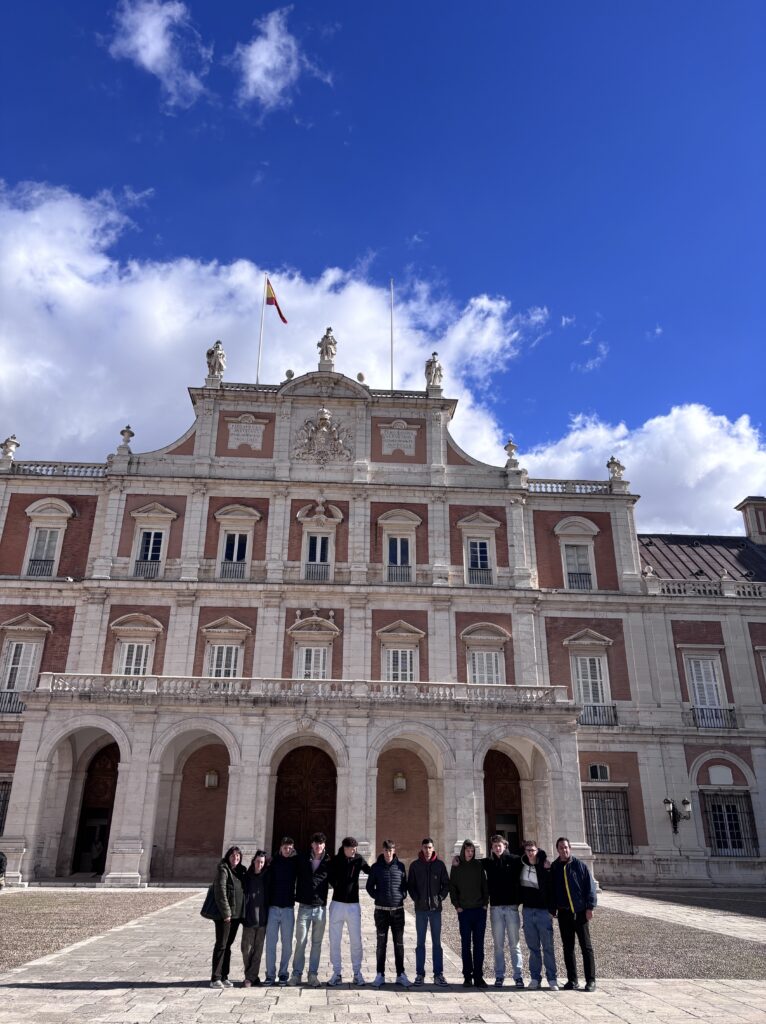
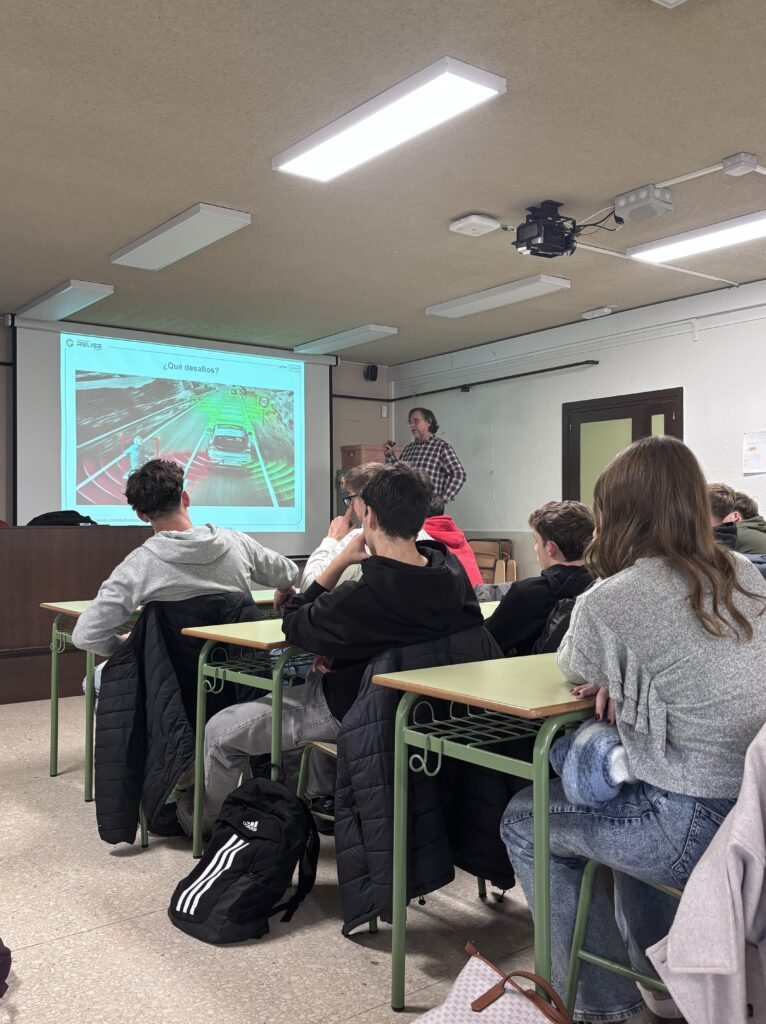
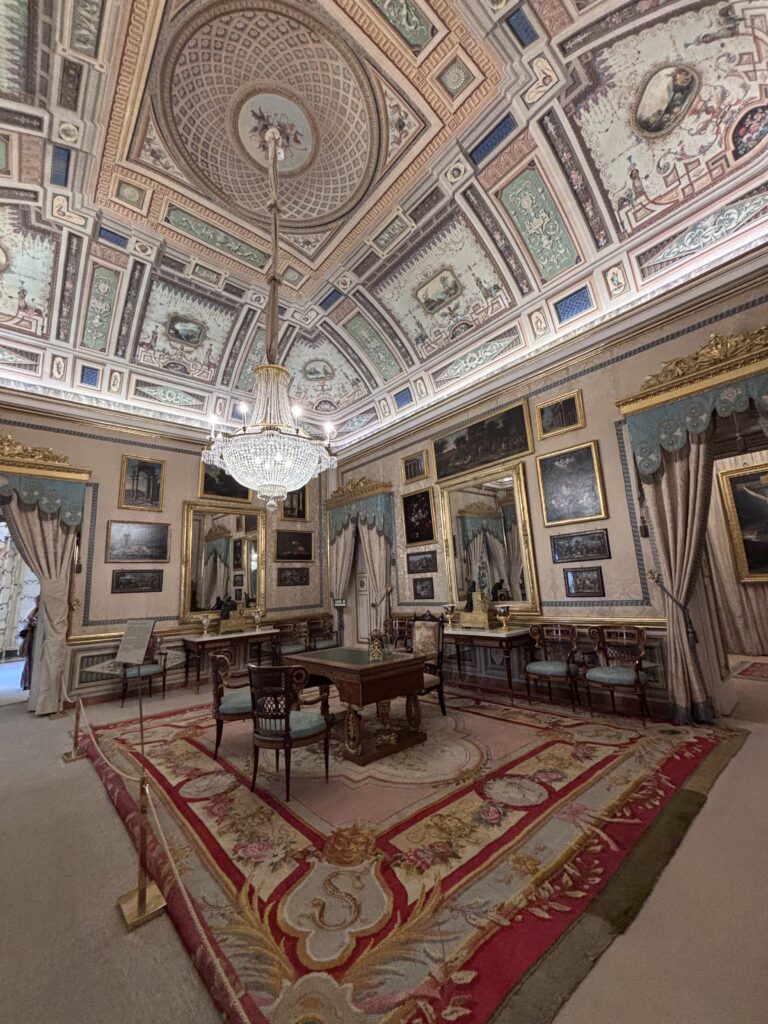
In the afternoon, they attended a lecture by Prof. Dr. Gonzali Genova, a professor of computer science, who is responsible for the development of artificial intelligence. He presented the technical and ethical challenges of self-driving cars. They then took a guided tour of the luxurious Royal Palace of Aranjuez.
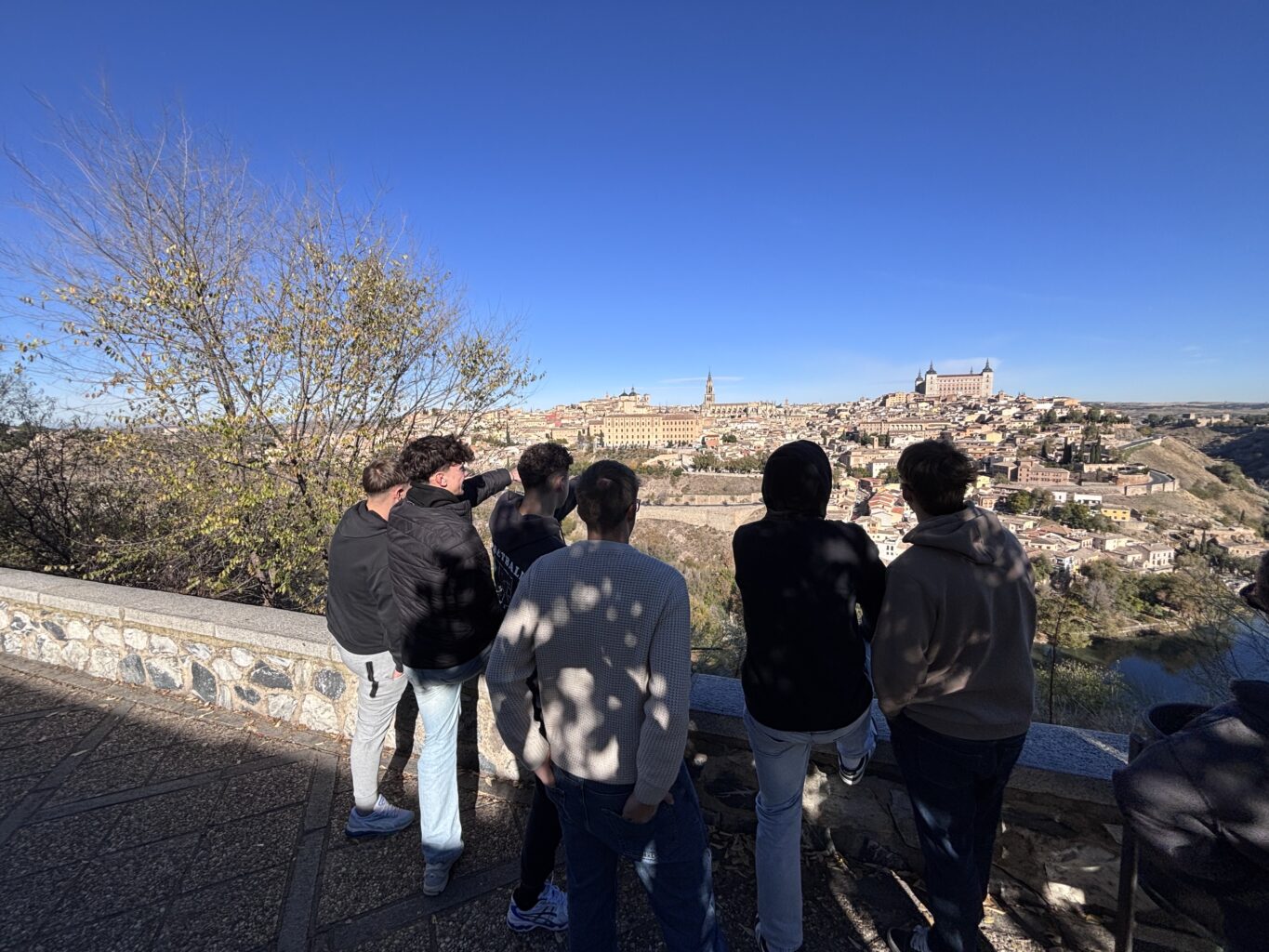
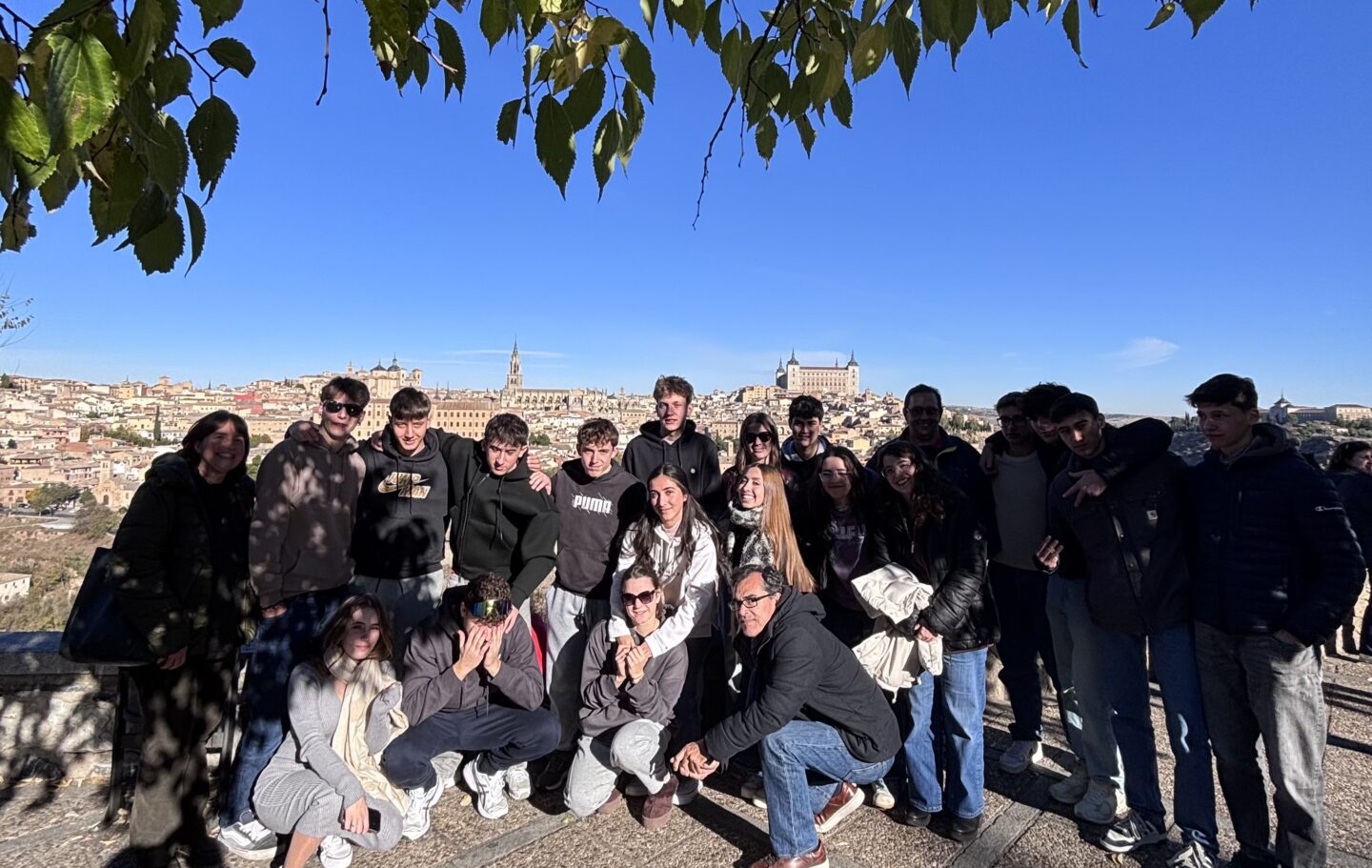
On Saturday, November 22nd, in the morning, they departed for the eclectic and history-rich medieval city of Toledo, a fusion of Arab, Spanish, and Jewish cultures. At the Aranjuez train station, they said goodbye to their Spanish hosts with the words “Nos vemos en Trieste en abril” (See you in Trieste in April).
eTwinning project: Into4IR 2024-2025
In the school year 2024/2025 , the KA121 into4IR (Innovative Teaching of the 4th Industrial Revolution) project began. During practical activities, students worked in laboratories focused on robotics, mechatronics, and PLC programming. These activities were subsequently described and presented to their Spanish peers from the IES Alpajès institute in Aranjuez through video messages and presentations in English. In the next school year 2025/2026, students will have the opportunity to meet in person as part of reciprocal mobility exchanges.