Staff Mobilities
Erasmus+ Training Course on AI Tools in Education, Reykjavik, Iceland
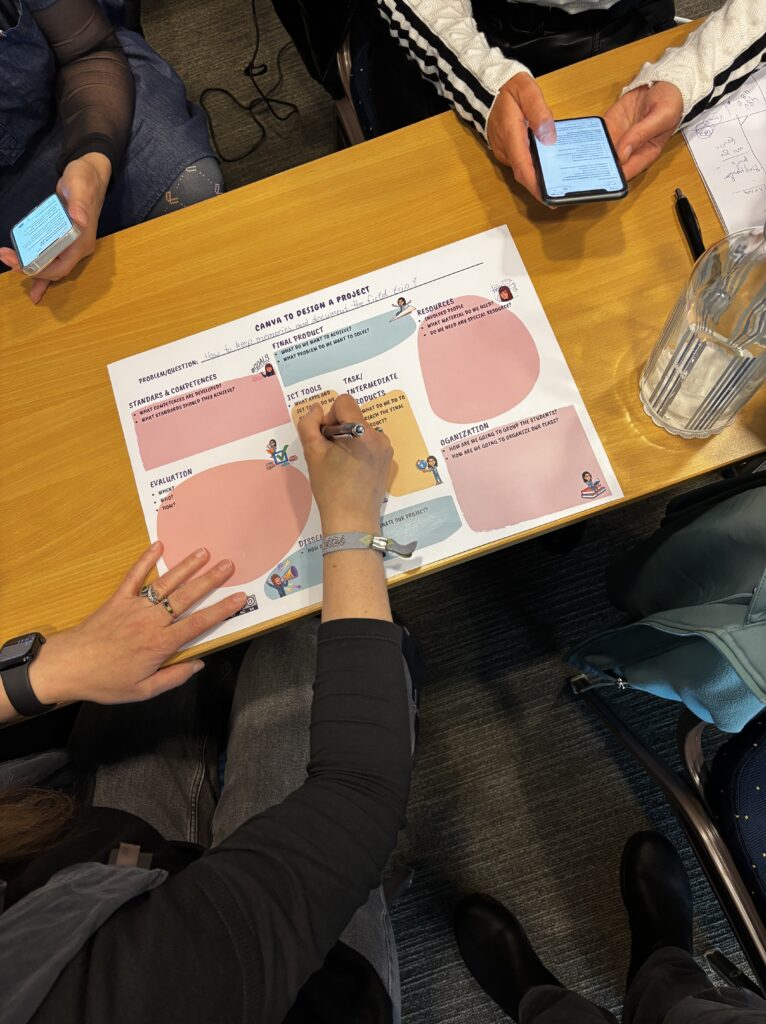
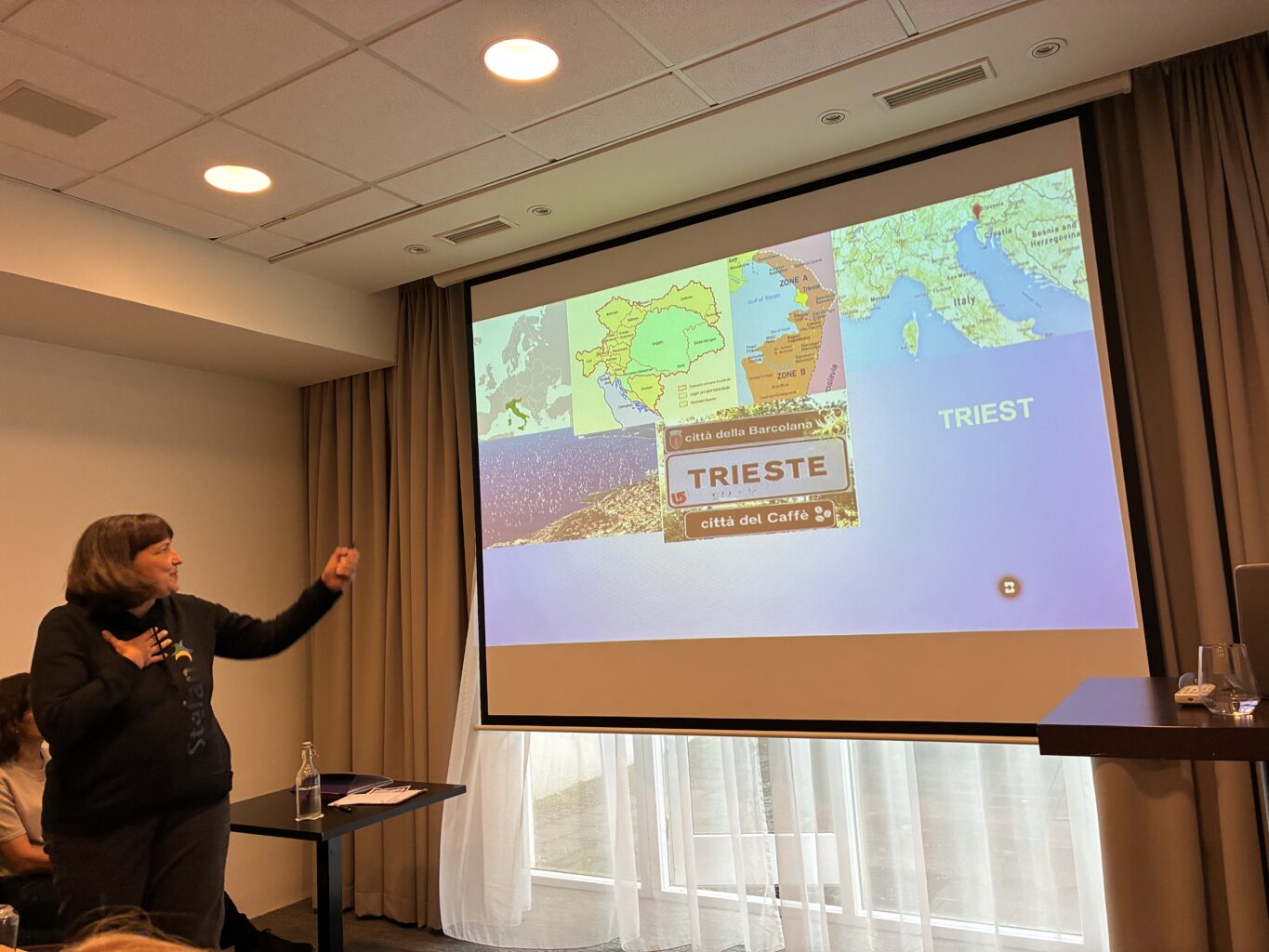
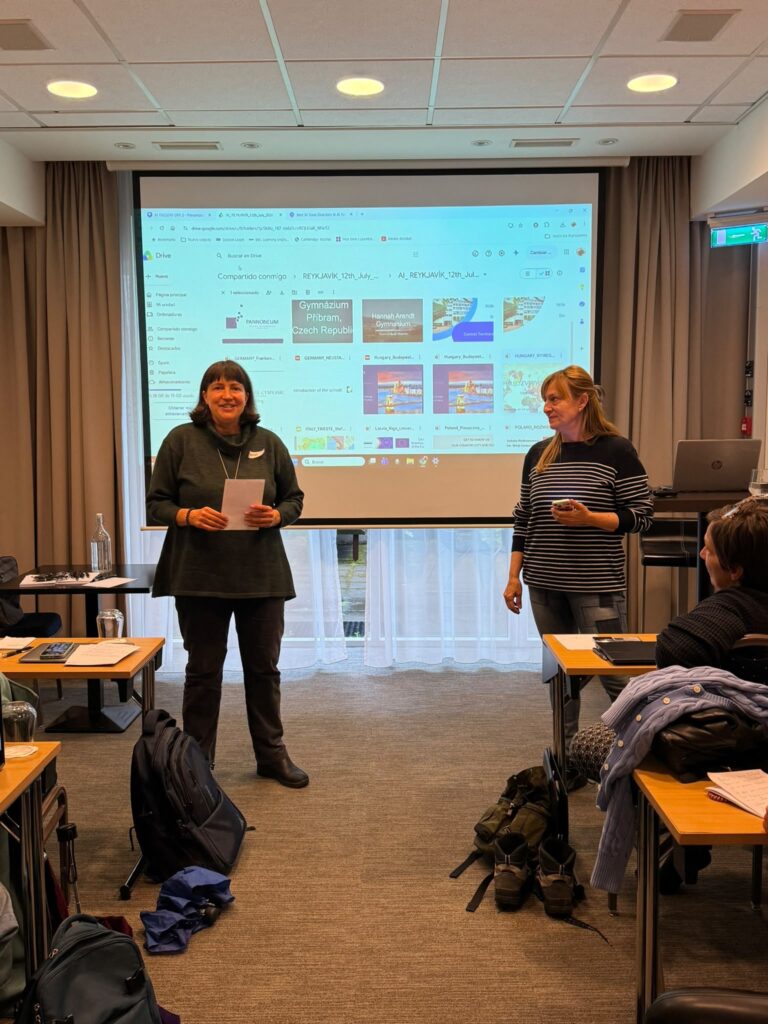
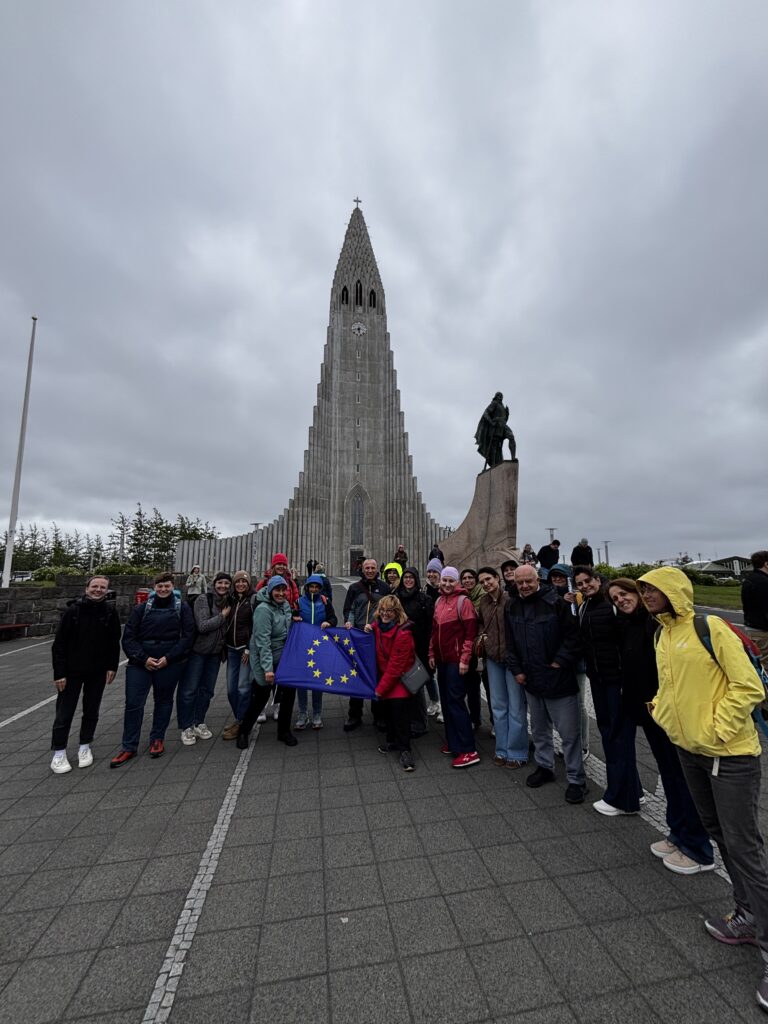
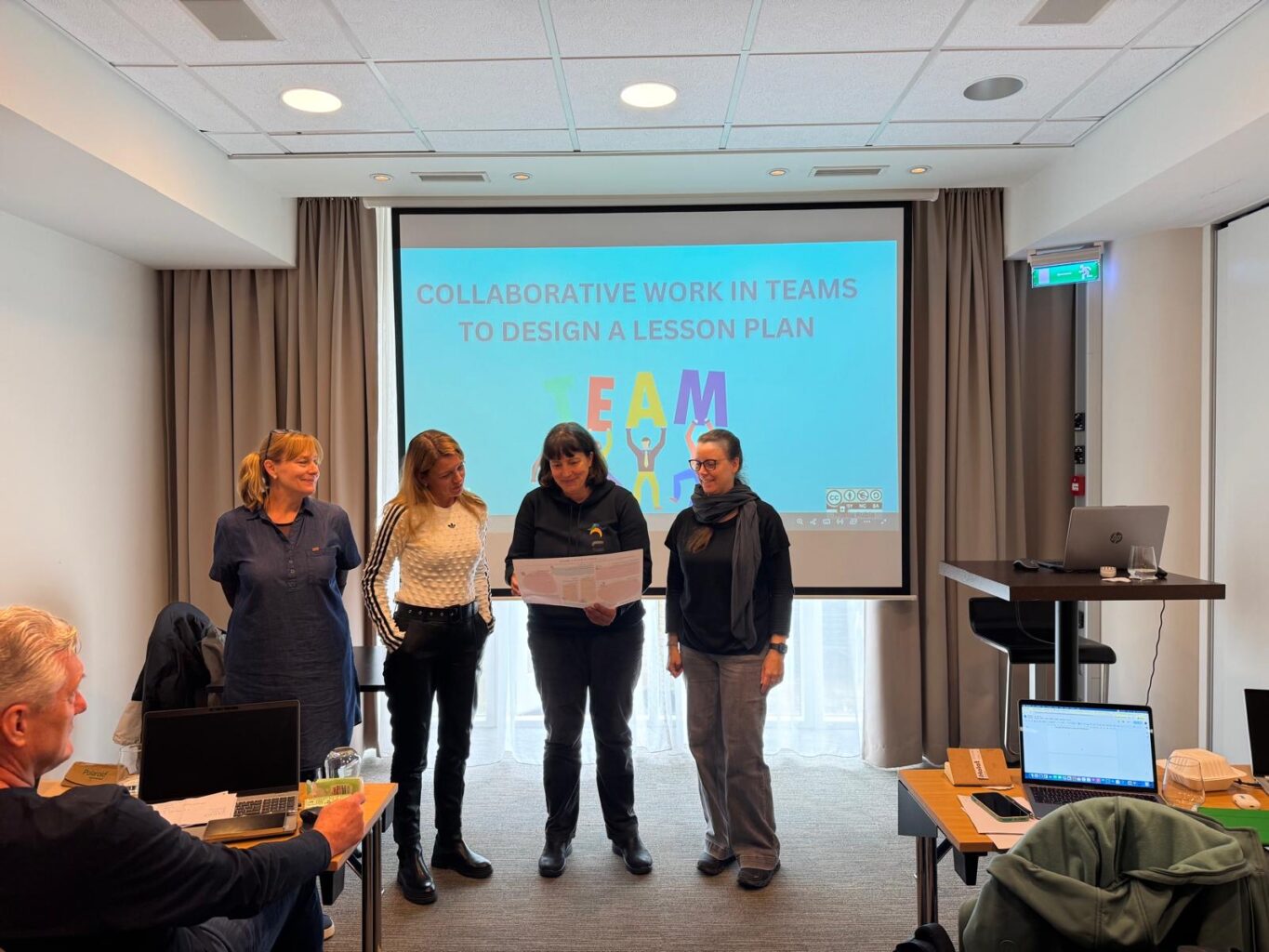
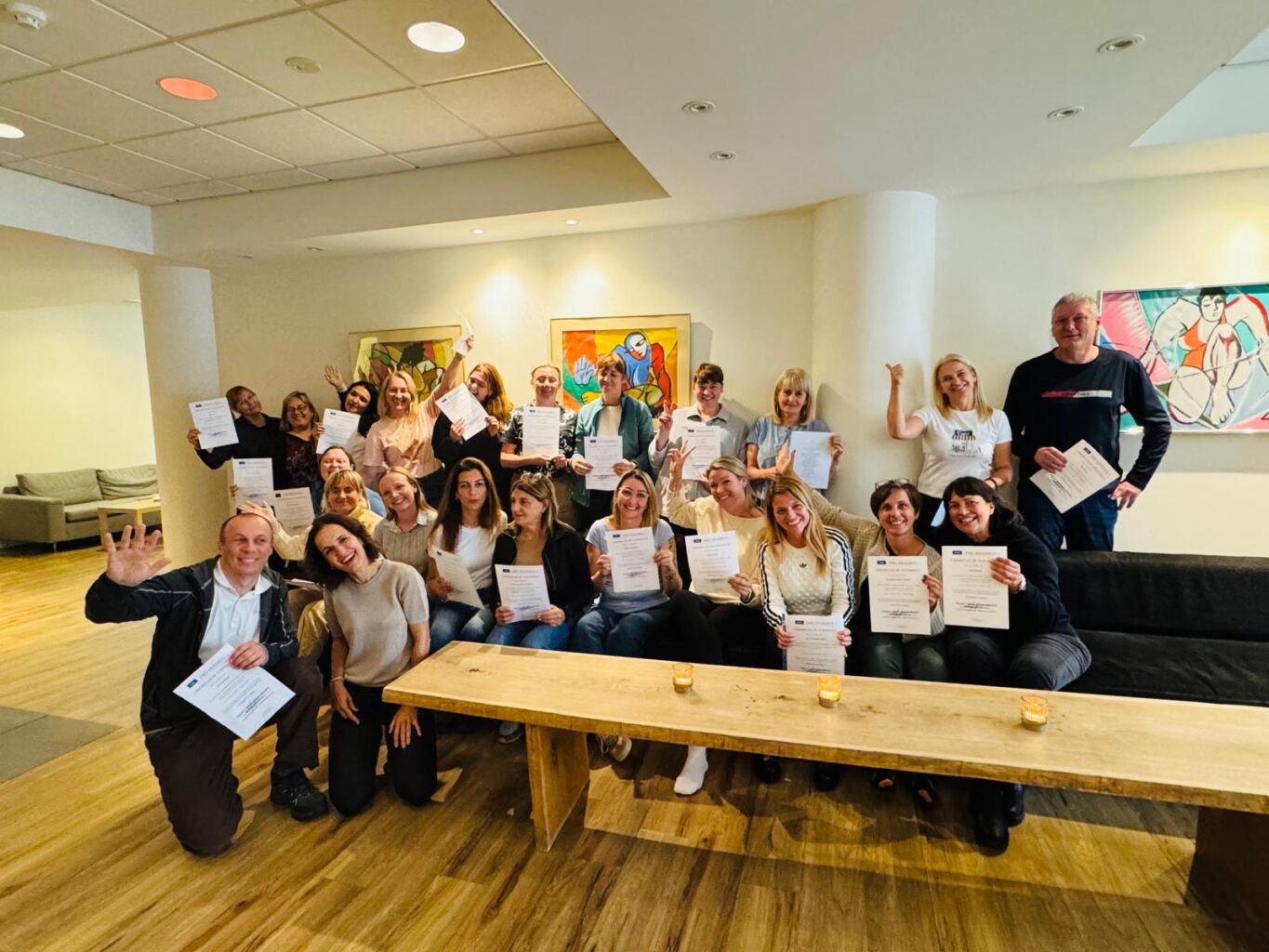
As part of the Erasmus+ Accreditation Programme, teacher Irena Milanič participated in the international course PMSE – AI in the Classroom: Empowering 21st Century Educators, held in Reykjavík from 12 to 17 July 2026. The course provided an excellent opportunity to explore the educational potential of artificial intelligence through hands-on workshops, innovative digital tools, and collaboration with educators from across Europe. In addition to strengthening her digital and pedagogical competences, she gained fresh ideas for creating more engaging, inclusive, and creative learning experiences while promoting the ethical and responsible use of AI in education. The knowledge and experience acquired will be shared with colleagues and integrated into everyday teaching practice, contributing to educational innovation, international cooperation, and the strengthening of the school’s European dimension.
JOB SHADOWING at the Grammar School and Secondary School for Chemistry and Pharmacy in Ruše (Slovenia)
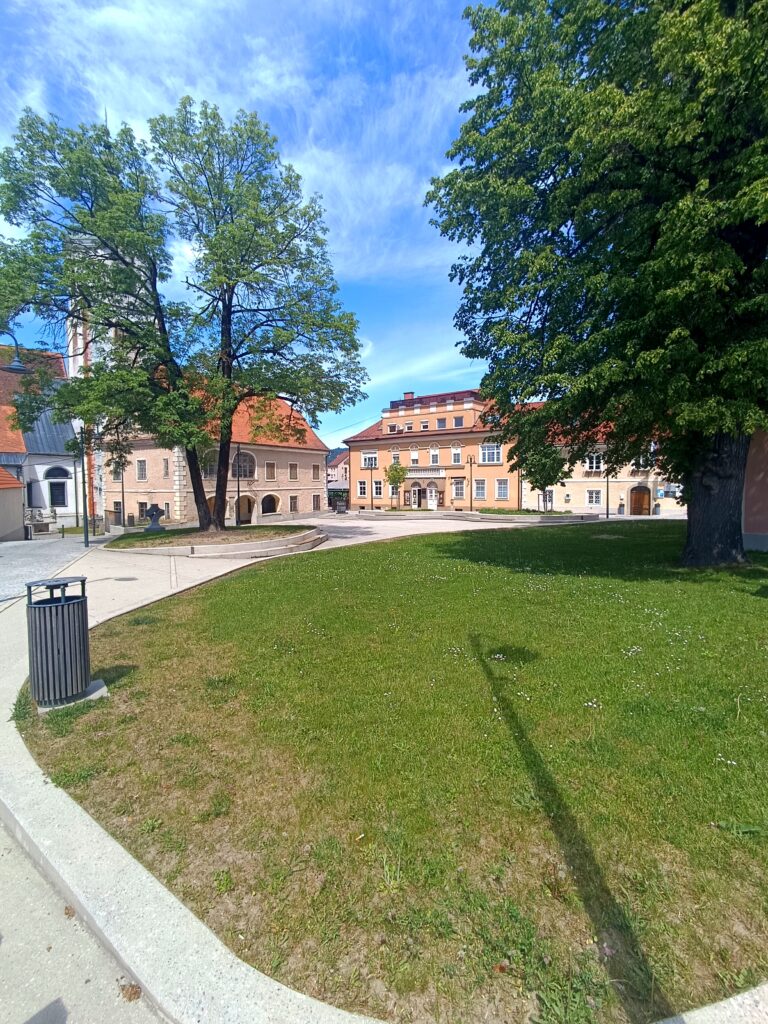
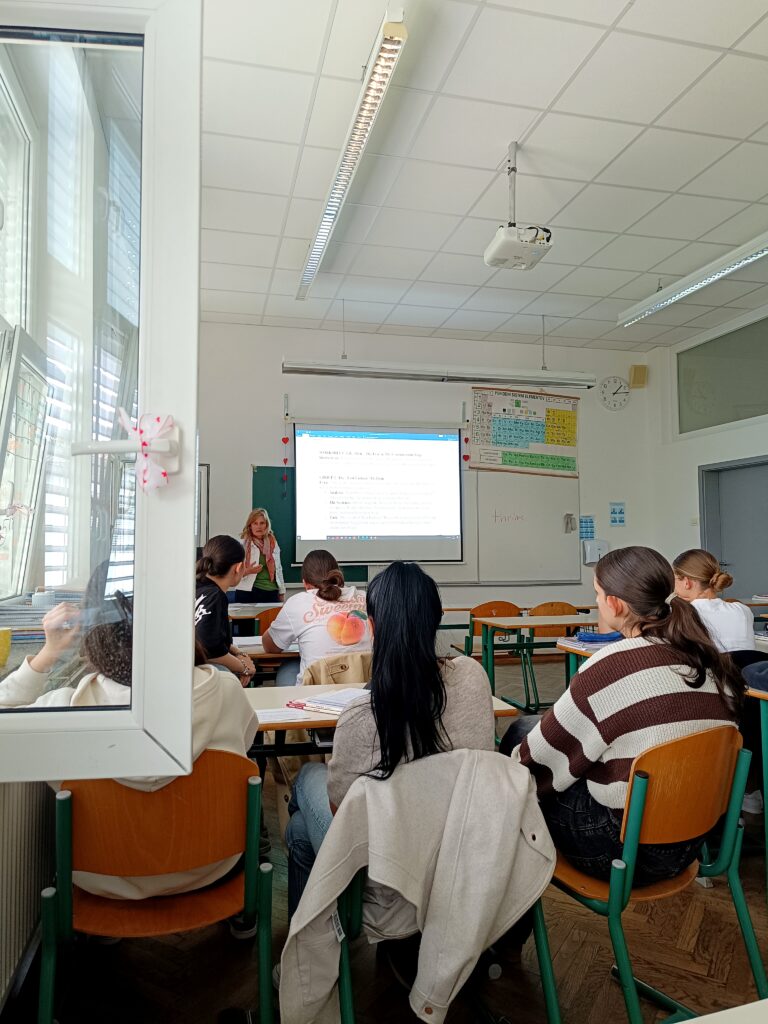
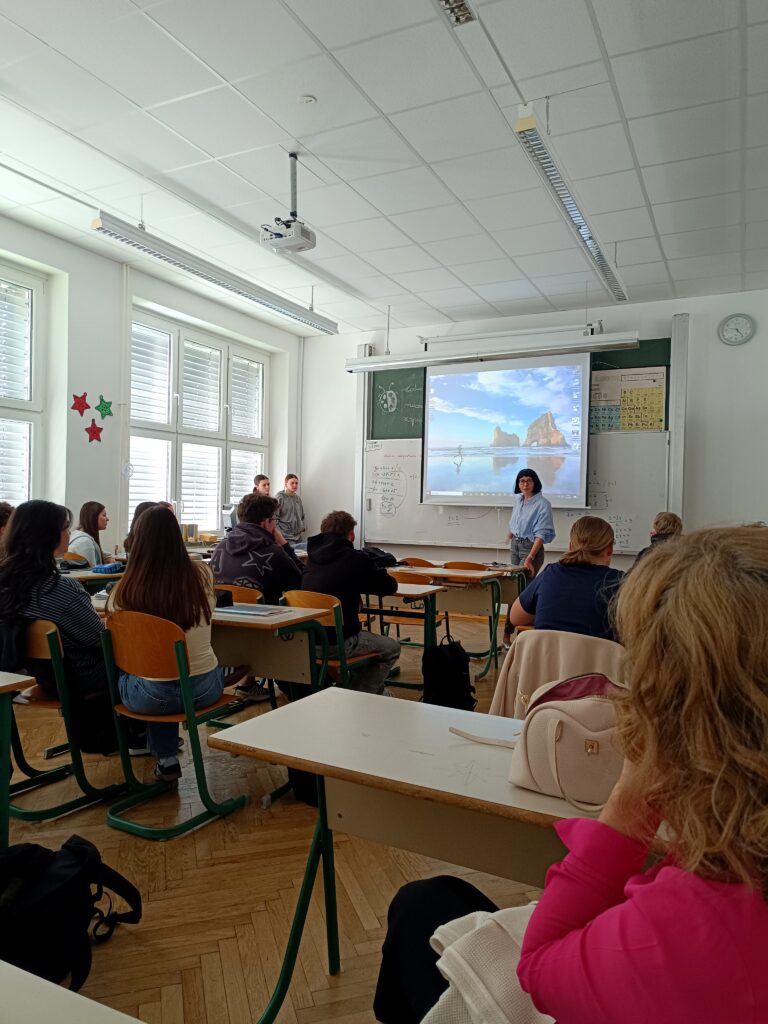
The job shadowing programme at Grammar School and Secondary School for Chemistry and Pharmacy in Ruše in the Slovenian region of Styria provided valuable insight into the functioning of the Slovenian secondary education system and various pedagogical approaches used in both general and vocational subjects. During the visit, the teachers from DIZ Jožef Stefan attended classes, participated in professional activities, and became acquainted with the school organisation, the student residence hall, and examples of good educational practices.
Tomaž Susič primarily observed English language classes in both grammar school and vocational programmes. He focused particularly on methods for developing students’ communicative competences, the use of modern teaching approaches, and the active involvement of students in the learning process.
Vilma Purič observed Slovenian language classes and activities related to the development of students’ linguistic and cultural awareness. She was especially interested in methods of literary interpretation and in encouraging students’ argumentative and critical expression. The presentation on the school’s dialect heritage was particularly valuable, as it highlighted the importance of preserving the Slovenian language and regional dialects.
Maja Smotlak also observed Slovenian language lessons in different year groups, focusing on ways of engaging students through discussion, group work, and creative text interpretation. In addition, she attended interdisciplinary activities and the presentation of the EPAS project, with particular interest in the development of critical thinking and active citizenship among students.
An important part of the experience also included activities outside the classroom. During the excursion to Austrian Carinthia, the teachers deepened their understanding of the shared cultural and historical space of the Slovenian people across borders. The visit to the city of Maribor cooperation between schools, the local environment, and the wider local community. The job shadowing experience therefore represented an important opportunity for professional development, the exchange of pedagogical experiences, and reflection on different teaching approaches within the Slovenian and cross-border educational context.
Job shadowing in Sweden
During the mobility, the teacher of natural sciences participated in a structured programme of observation, collaboration, and field-based learning alongside Swedish teachers and students. The teacher was introduced to the Swedish education system and observed classroom dynamics, teaching methodologies, and the strong emphasis on student participation and experiential learning. This initial phase allowed the teacher to develop a deeper awareness of the school environment, exchange ideas with colleagues, and contribute to a collaborative atmosphere for the subsequent activities.
On Day 2, the teacher carried out job shadowing in the biology laboratory, observing a practical activity on the transformation of Escherichia coli bacteria. The activity was performed using a transformation kit. The teacher observed laboratory experiments conducted by students and noted how practical work is integrated into the curriculum to promote scientific inquiry and student autonomy. This experience highlighted the importance of hands-on activities in strengthening students’ understanding of scientific concepts.
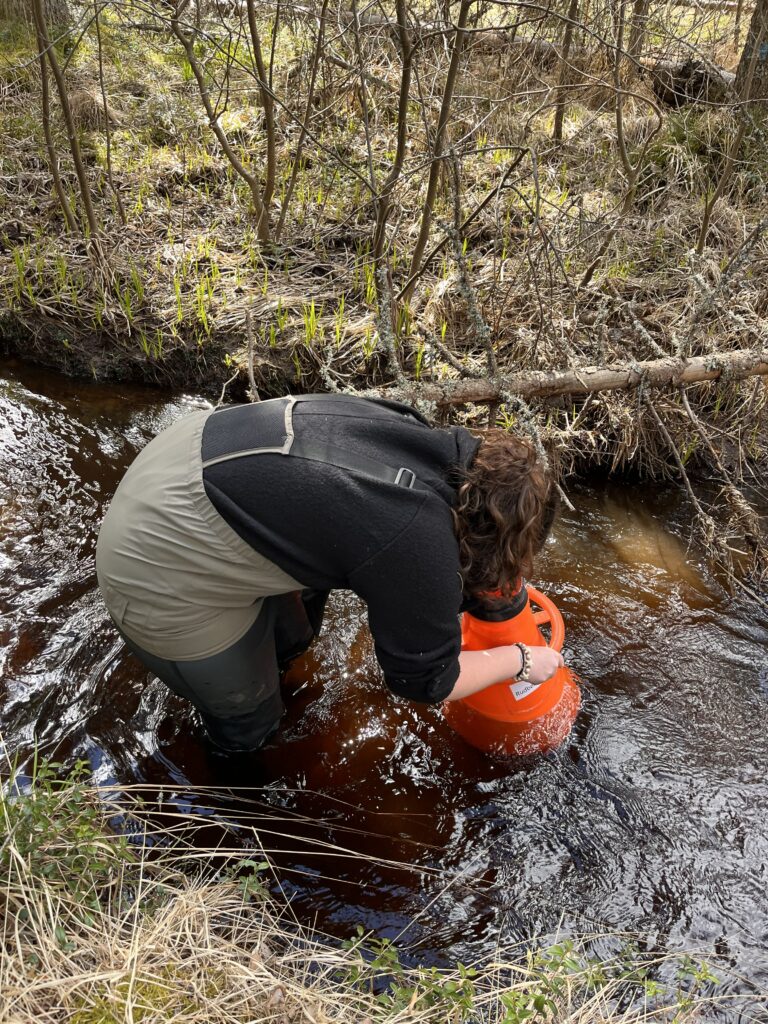
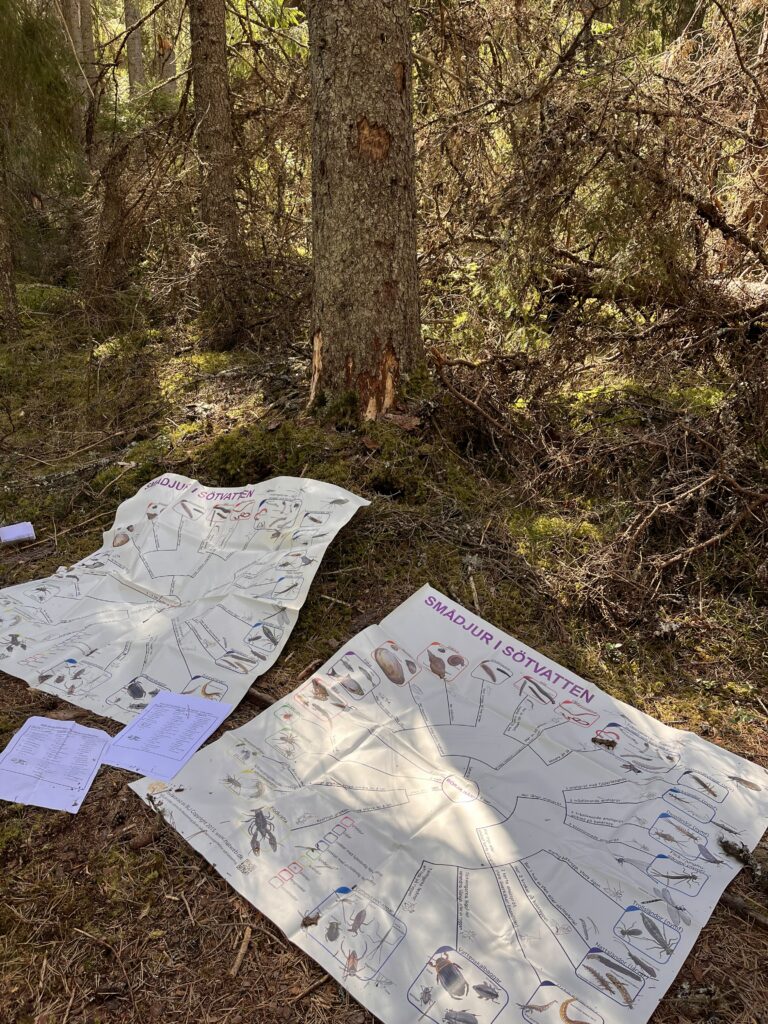
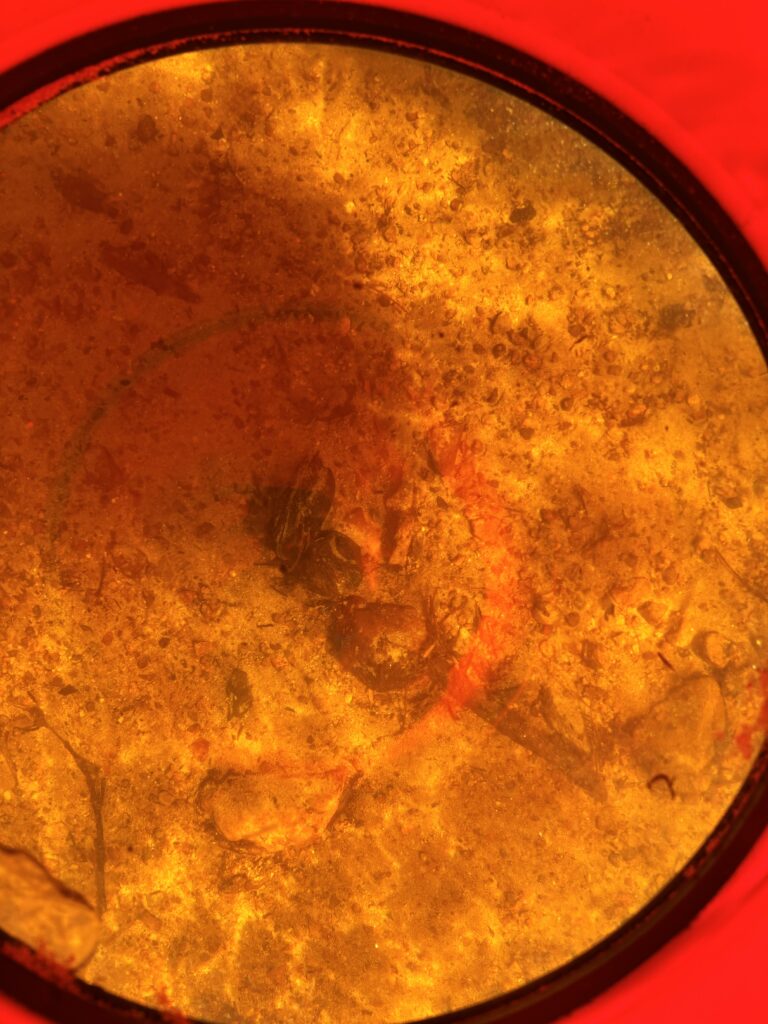
On Day 3, the teacher participated in outdoor fieldwork focused on the identification of biological indicator species used to assess water quality. Together with teachers and students, sampling activities were conducted in a freshwater environment. The teacher learned how species such as the freshwater pearl mussel serve as indicators of clean, well-oxygenated water and a healthy ecosystem. This activity demonstrated how environmental education can effectively connect classroom learning with real-world ecological investigation.
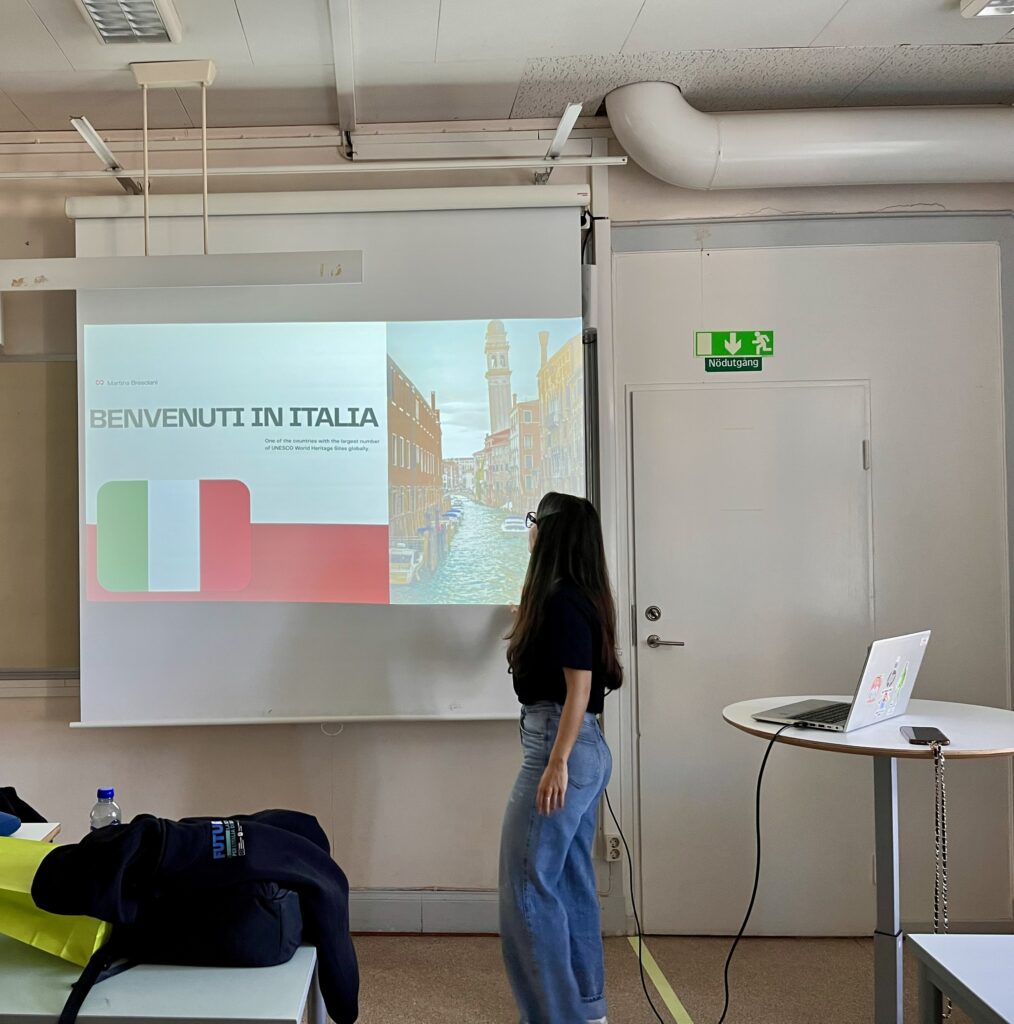
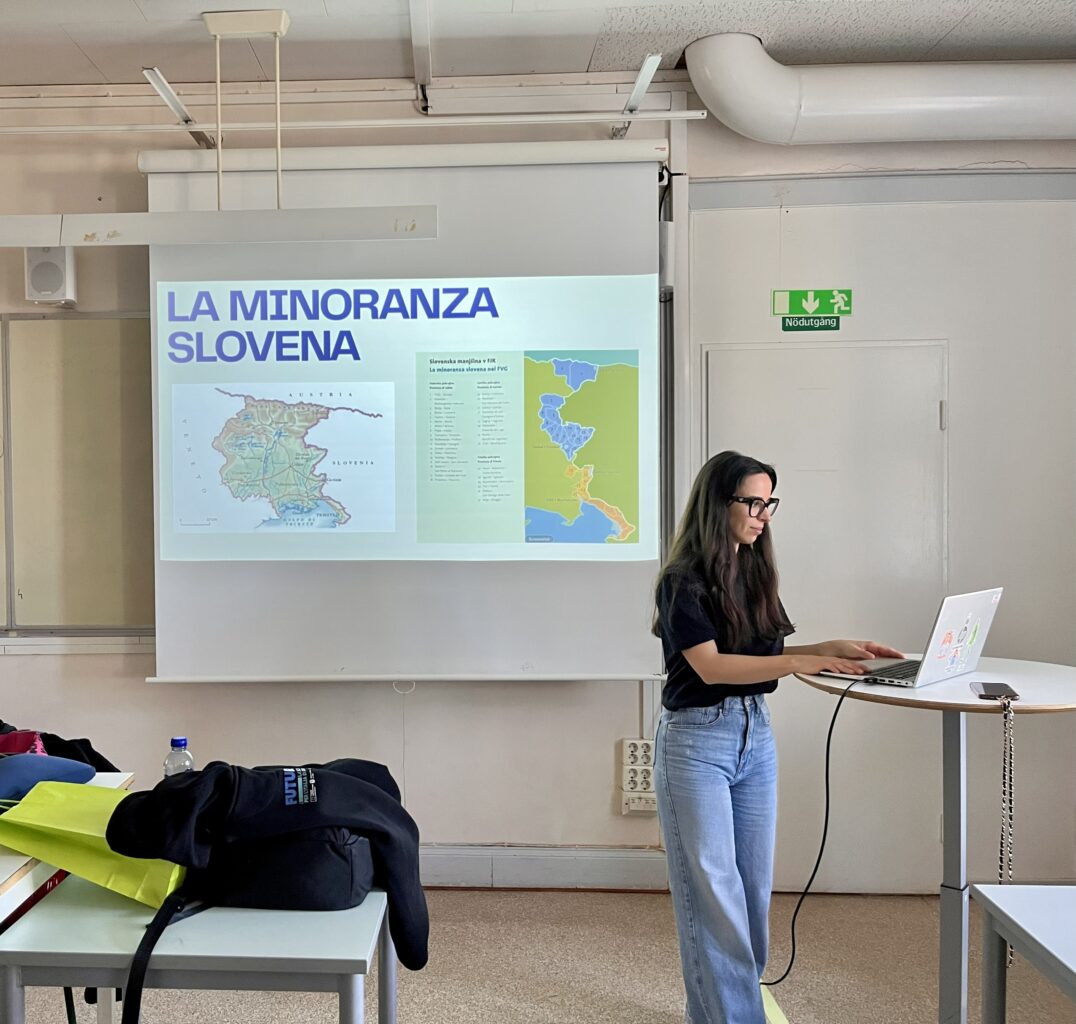
On the final day, the teacher engaged in job shadowing during Italian language classes, focusing on teaching strategies, student interaction, and the use of communicative approaches to support language acquisition. The comparison with their own teaching practice provided valuable insights into innovative methods for engaging students in interdisciplinary and student-centred learning.